Let's be real about the gap
Years apart from a partner changes everything. Whether it was work, caregiving, illness, or just the slow drift that happens when life gets loud, the physical connection often becomes the thing you talk about least and miss most. When you finally have the space to reconnect, many couples find themselves stuck. The desire is there. The emotional commitment is there. But the actual mechanics of physical intimacy feel rusty, awkward, or somehow wrong.
Here's what nobody tells you: that gap doesn't go away by ignoring it. It goes away by being intentional about rebuilding it together, and sometimes that means using tools that make the transition easier.
Why reconnecting physically is harder than you think
Your body remembers less than you'd expect. If you haven't had partnered sex in months or years, arousal doesn't work the same way it used to. You might feel disconnected from your own pleasure. Your partner might have developed performance anxiety. You both might be carrying shame about the gap itself, which creates a feedback loop: you feel awkward, so you avoid touch, so you feel more disconnected.
The research on long-term couples who've had extended breaks from sex is clear. The couples who reconnect successfully aren't the ones who ignore the gap and expect desire to magically return. They're the ones who treat it like a skill that needs relearning. Which sounds clinical until you realize what that actually means: patience, exploration, and removing pressure from the outcome.
Building back trust in your body together
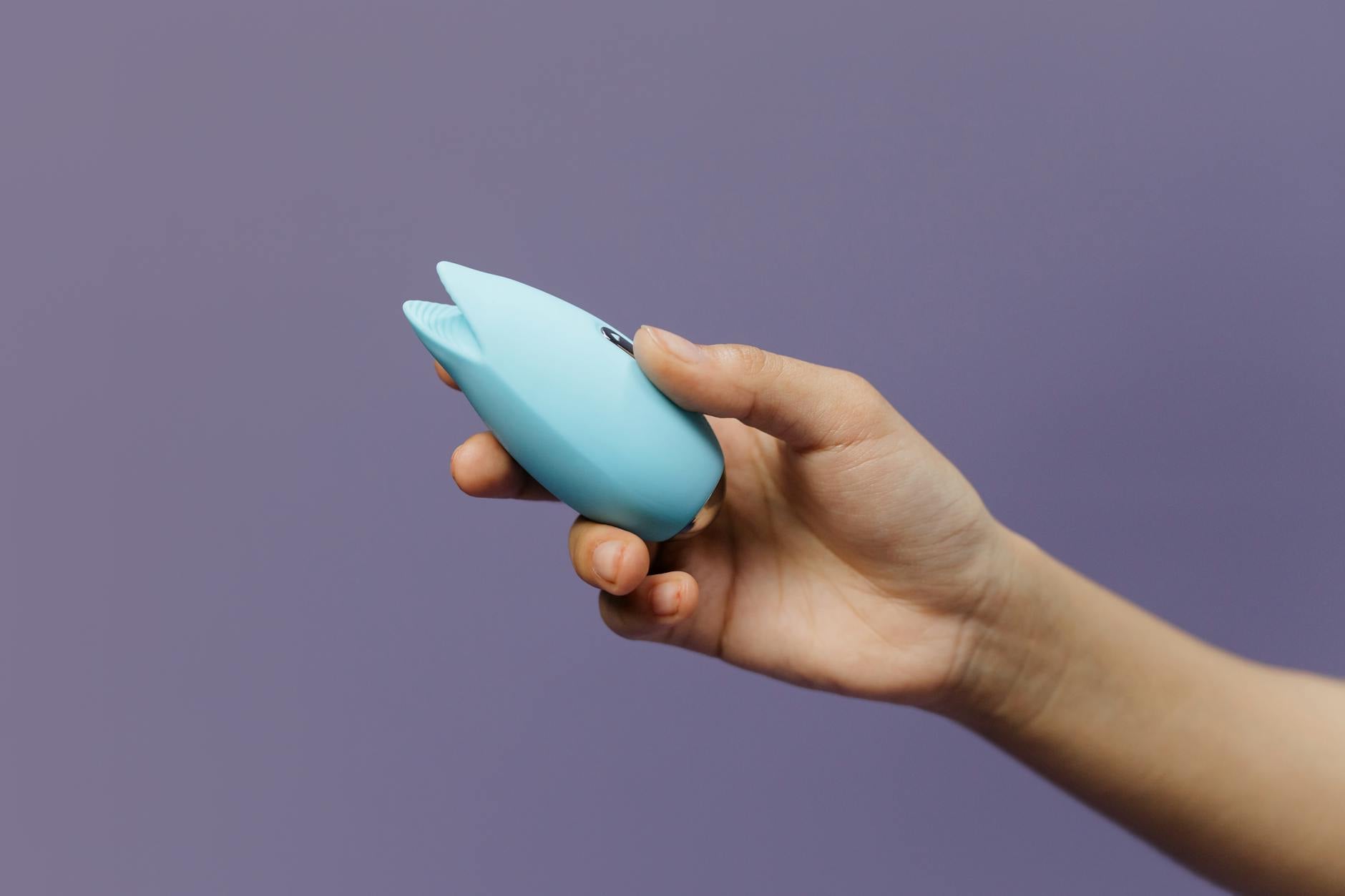
Physical reconnection after years apart needs scaffolding. You need a way to touch that doesn't carry the weight of "this has to lead to sex." This is where introducing a device like a lemon clitoral vibrator changes the dynamic entirely.
When you and your partner use a vibrator together, you're introducing a third thing that requires communication. You have to talk about what intensity feels good. You have to ask permission. You have to check in. This sounds robotic, but couples tell me it's actually the opposite. The vibrator becomes a permission slip to talk about pleasure out loud, which is something many long-separated couples haven't done in years.
Start small. One of you holds the vibrator. The other guides it. There's no performance pressure because you're both focused on sensation, not on fitting into old patterns. This is also where lemon vibrators specifically help. The suction-based stimulation feels different from traditional vibration. It's gentler, more targeted. For partners reconnecting after time apart, that gentleness matters. It signals that this is exploration, not a return to the old rhythm.
The communication piece that couples skip
Most couples don't talk about what they actually want before they try to have sex again after a long gap. They assume old patterns will just resume. Then nothing works quite right, and both people blame themselves or each other.
Before you use any device together, have one conversation. Not a heavy one. Something like: "I want us to reconnect physically, and I know it might feel weird at first. What would make that easier for you?" Listen to the answer. You might hear: "I'm nervous about pressure." "I don't know if I'll feel anything." "I'm worried I'll disappoint you." These aren't problems to solve. They're things to know.
When you introduce a lemon vibrator into that space, you're saying: "We're doing this together, and we're prioritizing what actually feels good over what we think should happen." That reframe alone changes the experience for most couples.
How to actually use a lemon vibrator when reconnecting
Start with external stimulation only. No penetration, no pressure to build toward anything. One partner uses the vibrator on the other, starting at the lowest setting. The receiving partner focuses entirely on sensation. This takes the performance pressure off both of you.
If you're the one using the vibrator, pay attention to what patterns get a response. You're learning your partner's body again. This might be different than it was years ago. That's not bad. It's just information.
Switch roles. The person who received gets to use the vibrator on their partner. This reinforces that pleasure isn't one-directional. Both of you matter. Both of you deserve attention.
If you want to move toward partnered sex eventually, you can. But don't rush it. Many couples find that regular use of a lemon vibrator together becomes its own thing. It's intimate, it builds physical connection, and it removes the pressure that often derails reconnection attempts.
The emotional work that has to happen alongside the physical work
Years apart usually means something else happened. Maybe resentment built up. Maybe one person felt abandoned. Maybe you both just got tired. The physical gap is real, but it's often a symptom of an emotional one.
You can't vibrator your way out of unresolved anger or hurt. What you can do is use the physical reconnection process as a way to practice trust again. When you're vulnerable with your partner, even in something as small as guiding them toward a sensation that feels good, you're practicing saying "I trust you with my pleasure." Over time, that practice builds into deeper trust.
If the emotional gap is really large, consider working with a couples therapist alongside this physical reconnection. Rebuilding sexual confidence after relationship disconnect often requires both tools. The therapist gives you language for the emotional part. The physical exploration gives you evidence that your body still works, that pleasure is still possible.
What to expect the first few times
It might feel awkward. You might laugh. You might feel nothing for the first session or two. All of that is completely normal and not a sign that reconnection won't work.
Some couples report that the first time they use a lemon vibrator together, they feel nervous. That's arousal mixed with vulnerability. Other couples say it feels surprisingly familiar, like their bodies remember something their brains had forgotten. Neither experience means anything except that you're two people trying something new together.
Budget time. Don't try to reconnect when you're stressed, tired, or rushing toward something else. Physical reconnection after years apart needs space. Set aside 30 minutes to an hour when you're not going to be interrupted.
Timing matters more than you'd think
Don't attempt reconnection when you're both exhausted, right after an argument, or when one person has clearly checked out. Reconnection requires both people to be reasonably present. If that's hard to find in your schedule, that's worth acknowledging. It might mean that the gap isn't just about physical distance. It might be about time, energy, or competing priorities.
Once you identify the timing issue, you can actually solve it. Maybe you block off one weekend night per month. Maybe you hire a babysitter specifically to have adult time. Maybe you start smaller with 15-minute check-ins where you touch each other without any goal.
When couples finally give themselves permission to prioritize this, the reconnection often happens faster than they expected. Your body wants to reconnect if you give it the conditions to do so.
FAQ: Common questions about reconnecting after years apart
What if one partner wants to reconnect and the other doesn't?
This is common and important to name. If one person has withdrawn, it's usually because something hurt. Before you introduce any tools or techniques, you need to understand why. Have a conversation without the goal of sex. Ask: "What would need to happen for you to feel close to me again?" Listen without trying to fix it immediately. Sometimes the answer is "I need you to take more responsibility at home," and sex can resume once that happens. Sometimes it's "I'm still angry," and that needs time and attention. The vibrator is a tool for couples who both want to reconnect but don't know how. It's not a tool for couples where one person has genuinely lost interest or trust.
Is it weird to use a vibrator together if we've never talked about pleasure before?
Actually, it's less weird than you'd think. Many couples find that introducing a lemon vibrator together creates permission to talk about pleasure for the first time. The vibrator becomes a conversation starter. You're not talking about yourself. You're talking about the device and what it's doing. That creates space to say things like "That actually feels really good" or "Can we try a different pattern?" These conversations build over time and become easier.
What if the vibrator feels too intense after so much time apart?
Start at the lowest setting. The Lemon clitoral vibrator has multiple intensity levels for exactly this reason. Low intensity allows you to stay with sensation without it overwhelming you. As you reconnect, your sensitivity might change. You might want more intensity, or you might prefer staying gentle. Both are fine. The point is to listen to what your body is telling you.
How long does it usually take to reconnect after years apart?
There's no timeline. Some couples feel reconnected after a few sessions. Others take months. What matters is that you're both trying and communicating. If you've been trying consistently for three months with no shift, that might be a signal that something deeper needs attention, possibly with a therapist.
Is it okay if reconnection doesn't lead back to regular partnered sex?
Completely okay. Some couples reconnect and find they want to prioritize solo pleasure or partnered exploration that doesn't include penetration. Other couples reconnect and realize they want a different kind of relationship. The point of reconnection isn't to return to some previous state. It's to rebuild physical intimacy in whatever form actually works for you now.
What if I feel shame about the gap?
Shame usually means you're taking full responsibility for something that was likely a two-person situation. Life happens. People get busy, tired, or hurt. The gap often isn't anyone's fault. It's just what happened. Reconnection is an opportunity to let that go and focus on what's possible now.
The bottom line
Years apart doesn't mean you can't come back together. It just means you need to do it intentionally. Using a tool like a lemon clitoral vibrator isn't about fixing your relationship. It's about creating a space where both of you can explore pleasure again, together, without the weight of old patterns or expectations.
Your body remembers connection. Sometimes it just needs permission and the right conditions to show you.