
Desire doesn't follow a timeline
Let's be real: one day you're numb, the next your body's asking for something that feels impossible. Maybe it's been weeks or months since loss. Maybe it's been years. And now, out of nowhere, there's heat where there was only cold.
Your first thought is probably guilt. That's not a flaw. That's actually the right instinct misfiring.
Why guilt shows up first
Grief rewires your nervous system. Your body learns that vulnerability equals pain. So when desire returns, your brain interprets it as a betrayal. A betrayal of the person you lost, of the sadness they deserve, of your commitment to suffering as proof of love.
None of that is true, but it feels true in your body.
Here's what I tell clients: desire returning is not disloyalty. It's integration. It means your nervous system is learning that you can feel multiple things at once. You can honor loss AND want pleasure. You can miss someone AND want to feel alive.
These aren't opposites. They're both true.
The physiology of coming back online
When you're in acute grief, your nervous system is flooded with cortisol and adrenaline. Your body is in survival mode. Blood redirects away from your genitals and toward your major muscle groups. Arousal becomes physically difficult because your system doesn't believe it's safe to soften.
As grief shifts from acute to integrated, that changes. Your nervous system gradually learns that you're not in danger. Cortisol levels drop. Blood flow can return to the places it's been diverted from.
What people often don't expect: desire can return before you feel emotionally ready. Your body might be saying yes while your mind is still saying this is wrong. That dissonance is brutal.
But it's also the moment where tools matter.
Starting again with the right device
After loss, your body needs gentleness more than ever. That's where the design of a lemon clitoral vibrator becomes important. Unlike traditional wand vibrators that require direct pressure, lemon-style air-suction toys create stimulation without the intensity of friction.
Why that matters for grief-recovery pleasure: air-suction technology allows you to control intensity more gradually. You're not choosing between 0% and 100%. You can start at pattern 1 or 2 and work your way up as your nervous system remembers what arousal feels like.
The Lemon Clitoral Vibrator specifically works well for this because the design is intuitive. There's no steep learning curve. Your attention can stay on reconnecting with your body instead of troubleshooting your toy.
Permission structures you'll need
Three mental shifts make the difference:
1. Separating pleasure from betrayal. If your loss was a partner, pleasure with yourself might feel like you're replacing them. You're not. Self-pleasure is about your body's health, not about dishonoring their memory. Many cultures actually honor the dead by living fully. That includes this.
2. Naming the timeline as yours, not theirs. Someone might tell you it's "too soon." That's their comfort with your grief, not a measure of your readiness. Your body knows when it's ready. Listen to your body.
3. Accepting pleasure as evidence of healing, not forgetting. Wanting to feel good doesn't mean you're "moving on" or forgetting. It means you're living. Those are different things entirely.
How to start physically
If you're partner-based after loss, solo exploration first is usually easier. You don't have to perform. You don't have to explain. You just get to feel.
Pick a time when you're alone and not rushed. Grief exhaustion is real, so morning might be better than night. Your nervous system will have energy to focus.
Start with touch only. Hand on your chest, noticing your heartbeat. Hand on your inner thigh, noticing warmth. No device yet. Just permission for your body to remember what gentle touch feels like.
Then, when you're ready, introduce the lemon clitoral vibrator at the lowest setting. The point isn't to chase an orgasm. The point is sensation. You're teaching your nervous system that pleasure is safe again.
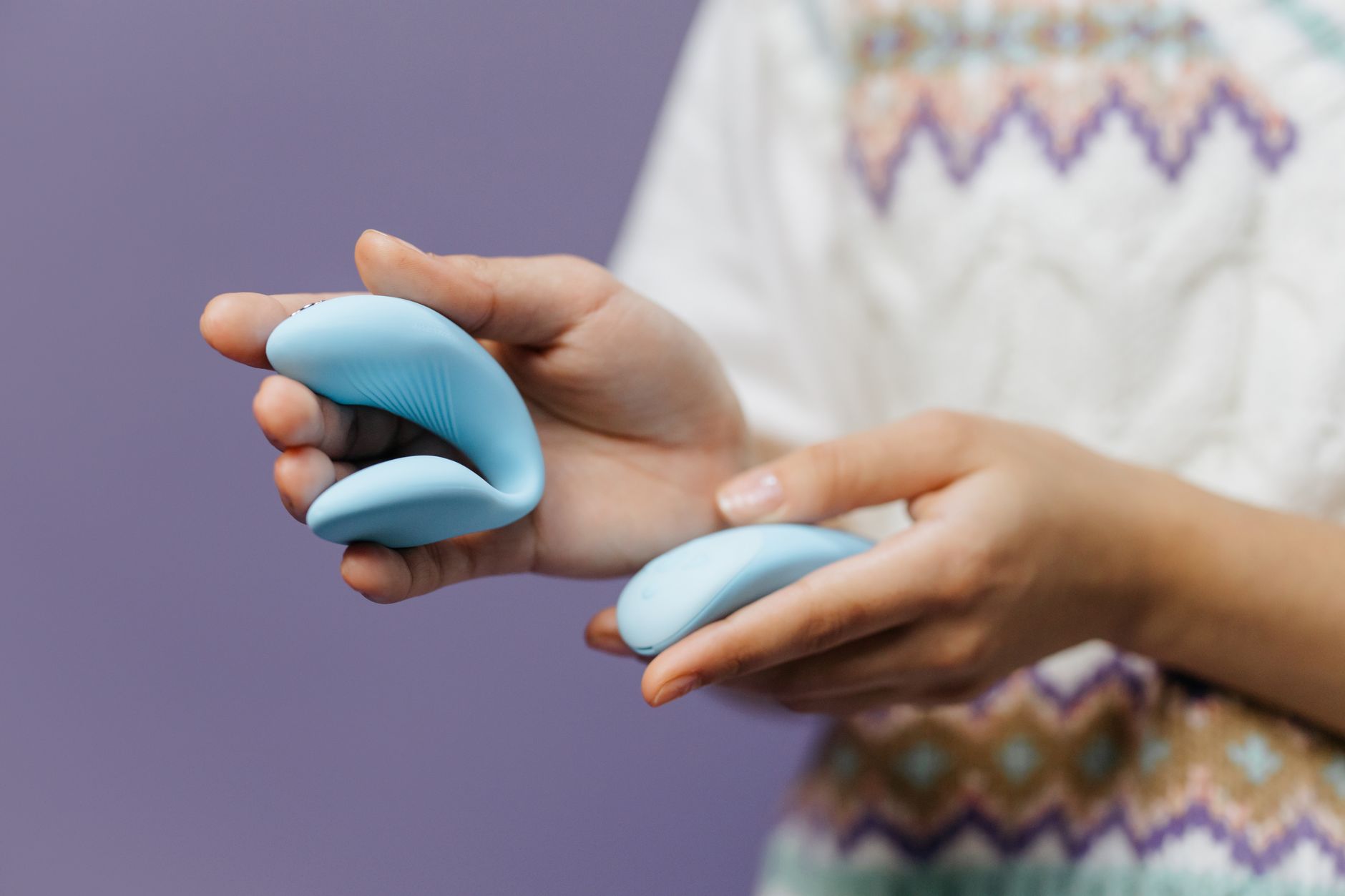
Photo by cottonbro studio on Pexels
Orgasm might look different
After significant loss, the first orgasms back often feel different. Some people say softer. Some say more emotional. Some say they cry mid-climax. All of that is normal.
You might also find that your body needs longer to build arousal than it did before loss. That's your nervous system being cautious. It's not broken. It's learning trust again.
The lemon vibrators are good for this because you can stay in the lower intensity ranges longer without pressure to escalate. You're not fighting the device. You're working with your actual pace.
Bringing a partner back in
If you're returning to pleasure with someone after their loss or yours, the conversation matters more than the device.
Start by naming what's actually happening. "My body's asking for connection again, and I'm scared that's wrong." That honesty opens the door. Your partner probably needs permission too.
When you do explore together, consider using the lemon clitoral vibrator in a way that feels less like "performance" and more like play. Maybe your partner holds it while you guide the speed. Maybe they watch you explore yourself. The point is breaking the pattern where pleasure has to look like it did before.
When guilt is actually something else
Sometimes what feels like guilt is actually: anger at yourself for surviving when they didn't. Confusion about whether you deserve pleasure. Fear that feeling good means the loss is over, when you're not ready for it to be over.
Those are different conversations than guilt, and they might need more support than a device can offer. A grief counselor or therapist who specializes in complicated loss can help untangle those.
But desire returning? That's not a sign you need help. That's a sign your body is healing.
The rhythm of rebuilding
This isn't linear. You might have weeks of interest, then weeks of numbness again. Your nervous system is learning. Some days you'll use the lemon vibrator with ease. Some days touching yourself will feel too vulnerable. Both are okay.
The win isn't consistent pleasure. The win is giving yourself permission to explore it when your body asks, without the weight of guilt.
FAQ
Is it normal to feel pleasure returning before grief feels resolved?
Completely. Your nervous system doesn't wait for your emotions to get their act together. Grief isn't stages. It's waves. Pleasure can exist in the same space as deep sadness.
What if my partner thinks I'm ready before I am, or vice versa?
That's a conversation, not a sign someone's wrong. Sometimes one person's nervous system heals faster. That's biology, not betrayal. You might need some time apart sexually while still being close emotionally. Many couples find that works.
Can using a lemon clitoral vibrator after loss feel too clinical or disconnected?
It can, especially if you're using it as an escape instead of reconnection. The difference is intention. If you're checking pleasure off a list, that's escape. If you're slowly teaching your body that softness and sensation are safe again, that's healing.
How do I know if the guilt is telling me something real versus trauma talking?
Real guilt usually comes with specificity. "I promised I'd never find pleasure with anyone else" is specific. "I just feel wrong" is usually trauma. A therapist can help you tell the difference.
What if I have no desire yet and everyone says I should?
Then you're right on schedule. Loss doesn't have a timeline. Your body will ask for pleasure when your nervous system believes it's safe. Forcing it before then doesn't help. Waiting patiently does.
Should I throw out toys my partner and I used together, or can I use them again?
That's entirely personal. Some people need to move on from old devices. Some find it grounding to use the same ones and let them mean something new. There's no rule here. What matters is what helps you, not what sounds "right."