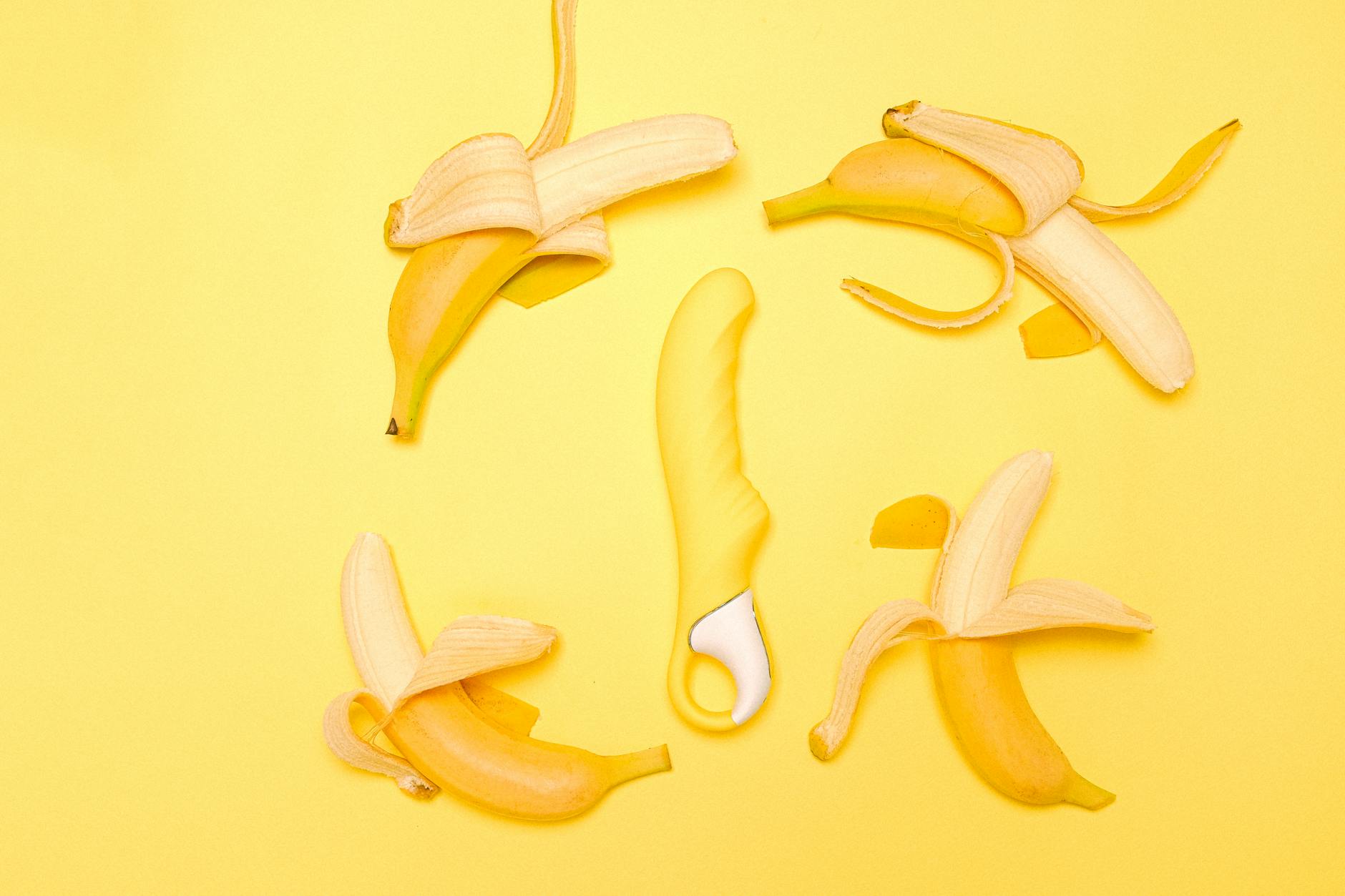
Here's what nobody tells you about your cycle and orgasms
Your pleasure doesn't work the same every day. That's not a sign something's wrong. It's how your body is actually designed to work. But because most sex advice treats your body like a static machine, you end up wondering if you're broken when really you're just responding exactly as expected to fluctuating hormones.
I work with clients who have spent years thinking they were "difficult to orgasm with" or "not into sex" when the real issue was that they were trying the same technique on day 7 of their cycle as they were on day 21. Completely different neurochemistry. Completely different nervous system state. Same vibrator approach. That's why it felt off.
The good news: understanding where you are in your cycle and adjusting how you use a lemon clitoral vibrator makes pleasure dramatically more reliable and often more intense.
The follicular phase: faster arousal, lower threshold
Days 1-14 of your cycle (rough estimates, because everyone's different). Estrogen is climbing. Dopamine is rising. Your sensitivity increases, your arousal builds faster, and your nervous system is in a more receptive state overall.
This is when a lot of people report that they can come quickly and easily. Their tissues feel more naturally lubricated. External stimulation alone often gets the job done. If you use lemon sexual toys during this phase, you might notice that lower intensity settings feel satisfying. Some people jump straight to patterns 4-5 on a device like the Lem and feel immediate engagement.
The mistake most people make: they think this is their baseline. Then they hit ovulation or the luteal phase and assume they've lost something.
What you're actually doing in the follicular phase is operating with optimal neurochemistry for quick arousal. Your brain's reward centers are more responsive. Stimulation registers faster and feels more immediately pleasurable. It's not that you're "easy" during this window. It's that your physiology is aligned with fast-building arousal.
Ovulation: peak sensitivity and the fastest orgasms
There's usually a 12-24 hour window around ovulation when everything amplifies. Testosterone spikes (yes, people with ovaries have testosterone, and it's responsible for a significant chunk of desire). Estrogen stays high. Blood flow to your genitals increases. Sensitivity reaches its peak.
This is when people often report their strongest orgasms, their quickest arousal, and sometimes overwhelming sensation. Some folks find they need to start at pattern 1 or 2 on a lemon clitoral vibrator during ovulation because anything higher feels too intense too fast.
That intensity isn't a problem to solve. It's information. If you're someone who typically uses patterns 3-4 during your follicular phase, ovulation might be your 1-2 window. You can get to orgasm faster. The sensation feels sharper, more concentrated. Some people absolutely love this. Others find it almost too much and prefer to go a bit slower, letting the intensity build rather than starting at peak sensation.
If you're partnered and you notice this shift, it's worth naming it explicitly. "I feel different this week, and I might need to start slower" takes the guesswork out of whether your partner did something differently or whether your body just changed.
The luteal phase: slower burn, deeper engagement
After ovulation (roughly days 15-28, again, individual variation matters). Progesterone rises. Estrogen dips. Your nervous system becomes more introverted. You need more time to warm up. You might feel less naturally lubricated. Your body asks for slower buildup and often deeper, more sustained stimulation.
This is when a lot of people feel disconnected from sex, think they've "lost their groove," or worry they're not attracted to their partner anymore. What's actually happening is that your neurochemistry is asking for a different approach.
With a lemon clitoral vibrator during the luteal phase, I usually recommend:
- Longer warm-up. Budget 15-25 minutes instead of 5-10. Your brain needs time to transition into arousal.
- Start lower. Begin at pattern 1 or 2 and let sensation build gradually.
- Lean into sustained pressure. The suction action of a clitoral vibrator like the Lem actually works beautifully during this phase because it doesn't rely on friction. You can rest into it longer without overheating or numbing sensation.
- More lube. Water-based lubricant helps regardless, but the luteal phase often benefits from a bit extra.
Much of what people interpret as "low desire" during the luteal phase is actually just "desire that requires more time to activate." The capacity for pleasure hasn't gone anywhere. The pathway just takes longer to light up.
Menstruation: sensitivity varies, comfort matters more
During your period, some people feel intensely sexual. Others feel completely uninterested. Both are normal. Hormones are dropping, then rising again. Pelvic blood flow is naturally increased (which can intensify sensation for some), and endorphins from orgasm can ease cramps.
For people who do want to use a lemon vibrator during menstruation, comfort shifts from pleasure to first priority. You might be bloated. You might feel tender. Internal organs are more inflamed. External stimulation alone might feel best. Some people find that shorter sessions work better because building to a long, slow crescendo feels uncomfortable when you're already experiencing pelvic heaviness.
Low intensity patterns and consistent, gentle stimulation often work best. You're not trying to reach peak sensation. You're providing relief.
The practical reality: tracking what actually happens for you
Hormone timings are average estimates. Your cycle might be 26 days or 35 days. Your ovulation might be early or late. Your luteal phase might be gentle or intense. The hormonal shifts I'm describing are real for everyone, but the timing and intensity are personal.
The most useful thing you can do is notice what actually happens. Try noting for three months: what day of your cycle you're on, what intensity pattern you used, how quickly you felt aroused, how the sensation changed across the session, and whether you came. You don't need an app for this. A note in your phone works fine.
Patterns emerge. You might discover that days 8-12 are your "pattern 4-5 zone" and days 20-24 are your "pattern 1-2 zone." Or you might find that your luteal phase is actually your hottest window because you love slow, sustained sensation. The data matters more than the theory.
What hormonal fluctuation is NOT an excuse for
I want to be clear on something: understanding that your pleasure shifts with your cycle is empowering. It stops you from blaming yourself for "being bad at sex." It's an explanation, not an excuse, and it's definitely not an invitation to shut down pleasure during the phases that feel harder.
Some people use cycle awareness as a way to avoid intimacy or avoid exploring their own pleasure. "Oh, I'm in my luteal phase, so obviously I don't want sex." That might be true. It might also be a convenient story you're telling yourself that actually costs you pleasure. Luteal phase pleasure takes different setup. It's not impossible or undesirable. It just requires intention.
If you're finding it hard to stay connected during lower-desire phases, that's worth exploring. Cycle awareness is supposed to help you meet yourself where you are, not give you permission to abandon the whole pursuit for two weeks a month.
Combining cycle awareness with partnered pleasure
If you're with a partner, this information becomes useful only if you communicate it. "My sensitivity shifts with my cycle" is useful context. "I need you to figure this out automatically" sets you both up for frustration.
Think of cycle-aware partnered sex the way you'd think about adjusting your lemon vibrator technique when your partner's orgasm timing differs from yours. You're not accommodating a flaw. You're aligning two different systems so they work together instead of clashing.
Some couples find that external stimulation with a device like a lemon clitoral vibrator actually helps during lower-desire phases because it removes the pressure for your partner to maintain consistent stimulation. You can control the intensity and pattern exactly. Your partner isn't guessing whether to go faster or slower. Everyone relaxes a bit.
When to worry and when to just adjust
Fluctuation across your cycle is normal physiology. Not all cycle variation is. If you're noticing major mood shifts, severe pain, or extremely dramatic swings in desire, those might point to hormonal imbalances worth discussing with a healthcare provider. PCOS, thyroid issues, and other metabolic conditions do affect both mood and sexual response.
But if your pattern is: higher desire and sensitivity in the first half of your cycle, lower desire and slower arousal in the second half, with minor variations around ovulation and menstruation. That's textbook. Work with it, not against it.
The long game: pleasure that matches reality
Most of us learned about sex as though our bodies were static machines that should work the same way every time. We weren't taught that desire, sensitivity, and orgasm capacity all fluctuate with biology. So when they do, we assume we're broken.
You're not broken. Your body is communicating clearly. It's saying: use lemon sexual toys differently on day 10 than on day 23. Take more time during your luteal phase. Lean into peak intensity during ovulation. Make menstruation about comfort and relief, not performance.
A lemon vibrator works. It works even better when you stop fighting your cycle and start flowing with it.
FAQ: Hormones and clitoral vibrators
How does progesterone affect arousal with a clitoral vibrator?
Progesterone is a calming hormone. It doesn't suppress arousal exactly, but it does slow down the nervous system's response speed. During the luteal phase when progesterone rises, your nervous system takes longer to shift into arousal mode. This isn't a problem. It means you benefit from longer warm-up time. Starting with lower intensity patterns on your lemon clitoral vibrator and giving yourself 15-25 minutes to build arousal usually works better than jumping straight into higher patterns.
Can I use my lemon vibrator the same way throughout my entire cycle?
You technically can, but you probably won't enjoy it as much. Using the same intensity and approach across your whole cycle is like driving the same route at the same speed regardless of weather. You'll get there, but it's not optimized. Most people find that adjusting intensity and warm-up time throughout their cycle makes pleasure feel more reliable and often more intense. Even small shifts like starting at a lower pattern during the luteal phase make a noticeable difference.
Does birth control change how my lemon vibrator feels?
Yes, significantly. Hormonal birth control suppresses natural hormone fluctuation. If you're on hormonal birth control, your cycle's peaks and valleys flatten out. You might experience more consistent arousal throughout the month, which some people prefer. Others report that the suppression of natural hormone peaks means their highest pleasure moments become less intense. If you're coming off hormonal birth control, expect about three months for your natural cycle rhythms to re-establish and your sensitivity patterns to shift noticeably. If that's happening for you, our guide to using a lemon vibrator when transitioning from hormonal birth control has more detail.
Why does my orgasm feel different on different days?
Orgasm quality and intensity fluctuate with hormone levels and blood flow. During high-estrogen phases like ovulation, orgasms often feel sharper and come faster. During the luteal phase, they might feel deeper and require more buildup. Menstrual orgasms sometimes feel muted because pelvic structures are already engaged in other processes. None of these variations means something's wrong. They're expected variations tied to your physiology. Understanding this prevents you from blaming yourself or your lemon clitoral vibrator when sensation shifts.
Should I stop using my vibrator during my period?
No. Many people find that orgasms during menstruation provide genuine relief from cramps because endorphins have pain-relieving properties. If you want to use a vibrator during your period, lower intensity and shorter sessions usually feel better than longer buildup. Focus on comfort and sensation rather than chasing an intense orgasm. Some people prefer external stimulation only during menstruation. Others find that they don't want sexual stimulation at all. All of these responses are normal.
How long does it take for cycle awareness to actually change my pleasure?
Most people notice a difference within one full cycle of intentional adjustment. Once you've tracked your actual sensitivity patterns across a full month, you know what to expect. Then in month two, you can go into each phase with appropriate expectations and technique adjustments. The difference feels particularly noticeable when you hit your previous "low desire" phase and realize it's not actually lower desire. It's just different arousal timing.
Your pleasure isn't broken when it shifts. It's responding to real biological changes. A lemon clitoral vibrator works across your entire cycle. You just get better results when you adjust your approach to match where you actually are in that cycle, not where you wish you were.