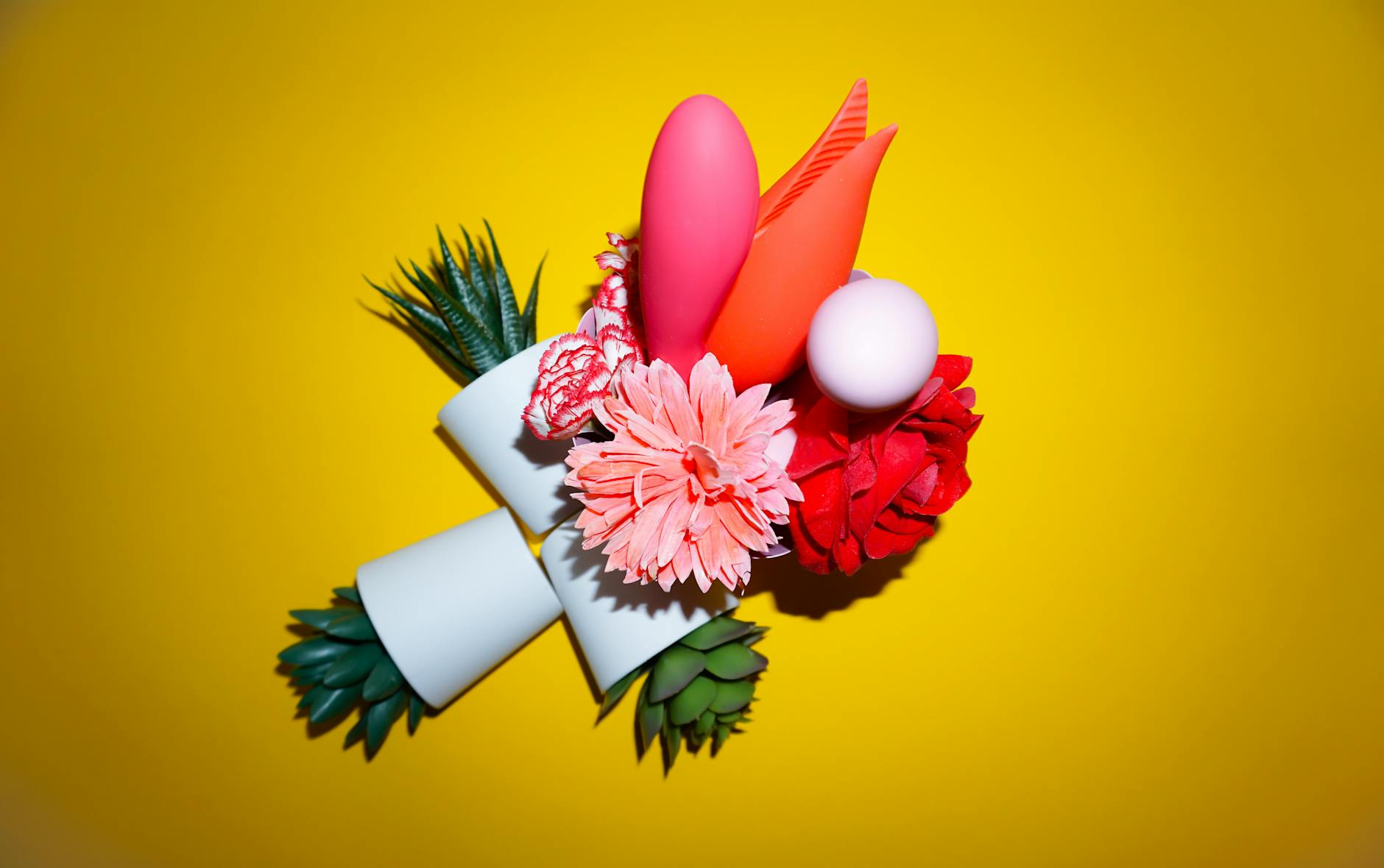
Let's be real about lube and solo play
Honestly, if you've ever reached for a lemon vibrator and felt like the glide wasn't there, you're not broken. Natural lubrication during solo play works differently than it does with a partner. There's no arousal feedback loop from another person, no vulnerability spike, no chemistry shift. Sometimes your body produces plenty; sometimes it doesn't. Both are normal.
Here's the thing: insufficient lubrication during solo play isn't a signal to stop. It's a signal to add intentional support. And when you do, the experience often becomes deeper and more focused because you're not mentally caught between "this feels dry" and "am I doing this right."
Why lubrication matters more with a lemon vibrator
A lemon clitoral vibrator works through suction and gentle pulsing against delicate tissue. Unlike traditional vibrators that rely on friction, suction stimulation depends on a seal. If there's not enough natural lubrication, you lose that seal and the sensation flattens. It's not that the toy stops working; it's that the mechanism can't work the way it's designed to.
The clitoris is also sensitive to repeated pressure on dry tissue. Adding lubrication isn't a workaround. It's part of the experience design. Water-based lubricants create the cushion that lets sensation build without discomfort, which means you can focus on pleasure instead of managing irritation.
There's also a practical piece: lube reduces suction sounds, which matters if you live with a partner, roommate, or anyone else in the space. Better seal equals quieter operation.
Choosing the right lubricant for solo play
Water-based lubes are the standard for lemon vibrators and silicone toys. They're body-safe, they rinse clean, and they don't degrade silicone. Silicone-based lubes are richer and last longer, but they'll damage your toy over time.
Look for ingredients you recognize: glycerin, propylene glycol, or hyaluronic acid. Avoid anything with nonoxynol-9 (spermicide), which can irritate tissue during solo play when there's no contraception benefit. If you have sensitive skin, patch-test any new lube on your inner arm first.
Thickness matters too. Thinner lubes feel more like natural lubrication and are good for everyday solo play. Thicker, more gel-like lubes create more cushioning if you're doing longer sessions or if your tissue feels especially dry. You don't need both, but understanding the difference helps you pick what works for your body.
Layering lubrication for maximum comfort
The most effective approach I see with clients is layering. Start with a small amount of lube directly on the toy before you begin. This primes the seal and gets the suction working from the first touch. Then apply a second layer to your body once you're aroused. This combination means the lube isn't just sitting there; it's integrated into the experience as sensation builds.
How much is enough? About a quarter-teaspoon on the toy head, then a dime-sized amount on your body. More isn't better. Too much lube can break the suction seal or feel sloppy. You want a thin, even layer that feels like an extension of your skin, not a barrier.
If you're doing a longer session (20-30 minutes), reapply halfway through. Lube dries naturally as you move, and your body won't produce more during solo play the way it might with a partner. Having a bottle within arm's reach means you can maintain comfort without breaking rhythm.
Technique adjustments when natural lubrication is low
Lower intensity on your lemon vibrator when you're starting without much natural lubrication. If you jump to patterns 4 or 5 right away on dry tissue, it can feel overwhelming or irritating rather than pleasurable. Begin at pattern 1 or 2, and let the lube and increasing arousal build your baseline comfort.
Angle matters too. With insufficient natural lubrication, positioning the toy directly perpendicular to your body creates the best seal. If you angle it slightly, you lose suction and the sensation becomes scratchy. Once you've added lube and arousal has built, you have more freedom to experiment.
Pacing is different too. Without a partner to match or respond to, you can slow down without anyone else's frustration. Spend 10-15 minutes on light patterns while your body warms up and lubricates naturally. This isn't wasted time; it's foreplay with yourself, and it often leads to better orgasms because you're fully present instead of chasing sensation too quickly.

Photo by cottonbro studio on Pexels
When to choose a different type of lube
If you have recurrent yeast infections or bacterial vaginosis, your tissue might be reactive to certain lube ingredients. Some lubes contain glycerin, which feeds yeast growth. If that's your history, look for glycerin-free options like hyaluronic acid-based lubes. Brands marketed as "sensitive" are often safe starting points.
If you're dealing with genitourinary syndrome of menopause or post-menopausal dryness, you might benefit from hybrid lubes that combine water-based and silicone formulas. They last longer without the silicone toy damage. Or consider using a thin hyaluronic acid cream alongside your lube for deeper tissue hydration.
Allergy testing matters. If a new lube causes stinging, itching, or burning, stop using it. Your body is telling you something. You don't need to power through an unsuitable lube out of obligation. There are dozens of formulas out there; finding the one that feels natural to your skin is worth the exploration.
Addressing the psychological side
Somewhere in your brain, you might be thinking: "If I need lube, something's wrong with me." That's the narrative I want to interrupt. Natural lubrication during solo play is inconsistent for everyone. Hormones, hydration, stress, time of day, where you are in your cycle, whether you've been eating well, how much sleep you got. Adding lube is not an admission of failure; it's resourcefulness.
Many people also feel awkward using lube solo because there's no partner to normalize it with. You might worry it feels clinical or less authentic. In my experience, the opposite is true. When you add lube intentionally, you're taking your own pleasure seriously. You're saying: my comfort matters, my sensation matters, I'm worth the five extra seconds this takes.
That's not clinical. That's self-respect.
How to maintain your lemon vibrator with lubrication
Water-based lube rinses easily, but don't just run your lemon clitoral vibrator under water. Use warm water and a drop of soap, then pat dry completely. Lube residue left inside the suction head can get sticky and affect performance. Dry it thoroughly before storing.
Check your toy once a month for any changes in texture or discoloration. Water-based lubes are safe for silicone, but if you're using a lube with additives you're unsure about, inspect the toy regularly. Most quality lube won't cause issues, but staying aware means you catch anything odd early.
Store your lube in a cool, dark place and check the expiration date. Yes, lube expires. Old lube can develop bacteria or separate into layers. A fresh bottle every six months if you're using it regularly is standard.
FAQ: Lubrication and solo play with lemon vibrators
Can I use coconut oil with my lemon vibrator?
Coconut oil damages silicone over time. It also doesn't rinse cleanly and can trap bacteria in the toy. Stick with water-based lubes designed for silicone toys. If you like the feel of coconut oil, look for hyaluronic acid or other plant-based water lubes that mimic that texture.
How often should I be adding lube during a solo session?
Start with a layer before you begin, then reapply every 15-20 minutes if your session is longer. Everyone's timeline is different. Pay attention to when sensation starts feeling less smooth and add more before it gets uncomfortable. Prevention is easier than catching up.
Is it normal to need more lube as I get older?
Absolutely. Natural lubrication changes with hormones, medications, and life stage. If you're noticing changes in how your body responds during solo play, adding lube is a straightforward adaptation, not a sign something's wrong. Your pleasure is still absolutely accessible; it might just need different support now.
What if lube makes me feel less connected to my body?
That's worth exploring, because usually it's the opposite. When lube reduces discomfort, you can actually feel more. But if you're experiencing mental friction, try thinner lubes that feel closer to natural lubrication. Or slow down even more in your warm-up phase to build natural lubrication before adding anything external.
Can I use the same lube with a partner that I use solo?
Yes, absolutely. Lubrication is lubrication. The same water-based lube works for partnered sex and solo play. Having one good lube instead of multiple bottles is more convenient and more cost-effective.
Should I be concerned if I need lube but my partner doesn't mention it?
Not at all. Your body and your partner's body are different. Some people produce abundant natural lubrication; others don't. Neither is better or more normal. Many couples add lube as a standard part of their routine because it improves comfort and sensation for whoever needs it. If lubrication is a conversation point in your relationship, that's actually healthy communication.
The bottom line
Insufficient lubrication during solo play is one of the easiest physical issues to solve. A good water-based lube, applied intentionally before you start and reapplied as needed, transforms the experience from uncomfortable to genuinely pleasurable. Your lemon vibrator is designed to work with lubrication. Using it isn't a workaround; it's using the tool as intended.
Your comfort matters. Your pleasure is worth the small effort of adding lube. And honestly, once you find the right product for your body, it becomes automatic. You'll reach for it the same way you'd reach for your toy.
If you have questions about technique, comfort, or how to make solo play feel more connected to your body, reach out. That's what we're here for.