The medication-pleasure conversation nobody's having
Your doctor prescribed something that works. Then your body stopped responding the way it used to. That's not a personal failure. That's neuropharmacology.
Common medications from blood pressure drugs to SSRIs to hormonal birth control literally change how your nervous system lights up. Sensation gets duller. Arousal takes longer. Orgasms feel further away or don't happen at all. This affects roughly one in three people taking certain medications, and the silence around it is part of the problem. You assume it's you. It's not.
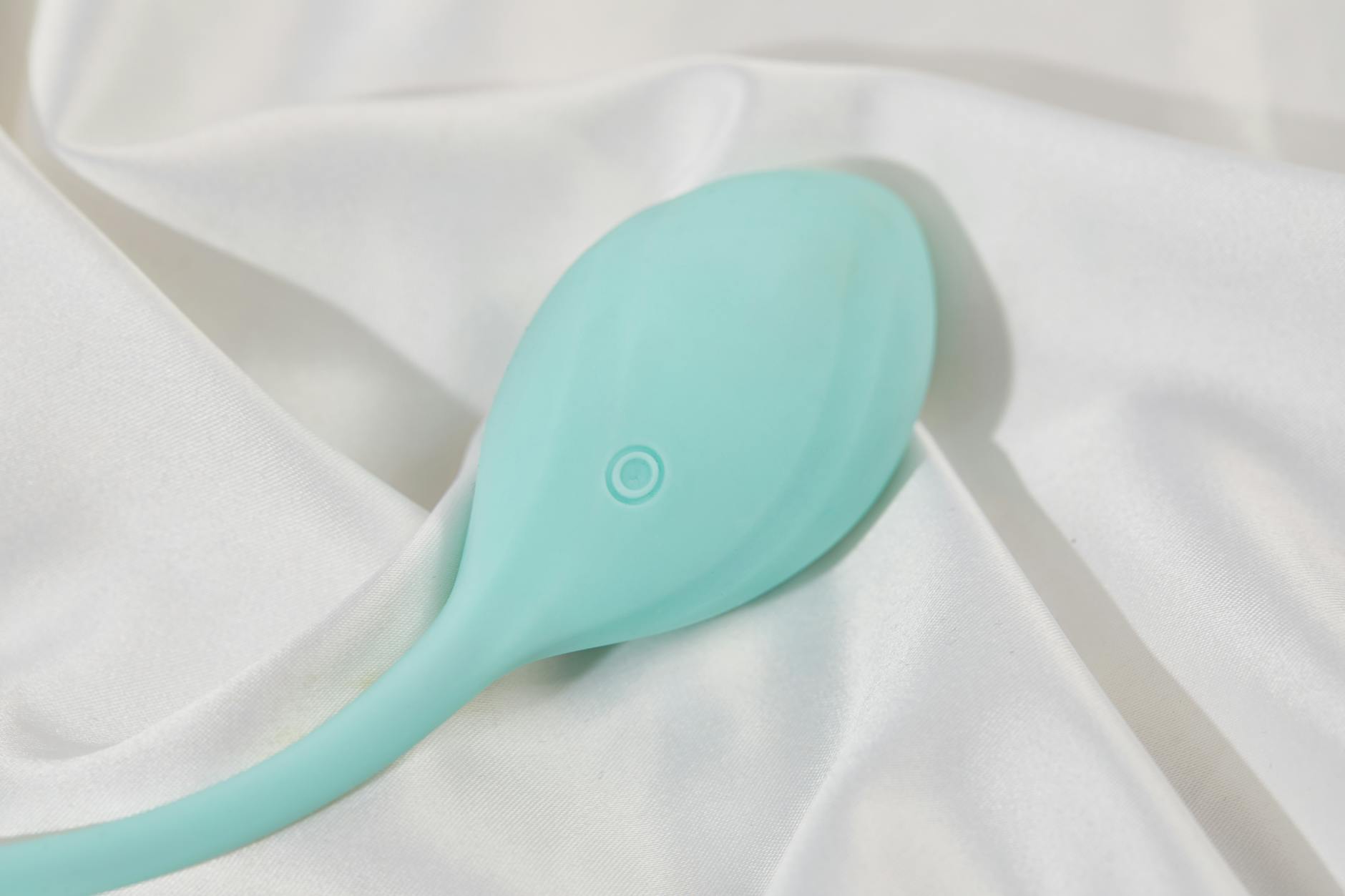
The good news: a lemon clitoral vibrator is specifically designed for exactly this situation. The suction mechanism works differently than a standard vibrator, and that difference matters when your body needs more intensity to cross the arousal threshold.
What these medications actually do to pleasure
Three categories hit hardest:
SSRIs and SNRIs (antidepressants). These delay or flatten orgasm by raising serotonin. Your brain gets calmer. Your sexual response gets slower. Sertraline, paroxetine, and venlafaxine are the usual culprits.
Beta blockers and ACE inhibitors (blood pressure). They reduce blood flow to the genitals and lower dopamine slightly. Arousal requires engorgement. Without it, sensation feels muted. Everything takes longer.
Hormonal contraceptives. Birth control suppresses testosterone, the hormone driving desire in every body. Lower testosterone means lower sensation threshold and longer warm-up time. It's not just "in your head."
Other medication classes can chip away at pleasure too. Antihistamines dry you out. Some anticonvulsants dull sensation. Certain cancer medications and thyroid treatments affect arousal. The conversation with your doctor should always be: "This is affecting my sex life. What are our options?"
But here's what doesn't change: your ability to feel good. It just requires a different approach.
Why lemon vibrators work when medication dulls sensation
A standard vibrator sends rapid vibrations across the skin. When medication has dampened your nerve sensitivity, that input might feel like a hum without the pleasure. You feel something, but it doesn't translate.
A lemon clitoral vibrator works through suction. Instead of vibration, it creates a gentle rhythmic pulling sensation that stimulates the clitoral nerve endings from a different angle. Think of it less like a buzzer and more like a micro-massage. For people on medication that's flattened sensation, this shift in mechanism often makes the difference between feeling nothing and feeling everything.
The suction also pulls blood into the clitoris, which helps with engorgement. Medication reduced your blood flow. Suction compensates. This is why so many people report that a lemon vibrator works when nothing else does.

Photo by Madison Inouye on Pexels
The technique that works when sensation is dulled
Forget everything you know about vibrator speed settings. When medication has reduced sensation, you need a different strategy.
Start with pattern first, not intensity. The Lem vibrator has different suction patterns. Begin with pattern 1 and spend 5 minutes on each pattern before moving up. You're teaching your nervous system to recognize the sensation again, not chasing intensity.
Budget double your normal warm-up time. If you used to need 10 minutes to be aroused, plan for 20. Medication didn't just slow your body. It slowed the cascade of arousal. Rushing it won't help. Surrendering to the slower timeline changes everything.
Use the Lem on lowest intensity for the first session. Don't assume you need maximum power. Your sensitivity is there. It's just buried under a neurochemical shift. Starting low lets you find sensation again instead of overwhelming yourself chasing it.
Layer lubrication. Medication often dries you out. More lube means more sensation, more comfort, and easier movement. Use a water-based lube generously. This is not optional.
Focus on multiple entry points. Instead of going straight to the clitoris, spend time on the outer labia, the vulva, the inner thighs. Wake up the whole region before focusing down. This primes the entire pelvic floor for arousal.
The conversation with your prescriber
Here's the thing: most doctors don't ask about sexual side effects. That means most people don't tell them. Then you live with dulled pleasure for years thinking it's normal aging or your body changing.
It's not.
If you're on an SSRI and experiencing delayed or missing orgasms, ask about switching timing. Some people take their dose after sex instead of before. It's a simple shift that works for roughly 40 percent of people experiencing that side effect. That's not guaranteed, but it's worth asking.
If blood pressure medication is the culprit, your doctor might switch you to a different class that's less likely to affect sexual function. ACE inhibitors often work better than beta blockers for this reason. Ask.
If birth control is the issue, a lower-hormone formulation or switching to a non-hormonal method might restore sensation. The copper IUD, for instance, won't suppress your testosterone.
None of these conversations are awkward to your doctor. They have them regularly. The only awkwardness is in your head.
When to adjust your expectations temporarily
Medication side effects don't always resolve quickly. If you just started a new drug, give it eight weeks before you assume the sexual side effect is permanent. Many people see improvement as their body adjusts.
If it doesn't improve, that's your signal to go back to your prescriber and have the real conversation. Your sexual health matters as much as your blood pressure or your depression. It's not a luxury feature of life. It's a core human need.
While you're working on the medication piece, a lemon vibrator gives you a tool that actually works with your current body instead of fighting it. That shifts the whole emotional tone. You're not broken. You're adapting.
The pleasure you can build back
I've worked with dozens of people in relationships who've hit this wall. Partner gets prescribed something. Sex stops working. Resentment builds. Then they try a different approach with a lemon clitoral vibrator, see that sensation is still there, and suddenly the whole dynamic changes.
The medication isn't going away. But pleasure can come back. It just requires acknowledging that your body changed, not that it broke.
Start with longer warm-up. Add a lemon vibrator. Layer in lubrication. Have the conversation with your doctor about timing or switching. Most importantly, stop assuming it's permanent. It's usually temporary. And when it isn't, there are workarounds that genuinely work.
Your body deserves that level of attention. You deserve that level of attention.
People also ask
Can you use a lemon vibrator if you're on antidepressants?
Absolutely. Many people on SSRIs find that a lemon clitoral vibrator works better than traditional vibrators because the suction mechanism stimulates sensation differently. The key is extending your warm-up time, using a lower intensity pattern first, and being patient with your arousal timeline. If your medication is delaying orgasm specifically, talk to your prescriber about taking your dose after sex instead of before. That shift works for roughly 40 percent of people.
How long does it take for medication side effects on pleasure to go away?
It depends on the medication and your body. For some people, sexual side effects improve within 8 to 12 weeks of starting a new drug. For others, the side effect persists as long as you're taking the medication. That's when you loop back to your doctor and ask about timing adjustments or switching to a medication with fewer sexual side effects. Never assume the side effect is permanent without having that conversation.
Does switching birth control help with sensation?
For many people, yes. Birth control works by suppressing hormones, and lower hormones means lower testosterone, which affects sensation and desire. A lower-hormone pill formulation, or switching to a non-hormonal method like a copper IUD, can restore sensation in weeks. But this is a conversation to have with your gynecologist, not something to guess about.
Why does a lemon vibrator work better when medication dulls sensation?
A lemon clitoral vibrator uses suction instead of vibration. When medication has dampened your nerve sensitivity, rapid vibration might feel like a hum without pleasure. Suction creates a different kind of stimulation that often cuts through that numbness. Suction also pulls blood into the clitoris, helping with engorgement when medication has reduced blood flow. The mechanism is fundamentally different, and that difference matters.
Should you adjust lube use when on medication that dries you out?
Definitely. Most medications that affect arousal also reduce natural lubrication. Use a water-based lube generously every time. This isn't a sign that something's wrong. It's a practical adjustment to your medication's side effect. More lube means more sensation, more comfort, and a better experience with a lemon vibrator or any other method.
Is it normal for medication to kill your sex drive?
It's common, but it's not something you have to accept as inevitable. Some medications are more likely to affect sexual function than others. If your prescriber has other options in the same medication class, it's worth asking about switching. If not, adjusting the timing of your dose, adding a lemon vibrator to your routine, or extending your warm-up time can make a real difference. Your sexual health is part of your overall health. Advocate for it.
Final word
Medication gave you something your body needed. The sexual side effect is real, but it doesn't have to be permanent or unchangeable. A conversation with your prescriber, a shift in technique with a lemon clitoral vibrator, and patience with your body's new timeline can bring pleasure back. You haven't lost the ability to feel good. You've just hit a different starting point. That's worth working with instead of against.
Want to talk through specific medication questions or explore what approach might work for your body? Reach out at /contact and let's find a path forward together.