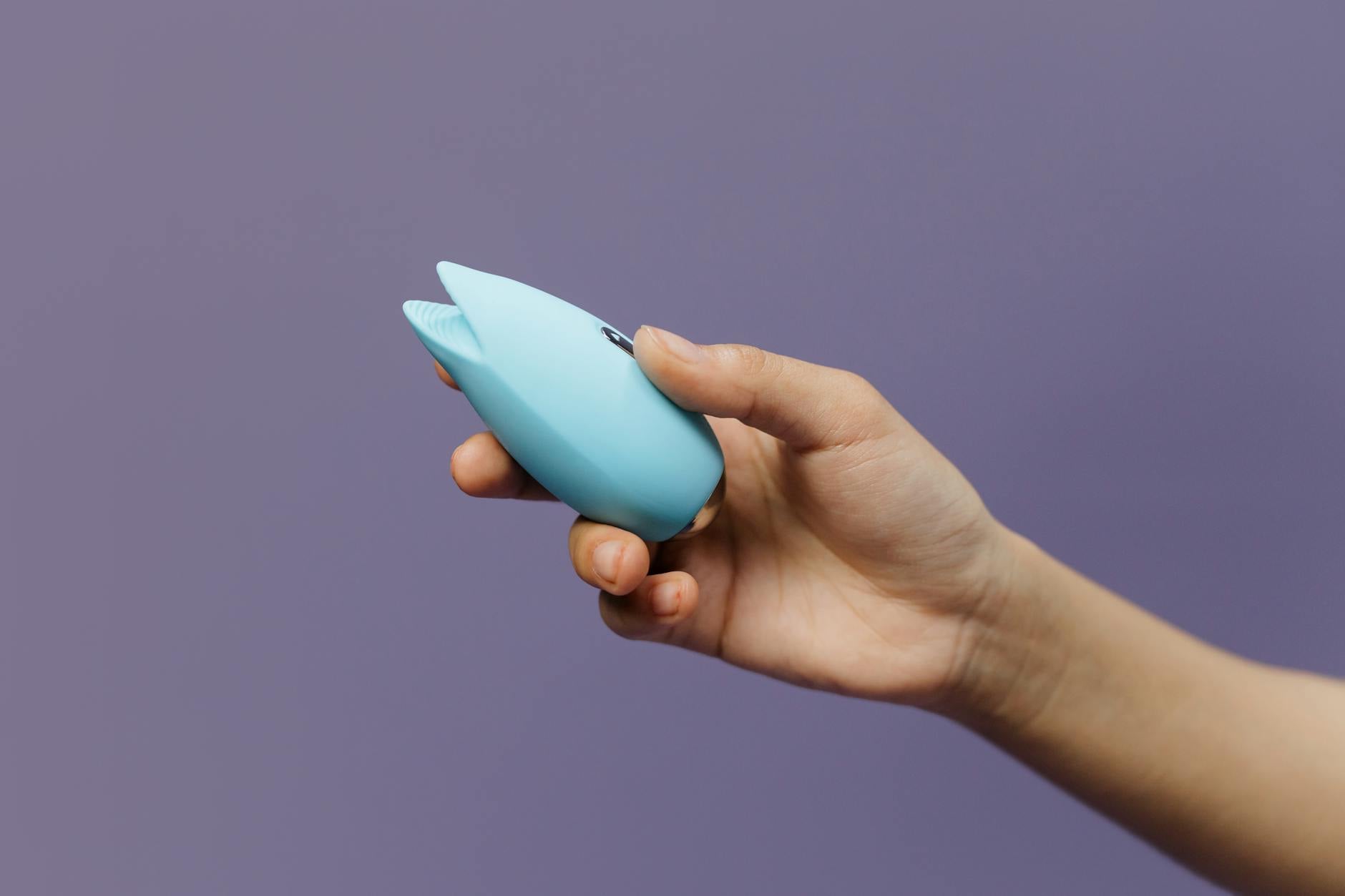
Let's start with the thing nobody says out loud
Your partner loves touching you. A lemon vibrator doesn't replace that. And yet, you want the intensity or focus that a clitoral vibrator gives you. These two things don't have to be in conflict. They just need a conversation first.
The tension I see most often isn't really about the toy. It's about what the toy represents. For some partners, a vibrator feels like they're not enough. For others, it's genuinely just a preference for skin-on-skin contact. For others still, it's sensory overwhelm or fatigue. Understanding which one you're dealing with changes everything.
Why partners sometimes resist vibrators
There are a few legitimate reasons someone might hesitate when toys enter the bedroom.
The "not enough" belief. This is insecurity, usually. He or she worries that if you need a toy, they're failing at their job. The truth is simpler and worth saying directly: you're not comparing. You're expanding. There's no finish line. A lemon clitoral vibrator isn't a replacement for their touch. It's a different sensation entirely. Like the difference between a massage and being held.
Genuine sensory preference. Some people are deeply wired for direct contact. The warmth, the texture, the responsiveness of another person's hand just feels better to them than anything else. That's not a limitation. It's just their baseline. Respect it the same way you'd want them to respect yours.
Fatigue or physical limitation. Sometimes a partner's hand gets tired, or they have arthritis, or they're managing their own sensory bandwidth. A lemon sexual toy isn't a personal rejection. It's often a relief for them. They get to stay engaged without physical strain.
Novelty anxiety. New things in the bedroom can feel risky, even good things. This one usually dissolves once you've actually tried it together and realized the world didn't end.
The conversation you need to have first
Don't just introduce the toy. Make space for what it means.
Start by being honest about why you want to use a lemon vibrator. "I want to try something that gives me a different kind of stimulation" is different from "I'm bored with what we're doing." One is additive. The other sounds like criticism. Say the first thing.
Then ask what they're actually worried about. Is it that they feel replaced? Is it that they think toys are emasculating? Is it discomfort with the novelty? Once you know the real concern, you can address it directly instead of just hoping it goes away.
Here's what I tell couples: toys aren't a referendum on your partner's skills. They're a tool for your own pleasure. And your pleasure is your partner's responsibility, even if it means they're not the one directly causing it every single time.
How to integrate a lemon vibrator into manual play
The smartest move is not "you use the toy alone" but "we use the toy together."
Try this: your partner uses their hands for penetration or external stroking while you (or they) use a lemon clitoral vibrator on the outside. This gives you the intensity you're seeking while keeping their touch in the picture. They're still actively involved. The sensations layer instead of competing.
Or, start with manual stimulation to build arousal, then bring in the vibrator once you're already engaged. The toy isn't the whole experience. It's part of it. Your partner might feel much more comfortable this way because they've already established the rhythm.
Another option: let them hold the vibrator sometimes. A lemon sucker like the Lem gives incredibly precise stimulation, and some partners actually love having that control. It's different from using their fingers alone, but it's still them choosing the intensity and pattern. That can feel collaborative instead of passive.
Managing the pressure (on both of you)
Partners sometimes feel like they need to keep up with a toy, or compete with it somehow. That's a false premise worth dismantling.
Explain that the vibrator does one thing: rapid pulsation. Your hands do a thousand things. They communicate. They adjust to your breathing. They know your body's tiny feedback loops. Those are irreplaceable. The vibrator is just one frequency added to the mix.
Also: sometimes a toy gets used solo, and that's fine. If your partner is watching or in the room, great. If you're using it alone while they're doing something else, also fine. The goal isn't constant togetherness. The goal is pleasure for both of you, which sometimes looks different.
Set a low bar for success. The first time you use a lemon clitoral vibrator together, the bar is just that you both felt comfortable enough to try. Not that it was the best orgasm ever. Not that it perfectly solved your pleasure equation. Just that you tried something new without it being awkward.
When to compromise and when to hold firm
If your partner genuinely doesn't like toys and you're willing to live without them sometimes, that's a valid compromise. You can use your lemon vibrator solo or during partnered foreplay while they focus on other aspects of your pleasure.
But if using adult toys is important to you, that's worth defending. Your pleasure matters. And a partner who cares about you should want to figure this out with you, even if it takes time.
There's a middle ground here: your partner doesn't have to love the vibrator. They just have to be willing to let you use it. That's a much lower bar than actually engaging with it.
Reading the room in real time
Once you're actually using a lemon vibrator together, pay attention to what's happening.
If they seem genuinely uncomfortable, pause. Ask. Don't just power through hoping it gets better. Maybe they need to talk about what they're feeling. Maybe they need a break. Maybe they need to hold you while you use the toy, instead of using it together. There's no single right way.
Also notice if pleasure is actually increasing. If you're more relaxed, more focused, coming faster, or having better orgasms with the vibrator involved, your partner will likely notice that too. Seeing you respond well to something is often the fastest way to move past resistance.
And here's the thing nobody says: sometimes a partner becomes curious about toys once they see you enjoying them. They might not want to use one on themselves, but they might become very interested in exploring what a lemon clitoral vibrator can do together. Give that space to develop naturally.
FAQ
Will using a vibrator make me less interested in manual stimulation?
No. Different sensations complement each other. Most people find that after exploring both, they want both. A lemon sucker won't erase the experience of your partner's touch. If anything, it'll make you appreciate the layering.
What if my partner says they feel inadequate when I use a toy?
That's a conversation worth having with patience and specificity. Say something like: "When I use this vibrator, it's not because you're not enough. It's because I want a different kind of sensation sometimes. Your touch does things a toy never can." And actually mean it. Then follow through by continuing to ask for, initiate, and enjoy manual stimulation with them.
Can I use a lemon vibrator without my partner knowing?
Technically, yes. But if you're in a committed partnership, secrecy usually creates more distance than the toy itself would. If your partner's resistance is really strong, that might be worth exploring with a couples therapist instead of just hiding it.
Should I be worried about my partner feeling replaced by a toy?
Only if you're actually treating the toy like a replacement, which most people don't. If you're still pursuing your partner, still engaging with them, still wanting their touch, they'll likely feel that. Toys don't replace people. They expand the menu.
What's the difference between a lemon vibrator and other adult toys for partnered play?
The Lem and similar lemon sexual toys use clitoral suction instead of vibration, which creates a unique sensation. For partners who are sensitive to traditional vibrators, this can feel like a compromise. It's different enough to be interesting, but the focused stimulation can feel less jarring than rapid buzzing.
How do I bring this up without it seeming like I'm criticizing our sex life?
Frame it as exploration, not dissatisfaction. "I've been curious about trying something new, and I'd love to experience it together" is different from "What we're doing isn't working." And actually mean the first part. You're genuinely curious, not resentful.
The long view
Integrating a lemon vibrator into partnered sex when your partner prefers manual stimulation takes patience and conversation. But it's absolutely possible, and on the other side of that work is usually a deeper understanding of what you both actually want.
Your pleasure isn't negotiable. But the way you pursue it can be collaborative. That's the real win here. Not the toy. The fact that you're figuring this out together.