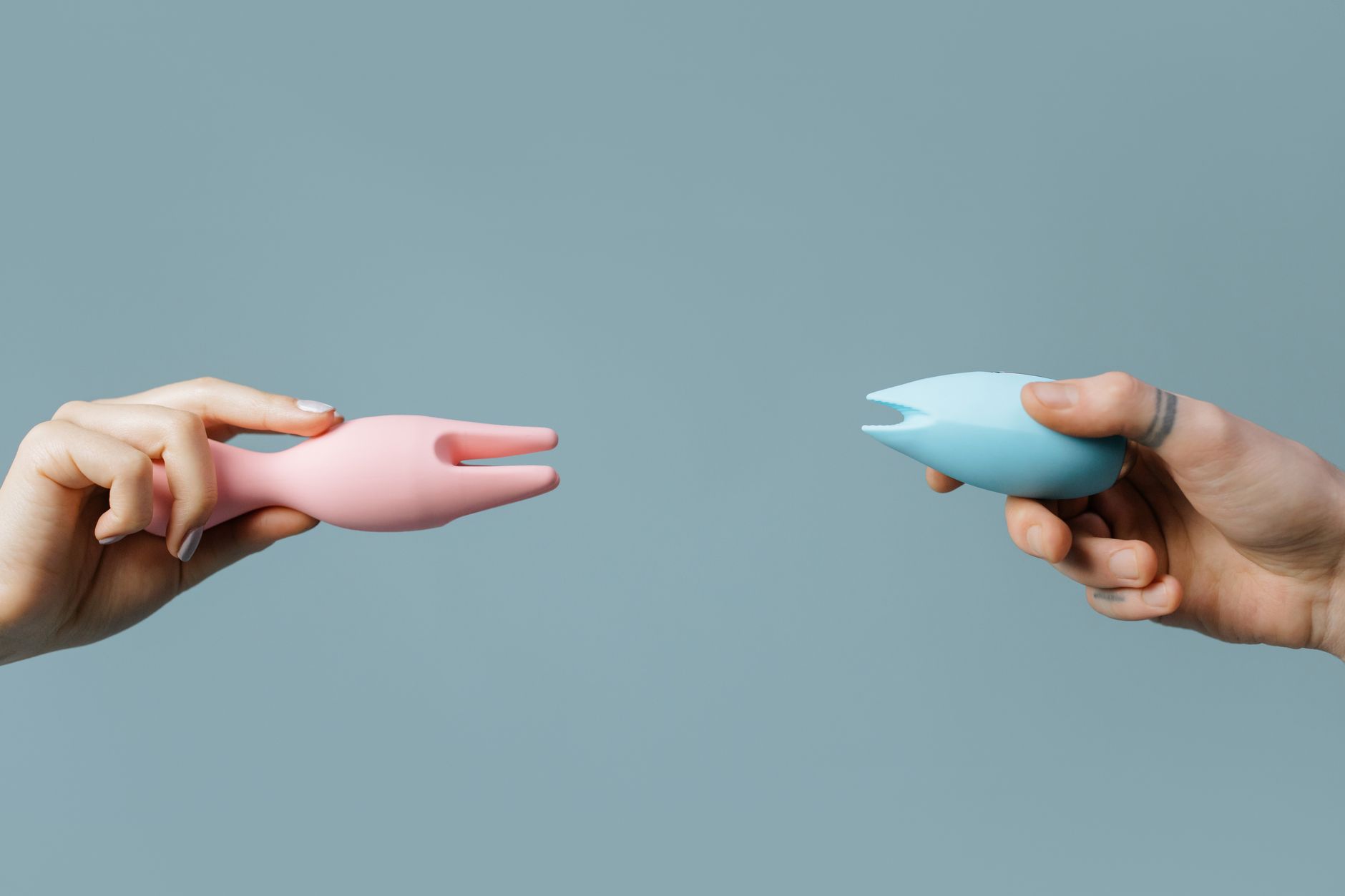
Let's start with the uncomfortable truth
One of you has full-body, mind-erasing orgasms. The other has... pleasant sensations that are over pretty quickly. Neither of you talks about it because it feels like criticism, but it's there between you. And honestly, that mismatch can create weird feelings on both sides: resentment, inadequacy, performance pressure, or just the sense that something's not quite balanced.
The thing is, orgasm intensity isn't random. It's not about how much someone loves you or how fit they are. It's neurological and physical, shaped by anatomy, hormones, sensitivity, and even the way someone's nervous system is wired. Which means it's also something you can actually work with.
Why orgasm intensity varies between partners
Here's the physiology: orgasm lives in the nerve density and the brain's capacity to process sensation. People with vulvas tend to have a denser concentration of nerve endings in the clitoris. People with penises have them spread across a larger surface area. That's not a quality issue, it's a distribution issue.
But within any body, intensity also depends on how much sensory input the nervous system is receiving and how effectively that signal travels to the brain. Suction stimulation triggers a different neural pathway than vibration. It creates a broader, more focused sensation that some people experience as deeper and more full.
If your partner experiences less intense orgasms, it might not be because they're not aroused enough or because you're not trying hard enough. It might be that their particular nerve configuration responds better to a different type of touch.
The problem with straight vibration in mismatched pleasure
Traditional vibrators feel great, but they work the same way for everyone: rapid surface stimulation. If your partner's already getting subtle sensations, more surface vibration can feel... thin. Like turning up the volume on a speaker that's already tinny.
Lemon clitoral vibrators that use suction work differently. Instead of buzzing, they create a gentle seal and pulse, which stimulates a broader area of nerve tissue at once. For some people, especially those who experience less intense sensations with straight vibration, this shift changes everything. Suddenly they're not just feeling a buzz. They're feeling pressure, suction, and rhythm combining into something that reaches deeper.
How to introduce suction without it feeling like a fix
This is where the conversation matters more than the toy. If you lead with "I bought this because your orgasms aren't intense enough," you've just made it a problem instead of an exploration.
Instead: "I read that suction stimulation creates a different sensation than vibration, and I'm curious if you'd want to try it together." That's true. It's not about fixing anything. It's about discovering something new.
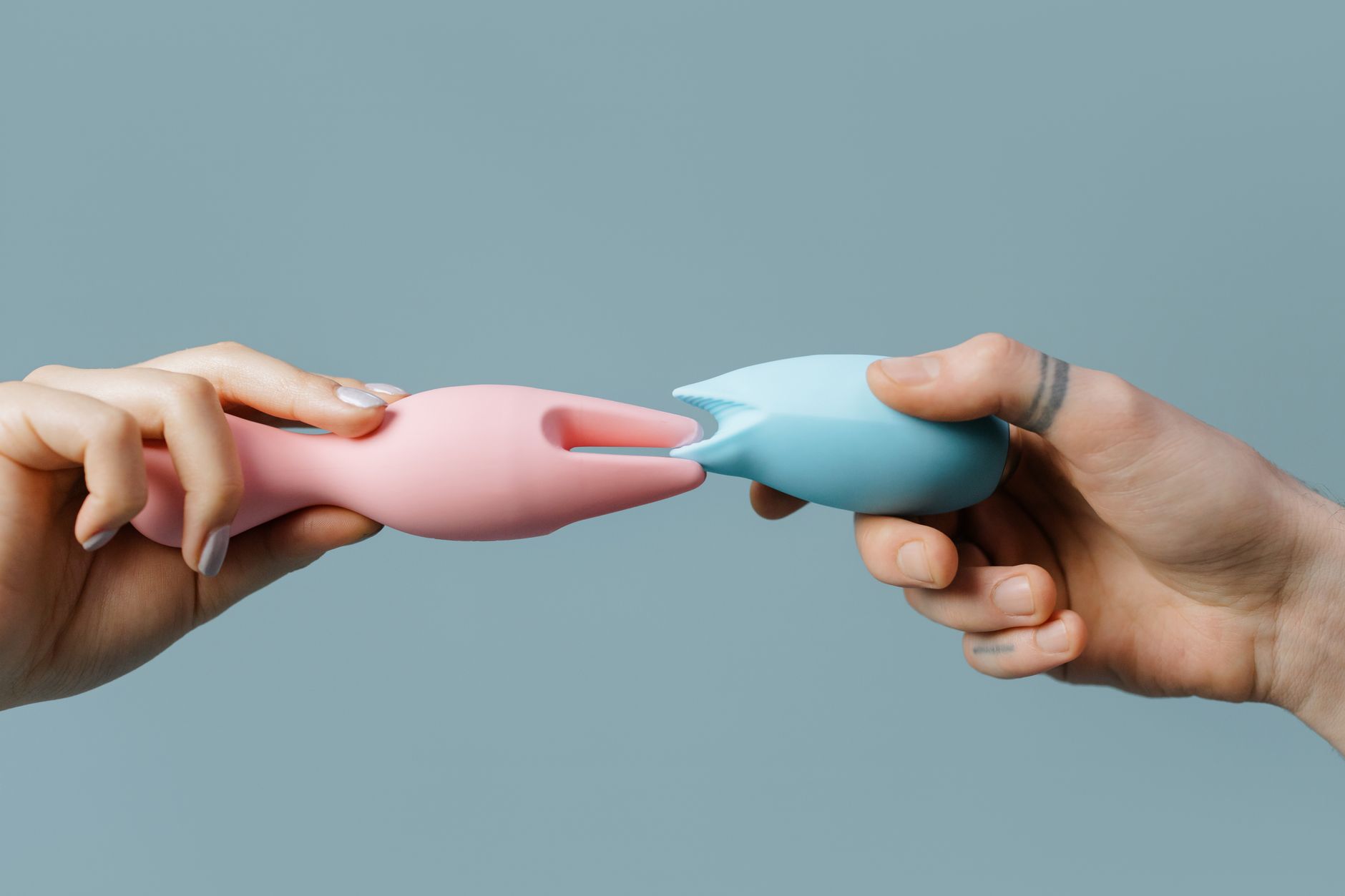
Photo by cottonbro studio on Pexels
When you actually try it, start on the lowest setting. Suction feels different from day one, and that difference can be surprising. Let your partner control it. Have them explore the sensation first without performance pressure. The goal isn't an orgasm yet. It's just getting familiar with what suction feels like.
Many people report that the first time they try a lemon suction vibrator, the sensation is almost too much, then weirdly not enough, then suddenly it clicks. That click often happens around pattern 2 or 3, after a few minutes. Give it time.
Positioning when intensity matters
One unexpected thing about suction tools: they work best with steady pressure and minimal movement. That's different from how many couples use vibrators in partnered sex, where there's a lot of in-and-out motion.
If you're using a lemon clitoral vibrator together, position yourself so one of you can hold it relatively still while the other can move their hips if they want. Or position it so your partner can lie still and you're the one applying steady pressure. This isn't passive. It's focused.
This positioning shift actually matters for intensity. With vibration, motion sometimes helps. With suction, stillness helps the sensation build. So the fact that you're repositioning isn't a limitation. It's a feature that actually supports deeper sensation.
Timing and rhythm when orgasms feel unequal
Here's what often happens in couples where one person orgasms more intensely: the more-intense partner comes quickly and vividly. The less-intense partner takes longer and feels less dramatic. Then there's awkwardness about whether to keep going or wrap up.
Suction tools change this because they often extend the plateau phase. Your partner might spend longer building toward orgasm, but the sensation is richer the whole time. Which means you're not racing to a finish line. You're in it together, longer.
If you've been used to your own orgasm being the main event, this might feel slow at first. Resist the urge to turn up the intensity too fast or add more stimulation. Let the slower build happen. That's where the intensity actually lives, for some people.
The emotional piece
Mismatched orgasm intensity often gets tangled with other feelings. Maybe the person who orgasms less intensely feels broken. Maybe the person who orgasms more intensely feels responsible for carrying the pleasure. Maybe there's resentment about the difference itself.
Bringing in a new tool without addressing those feelings doesn't fix anything. But using a lemon clitoral vibrator as a framework for a real conversation can help. "I notice our orgasms feel different. I don't think either one is wrong. I'm wondering if we could explore what actually feels best for you instead of assuming I know."
That conversation, plus the actual tool, often shifts something. The tool isn't the solution. The solution is paying attention to what your partner actually experiences instead of what you think they should experience.
When to suspect something else is happening
If your partner consistently experiences very low-intensity orgasms and nothing seems to help, it's worth checking a few things. Medication side effects, particularly SSRIs, can blunt sensation. Hormonal shifts affect intensity. Pelvic floor tension can actually prevent the rhythmic contractions that make orgasms feel full.
If this is the case, a new toy won't fix it, but it might be the thing that prompts a conversation with a doctor or therapist who specializes in sexuality. Which is good. That's the actual solution.
Starting the experiment
Buy or try a lemon suction toy together if you're both open to it. If your partner's more hesitant, don't push. But if there's curiosity, start on pattern 1. Go slow. Expect it to feel weird at first. Keep talking, not during sex necessarily, but after. "What did that feel like? Want to try again next time?"
The intensity mismatch won't disappear entirely. Neurologically, it probably shouldn't. But it can stop feeling like a problem and start feeling like interesting variation. Which is different.
FAQ
Can suction vibrators really make orgasms feel more intense?
For many people, yes. Suction engages a different neural pathway than vibration alone. It creates broader stimulation that some people experience as deeper and more full. That said, everyone's different. What feels revolutionary for one person might feel uncomfortable for another. The key is experimenting without expectation.
What if my partner tries suction and still doesn't feel that much?
Then suction isn't their thing, and that's fine. Some people respond better to specific vibration patterns, or to blended stimulation (penetration plus external), or to non-physical things like audio or fantasy. The point isn't to find the magic fix. It's to keep paying attention to what actually works for them, not what works for you.
Is it insulting to suggest toys if my partner's orgasms feel less intense?
Not if you frame it right. The frame matters enormously. "Your orgasms aren't good enough" is insulting. "I want to explore more ways we can both feel amazing" is collaborative. Toys are tools for exploration, not judgments. Use them that way in your actual words and your actual attitude.
Will using a toy together change the power dynamic in our sex life?
It might. Usually for the better. If one person has been carrying the responsibility of pleasure and the other has been passive, introducing a tool creates a moment to renegotiate that. You both touch it. You both decide when and how. It's a conversation opener, really.
How often should we use a lemon suction vibrator to notice a real difference?
Expect to try it at least 3-4 times before you know if it's actually going to shift things. The first time is novelty. The second time is adjustment. By the third or fourth, you both know what you're working with. Then you can decide if it's a regular part of your sex life or an occasional thing.
What if the intensity difference is actually making me resentful?
That's worth naming out loud, ideally with a therapist who works with couples. Toys can't fix resentment. But they can be a catalyst for a real conversation about pleasure, fairness, and what each of you actually needs. If you're feeling like your partner's body isn't matching your body's capacity, that's a real feeling. It deserves real attention.
What comes next
Orgasm intensity mismatch isn't something you fix. It's something you navigate. You can reduce friction by understanding what's actually happening neurologically. You can expand options by exploring different types of stimulation. You can deepen connection by talking honestly instead of pretending everything feels the same.
A lemon clitoral vibrator is one tool for that. But the real work is the conversation, the curiosity, and the willingness to care about what actually feels good to your partner instead of what you think should feel good. That's what actually changes things.
Ready to explore? Check out our guide to choosing your first toy or learn more about how suction differs from traditional vibration. And if you want to talk through what might work best for your specific situation, reach out.