
How to Use a Lemon Vibrator When Partners Have Mismatched Orgasm Timings
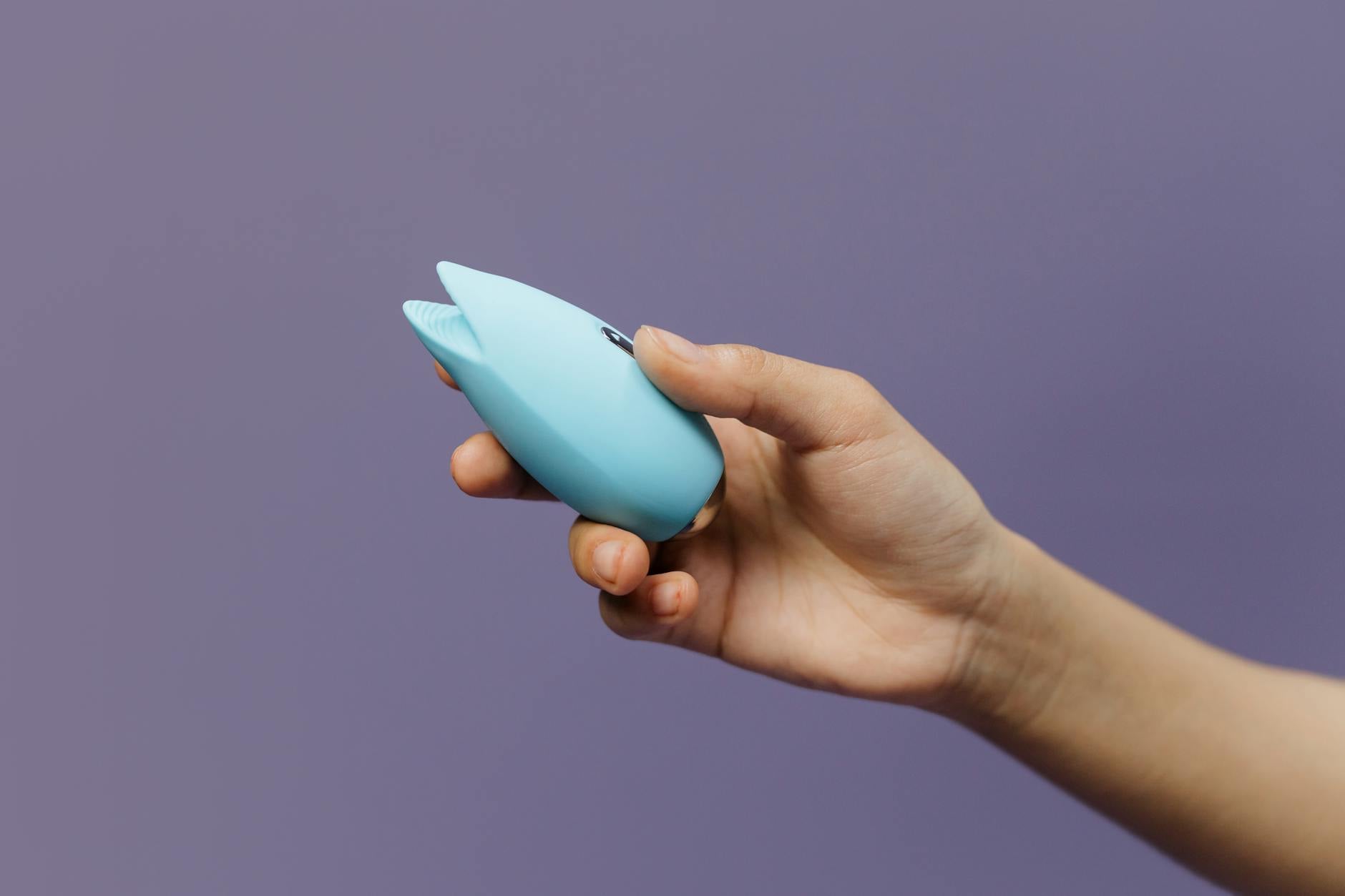
Photo by cottonbro studio on Pexels
Let's be real. One of you finishes in five minutes. The other one is just getting started. Nobody's wrong here. Biology is just weird that way. But it creates a specific tension: one partner feels rushed, the other feels abandoned mid-climax, and you're both pretending this isn't eating away at the whole experience.
This is one of the most common timing problems I see in couples therapy, and it's also one of the easiest to solve with the right tool and the right conversation. A lemon clitoral vibrator shifts the whole dynamic because it removes the performance pressure and lets both of you come at your own pace.
Why orgasm timing mismatches happen (and why they're not your fault)
First, the physiology. Orgasm isn't a synchronized event. It's neurological, hormonal, and deeply individual. Someone with a penis typically has a shorter refractory period before arousal builds again, which means faster time to orgasm. Someone with a vulva often needs sustained stimulation to the clitoris, and that timing varies wildly depending on stress, hormones, how much foreplay happened, and literally everything else happening in their nervous system that day.
Add a partner into the mix and the comparison game starts. You think you're taking too long. They think they're finishing too fast. Sex stops feeling intimate and starts feeling like a math problem. That's the real issue.
Neither of you caused this. Your bodies are just operating on different clocks.
The conversation before the vibrator
Here's what I tell every couple I work with: the tool doesn't fix the communication problem. The tool only works if you're both willing to say out loud what's actually happening.
Before you bring a lemon vibrator into partnered sex, sit down and name the pattern. "Hey, I've noticed I climax way faster than you do, and I think it's creating tension because we're both trying to sync up." That's it. Don't solve it in that conversation. Just say it exists.
Then ask: "What would feel better for you?" Listen to the answer without defending yourself. If they say "I feel like you're leaving me hanging," that's not an accusation. It's information. You need that information before a vibrator means anything.
How a lemon clitoral vibrator changes the dynamic
A lemon vibrator works differently than other toys because of how it stimulates. The suction and pulsing mimic a very specific kind of touch that bypasses all the negotiation and pressure. Here's what shifts:
First, it removes the performance requirement from your partner's body. If you have a penis and you finish quickly, you don't have to stay hard, you don't have to keep moving, you don't have to feel like you're failing. You can be present and engaged without your physiology being the problem.
Second, it gives the partner with a vulva consistent, targeted stimulation that doesn't depend on a partner's endurance or timing. A lemon clitoral vibrator doesn't get tired. It doesn't lose focus. It just keeps working at whatever intensity and rhythm feels best.
Third, and this matters most in couples work, it reframes the whole thing as "we're doing this together" instead of "one of us is wrong." The vibrator becomes a shared tool, not a replacement.
Practical setup: timing and positioning
Once you've had the conversation, here's how to actually use a lemon vibrator when you have mismatched orgasm timings.
Start before partnered penetration. Bring the lemon vibrator into foreplay when you're both already aroused but neither of you has come yet. This is key. You're not trying to compensate for a performance failure. You're extending the window where you're both in the same arousal zone.
Position matters. If you're in missionary or any position where you're facing each other, one partner can hold the lemon vibrator and use it on the other. This keeps eye contact and touch intact. If you're in a position like spooning or rear entry, the receiving partner can hold the vibrator or you can use it together from the side.
Pace it deliberately. Don't jump straight to the lemon vibrator as the solution. Try this sequence instead: foreplay, then partnered sex, then bring the vibrator in once you're both already aroused. This way, the vibrator is an addition to what's already working, not a band-aid for a problem.
If the faster partner finishes first, they can take over the lemon vibrator and use it on their partner while they recover. No pressure to stay hard. No performance anxiety. Just active participation.
The rhythm adjustment that actually works
Here's something that surprises most couples: using a lemon vibrator together doesn't mean the slower partner catches up to the faster one. It means the faster partner learns to stay present without needing their own stimulation.
Start with this pattern:
One: Both partners are aroused. You're in whatever position feels good for partnered sex.
Two: The partner who typically finishes faster watches their own arousal instead of focusing on their partner's. This sounds weird but it works. The moment you feel yourself getting close, pull back mentally. Take a breath. You don't need to come right now.
Three: That's when the lemon vibrator comes in. The faster partner introduces it to their slower partner's clitoral area while you're still connected. The lemon clitoral vibrator does the work. Your job is just to be there.
Four: You'll often find you stay aroused but not racing. Your partner gets the sustained stimulation they need. Suddenly you're both in a better window.
This isn't denial of pleasure. It's actually an expansion of it. Most people who rush through sex report that slowing down, even slightly, makes everything more intense.
Sensitivity and communication during sex
Using a lemon vibrator with a partner who has a different orgasm timeline requires real-time feedback. This is not the time to be stoic or polite.
The partner using the vibrator needs to ask: "Is this intensity working? Too much? Should I move it?" Every thirty seconds, check in. Not awkwardly. Just naturally.
The partner receiving the vibrator needs to answer honestly. "A little higher." "Slower." "Keep doing that." If you've been silent for years about what actually feels good, this is your chance to speak up.
A lemon vibrator is sensitive enough that you can modulate pressure, angle, and speed without stopping. You can keep adapting as sensation changes. Use that flexibility.
What happens after orgasm when timing is off
One of the hardest parts of mismatched timing isn't the sex itself. It's what happens after. If one partner comes first, there's often a weird energy shift. The one who hasn't come yet feels pressure. The one who has feels awkward.
Without a vibrator, that's a problem. With a lemon clitoral vibrator, it's a non-issue. The partner who finished first can actively participate in bringing their partner to orgasm by using the vibrator. Suddenly you're not in separate experiences. You're in one shared experience.
After orgasm, stay close. Don't roll over. Keep touching. The vibrator can still be in hand, maybe just resting against your partner while you both breathe and come down. This is intimate in a way that synchronized solo efforts never are.
When to ask for help
If you've had the conversation, you've tried using a lemon vibrator, and the tension around timing is still eroding your intimacy, that's when I'd recommend seeing a therapist together. There's usually something else underneath. Maybe one partner feels rejected because sex ends when the other comes. Maybe there's old resentment about performance. Maybe someone's dealing with shame about their body that has nothing to do with orgasm timing.
A lemon clitoral vibrator is a practical tool. It doesn't solve emotional distance. But it does create space for the real conversation to happen, and sometimes that space is exactly what a partnership needs.
The bigger picture: pleasure as collaboration
Using a lemon vibrator when you have mismatched orgasm timings is really about shifting from "my pleasure versus your pleasure" to "our pleasure." The vibrator is just the thing that makes that shift feel physical.
Your partner finishing faster isn't a failure. Your body needing more time isn't a failure. Mismatched arousal is completely normal. A lemon clitoral vibrator just makes the experience feel less like you're fighting against biology and more like you're working with it.
People also ask
Can a lemon vibrator help if one partner always finishes way earlier than the other?
Yes, absolutely. The lemon clitoral vibrator provides consistent stimulation that doesn't depend on a partner's physical endurance or timing. It's not about making the slower partner catch up. It's about removing the pressure from the faster partner to stay engaged at a level their body can't maintain. Once that pressure is gone, both partners relax into the experience.
Is it weird to use a toy with my partner if we have timing issues?
Not at all. Introducing a lemon vibrator together is actually a sign that you're willing to solve a real problem together instead of just suffering through it. Most couples who add toys to their sex life report feeling closer, not weirder. The vibrator is doing the work, which means you both get to focus on connection instead of performance.
How do I bring up using a lemon vibrator if my partner finishes too fast?
Don't frame it as a problem with your partner's body. Frame it as a tool to extend pleasure for both of you. Try: "I love how quickly you finish, but I'm also thinking about ways we could both stay aroused together longer. I've been curious about trying a vibrator. Would you be open to that?" Most partners say yes because it takes pressure off them and makes the experience better for everyone.
What if my partner is uncomfortable with vibrators?
Then you have a different conversation. Sometimes discomfort is about the vibrator itself. Sometimes it's about vulnerability or control or worry about being replaced. Those are all legitimate. If a lemon vibrator genuinely isn't going to work, there are other options: changing positions, extended foreplay, even just talking more during sex. But the real issue is the discomfort, not the tool. Address that first.
Can a lemon vibrator solve all timing issues?
It solves the physiological part. If one partner's arousal rhythm is different, a vibrator evens that out. But if the timing issues come from anxiety, shame, or unresolved resentment, a vibrator will help those surface, not disappear. That's actually good. You need to see the real problem to fix it. A lemon clitoral vibrator just gives you the space to do that work.
How long does it take before using a vibrator during sex feels normal?
Three to five times, usually. The first time feels intentional and slightly awkward. By the third time, you've stopped thinking about it and you're just enjoying it. By the fifth time, you can't imagine going back. The key is not making a huge deal out of it. Treat it like you'd treat introducing a different position. It's just a variation that works better for your bodies.
What comes next
Timing mismatches don't go away on their own. They either get worse as resentment builds or they get better because you addressed them directly. A lemon vibrator gives you the practical tool to fix the physical part. The conversation gives you the intimacy to handle the emotional part.
Both matter. Start with the conversation. Then the tool. Then notice what shifts in your partnership when you stop fighting your bodies and start working with them.
If you're ready to explore what a lemon clitoral vibrator could do for your partnership, start here. And if you have questions about how to make this work specifically for your relationship, reach out to talk through it further at /contact.