
Here's what nobody tells you about desire that's been dormant for years
Years of low libido aren't a character flaw. They're usually a signal. Whether it's stress, relationship disconnection, medication, or just having nothing left after caregiving for everyone else, your body has been saying no for a reason. The question isn't how to force the desire back. It's how to listen to what it might want now.
And here's the part that matters: your capacity for pleasure hasn't gone anywhere. It's just been unplugged.
Why low desire lingers even after the cause disappears
This is where my work with couples gets really interesting. Someone will say, "The kids are older now" or "I switched medications" or "We finally got to therapy," and they expect desire to snap back on like a light switch. It doesn't.
When desire has been turned off for years, your nervous system gets used to that state. Your brain stops sending arousal signals because it learned the signal doesn't lead anywhere. Your body stops responding to touch because responsiveness wasn't safe or useful. The wiring is still there, but it's dormant.
Reawakening it requires three specific things: patience with your body, permission to explore alone, and tools that don't require anything from you emotionally. A lemon clitoral vibrator does all three.
Why clitoral suction works when traditional vibration doesn't
When desire has been low for years, direct stimulation often feels too intense or creates pressure you don't want. Traditional vibrators can feel loud, demanding, or just numb. Clitoral suction is different. It works with your body's natural arousal response rather than forcing it.
The way a lemon vibrator operates is gentler on the nervous system. Instead of aggressive buzzing, it uses rhythmic suction that pulls rather than hammers. For someone rebuilding sensation, this feels less clinical and more like the body is being invited rather than conquered.
Start at the lowest setting. This isn't about reaching an orgasm quickly. This is about remembering what sensation feels like.
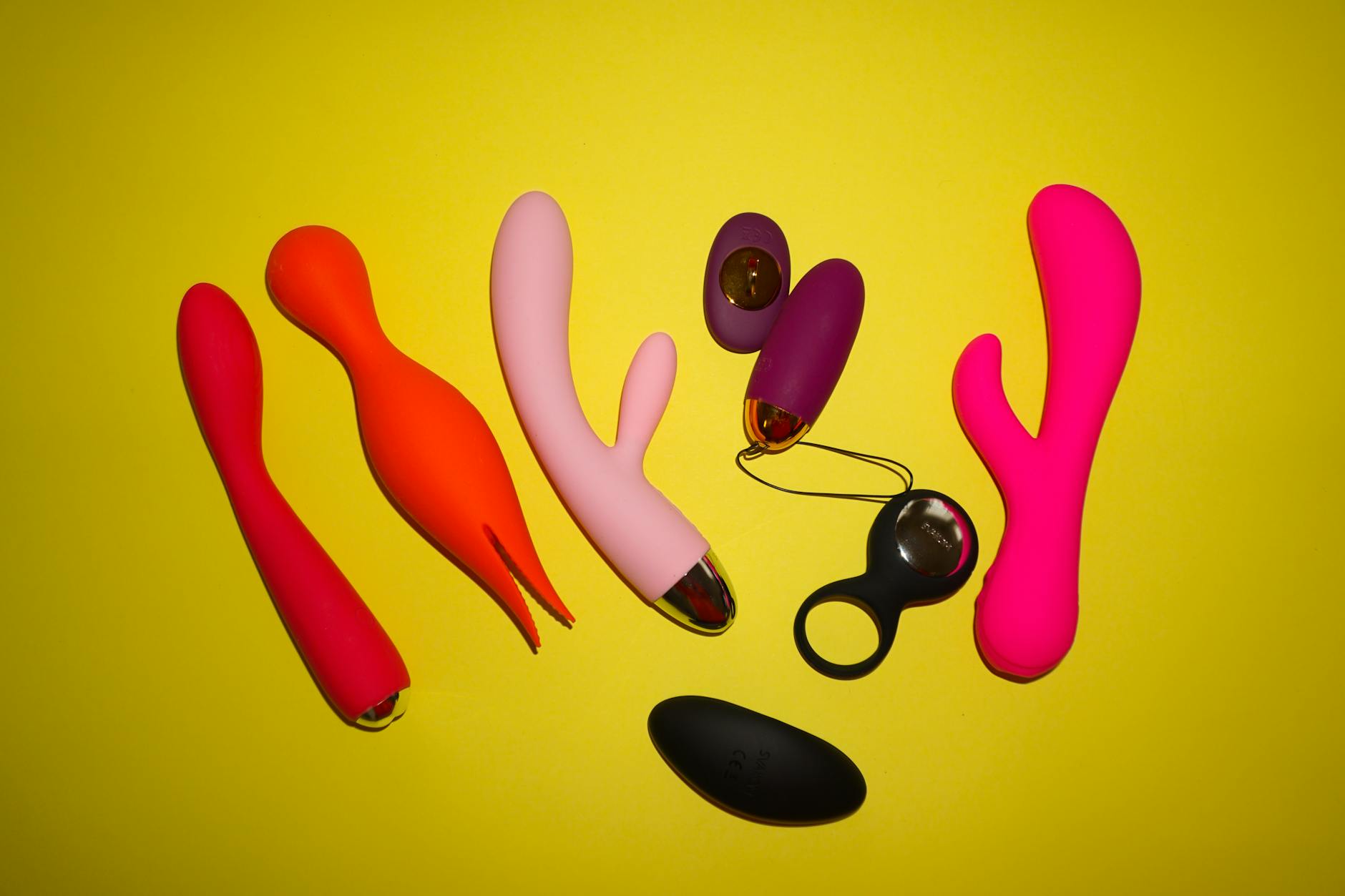
Photo by FounderTips on Pexels
The four-week reintroduction protocol
Week One: Sensation mapping. Use your lemon vibrator with zero expectation of orgasm. This is about information, not performance. Spend 10-15 minutes alone exploring what settings feel interesting versus numb versus uncomfortable. You're not chasing pleasure yet. You're just noticing what your body can actually feel.
Week Two: Finding your pattern. By now you know which setting or rhythm doesn't feel overwhelming. Use that. Don't upgrade to a faster pattern just because you think you should. Consistency matters more than intensity when you're rebuilding.
Week Three: Adding intention. This is when you might notice the first real spark of arousal. Don't panic if you don't. Some people take longer. But if something shifts, lean into it. Add a few minutes of slower exploration before the lemon vibrator. Let your body warm up on its own first.
Week Four: Integration. If you have a partner, this is when you might introduce them to what you're learning. Not as performance. As information sharing. "I discovered that setting 2 feels good" is radically different from "why don't you ever touch me." One is about curiosity. The other is blame.
The most common blocker and how to move through it
About halfway through this process, people hit a wall. The sensation starts coming back, but it feels weird or wrong or like they're somehow betraying their partner by exploring solo. That's grief. You're grieving years of disconnection.
This is actually progress. Numbness is easier than feeling something and knowing you've been distant from it. Let yourself feel sad about the time lost. That's the work that actually heals.
Using a lemon vibrator isn't about escaping your relationship. It's about reclaiming your own body so you can bring a whole person to the partnership instead of a ghost version of yourself. Your partner wants you back. That starts with you wanting you.
When to talk to your partner (and what to actually say)
There's a conversation buried in this process, and it needs to happen carefully. Most people wait too long because they're afraid of the response.
Here's what works: bring it up when you're clothed, calm, and not during sex. "I've realized that my desire has been disconnected for a while, and I want to rebuild that. I'm going to explore some things on my own for a few weeks. This isn't about you. It's about me remembering what I like." That's it. No apology, no explanation, no waiting for permission.
If your partner gets defensive, that's information too. It might mean they're carrying shame about the disconnection. It might mean they're scared of change. But those are their feelings to work through, not yours to manage by staying numb.
The difference between solo exploration and partnered reconnection
Solo play and partnered sex use different parts of your brain. Solo play is about self-knowledge. Partnered sex is about vulnerability with another person. You need the first one solid before the second one works.
Once you know what your body responds to alone, sex with a partner becomes possible again because you're not waiting for them to figure you out. You can actually guide them. You can say yes to things that feel good instead of just tolerating whatever happens.
This is where lemon vibrators become useful in partnered sex too. They don't replace your partner. They clarify what you want so your partner knows how to touch you. That's the opposite of distance. That's intimacy.
When you're rebuilding and nothing feels like enough
Sometimes people finish this four-week process and still feel flat. This can happen if the low desire had a medical cause (medication, hormones, thyroid) that's still active. It can also happen if there's relationship pain running deeper than you realized.
If this is you, get blood work done. Talk to a therapist. The lemon vibrator can't fix everything, but it can tell you whether the problem is physical numbness or emotional disconnection. Pay attention to that signal.
What pleasure actually feels like when it comes back
Here's what my clients tell me. When desire starts returning after years of dormancy, it doesn't feel like it did before. It's often quieter, more specific, less urgent. You might not want sex all the time. You might discover you want it solo more than partnered, or in very specific ways.
That's not broken. That's just who you are when you're not running on fumes.
You might discover that what worked for you at 28 doesn't work at 45. You might find you want more tenderness or less conversation or exactly the kind of focused, pressure-free sensation that a lemon clitoral vibrator provides. That's self-knowledge, not failure.
FAQ: Rebuilding desire after years of low libido
How long does it actually take to feel desire again after years of low libido?
Everyone's timeline is different, but most people notice some shift in sensation within two to three weeks of consistent exploration. Real desire usually takes four to eight weeks. The key is consistency, not intensity. Using your lemon vibrator twice a week for six weeks works better than obsessing over it daily for two weeks.
Is it normal to feel guilty using a vibrator when I'm in a relationship?
Completely normal, and completely unnecessary. Solo exploration isn't infidelity. It's therapy. You're rebuilding a relationship with your own body. That actually improves partnered sex because you stop resenting your partner for not knowing what you need. You know it yourself.
What if I use the lemon vibrator and still feel completely numb?
Numbing can be psychological or medical. If you're feeling nothing at all after three weeks of gentle exploration, check with your doctor first. Low sensation can come from medication, thyroid issues, diabetes, or reduced blood flow. Once medical stuff is ruled out, a therapist can help you explore whether there's emotional blocks. Sometimes we keep ourselves numb because feeling anything at all feels dangerous.
Can I use a lemon vibrator with my partner if I've been using it solo?
Yes, absolutely. In fact, it often works better with a partner once you understand what the different settings feel like. You can guide them. You can use it while they touch you elsewhere. You can stop and start whenever you want. Solo exploration just gives you the vocabulary to communicate what you want.
What if my partner gets jealous or upset that I'm using a toy?
That reaction usually means something deeper is going on. Maybe they feel like the disconnection is their fault. Maybe they're worried you'll want them less. Those are conversations worth having, ideally with a couples therapist. But your right to explore your own body doesn't go away because someone's uncomfortable. Their discomfort is theirs to work through.
How do I know if this is about desire returning or just going through the motions?
Real desire feels different from obligation. When genuine sensation is coming back, you'll notice you're thinking about it sometimes without planning to. Not obsessively, just... your body remembers it can feel good. You'll also notice wanting to touch yourself, not because you should, but because you want to. That's the signal you're looking for.
The one thing to remember when you're starting over
Yours is not a broken desire. It's a paused one. That pause probably protected you from something at some point. Your body was doing its job. Using a lemon vibrator and exploring sensation again is not about erasing the past. It's about gently telling your nervous system that it's safe to feel again.
That takes time. It takes patience with yourself. And it works best when you're exploring for you, not for anyone else. Your pleasure matters. If it hasn't mattered in a while, maybe that's what actually needs to come back first.