Let's start with what nobody talks about
Emotional distance doesn't just hurt your relationship. It kills sensation. Your nervous system is not stupid. If your brain is telling your body that this person is unsafe, emotionally absent, or unreliable, your body stops responding. Period. You can have the most expensive lemon vibrator in the world, and it will feel like holding a phone on vibrate mode. That's not brokenness. That's your body protecting itself.
Here's what I see most in my practice: women come in saying they've "lost" sensation, that vibration feels numb, that they can't reach orgasm anymore. We dig into the timeline, and almost every time, there's a correlation with relational withdrawal. A partner who became emotionally unavailable. Months of conflict that never resolved. Sex that felt obligatory instead of mutual. The sensation didn't actually disappear. It went into hiding.
The good news: it can come back. But not the way you think. And not with the tool you've been using.
Why numbness happens neurologically
Your clitoris has about 8,000 nerve endings. But the signal has to travel through your nervous system, up your spinal cord, and land in your brain for you to actually feel it. If your brain is in a state of hypervigilance, emotional disconnection, or freeze (all common responses to relational distance), that signal gets intercepted. Your brain is essentially saying: "We're not safe enough to feel pleasure right now."
Traditional vibration is a blunt-force stimulus. It's fast, repetitive, and requires sustained arousal to feel good. If your nervous system is already contracted, vibration can feel like noise. It doesn't penetrate the numbness because the numbness is actually your nervous system doing its job.
Suction stimulation works differently. Instead of asking your nervous system to speed up and intensify, suction creates a gentle, pulsing sensation that can wake up nerve endings that have gone dormant. It's less demanding neurologically, which means your system doesn't have to fully relax to feel something.
What lemon clitoral vibrators actually do differently
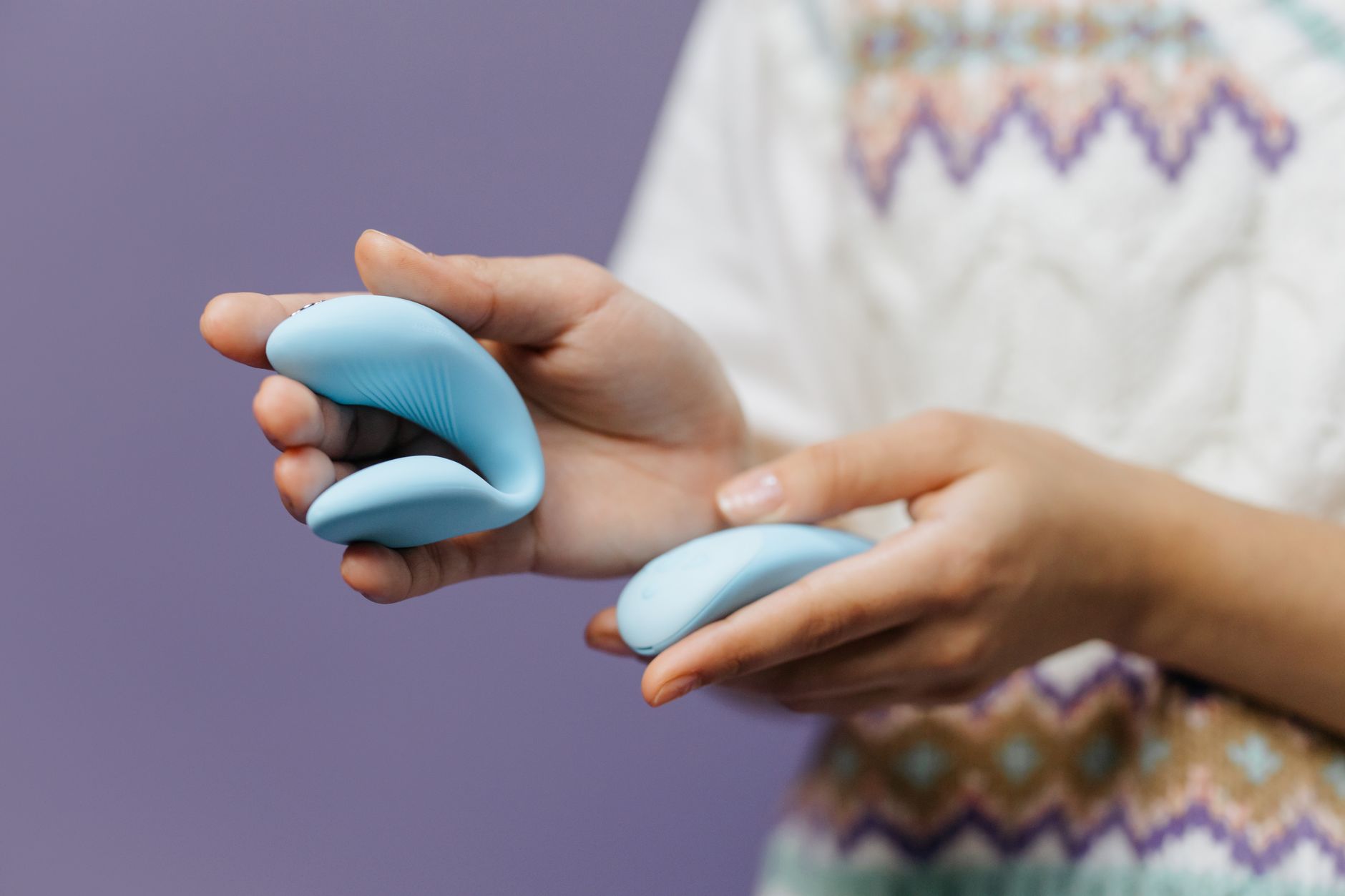
The Lemon vibrator and similar suction-based clitoral vibrators use gentle air pulse technology instead of traditional vibration. This matters enormously when sensation is numb. Here's why:
Traditional vibrators create numbness through adaptation. Your nerve endings get used to the same frequency and amplitude, so they stop responding. You chase higher intensities, which makes the problem worse. It's like listening to the same song on repeat until you stop hearing it.
Suction creates a different kind of stimulation. The sensation is more diffuse, more three-dimensional. It feels like suction and release, pressure and release, rather than constant buzzing. Your nerve endings don't adapt as quickly because the stimulus is more varied naturally.
More importantly: suction requires less genital arousal to feel good. With traditional vibration, you often need to already be turned on for it to register. With suction, you can start lower and build slowly. That's crucial when emotional distance has made your baseline arousal nearly zero.
Rebuilding sensation after emotional rupture
Here's what actually works, step by step.
First: start with your body, not your partner. Solo exploration is not a detour from your relationship healing. It's essential information gathering. You need to find out what your body is capable of feeling when the relational context is removed. This isn't cheating or avoidance. This is gathering evidence that sensation is still in there.
Second: lower your expectations for arousal. You're probably expecting to feel the old way, and when you don't, you're calling it broken. That's not accurate. You're in a different nervous system state. Start with zero expectation of orgasm. The goal is to feel any gentle sensation returning.
Third: use the Lemon vibrator on the lowest setting, 15-20 minute sessions, 3-4 times weekly. Not to chase orgasm. To rebuild the pathway between touch and feeling. Start with two minutes of just holding it against you without any motion. Let your nervous system recognize that touch is safe. Then try the gentlest pulse pattern for 3-4 minutes. Rest. Notice. Repeat.
Fourth: approach it like meditation, not a performance. The moment you think "I should be feeling more by now," your nervous system tenses again. You're looking for the smallest sensation returning. Tingling. Warmth. A subtle pulse. That's progress. That's the rewiring happening.
What changes when the relationship dynamic shifts
Here's the thing I tell all my couples: you cannot pleasure your way out of an emotional problem. If the emotional distance hasn't been addressed, you can use any lemon sexual toy and it will still feel like going through the motions.
But if you've started the actual relational work—if you've had the hard conversations, if your partner has shown up differently, if there's genuine reconnection happening—then you add the physical pleasure work on top of that. The body responds fastest when both the emotional and physical conditions exist.
Sometimes couples find that introducing a lemon clitoral vibrator during partnered sex actually helps rebuild emotional presence. It can shift the dynamic from "we're doing this because we're supposed to" to "we're exploring this together." That collaborative element, that novelty, can snap both people out of the autopilot pattern.
But that only works if the emotional distance is actually being addressed. If it's not, the vibrator becomes another thing you're both pretending to enjoy.
When to see a therapist instead of (or alongside) a sex toy
I want to be clear: sensation returning is not the same as the relationship being healed. Sometimes numbness is telling you something important about whether this partnership is actually safe or worth staying in. Those are different conversations.
If the emotional distance is caused by ongoing betrayal, contempt, or your partner's refusal to engage in repair, no vibrator will fix that. That's a relationship issue, not a pleasure issue.
If emotional distance came from a specific rupture that both of you are working to repair, then yes, rebuilding physical sensation alongside emotional reconnection makes sense. But it's the relational work that matters. The toy is supplementary.
The suction advantage when numbness is deep
Why not just push through with a regular vibrator? Because pushing through is exactly what created the problem. Your nervous system learned that you can't trust your body's signals. You pushed through emotional disconnection. You pushed through feeling unsafe. Of course sensation went dormant.
Suction feels gentler, less demanding, less like forcing something. It gives your nervous system permission to gradually return to pleasure without having to white-knuckle through arousal.
Many people find that after 4-6 weeks of gentle suction exploration, sensation starts returning. Not back to baseline immediately. But returning. Enough to feel like reconnection is possible. Enough to feel like your body is coming back online.
FAQ: Rebuilding sensation after emotional distance
Can a lemon vibrator actually help if the relationship hasn't improved?
Yes, but only for gathering information about your own pleasure capacity. Using a lemon clitoral vibrator solo can help you understand whether numbness is relational or physical. If sensation returns when you're alone but vanishes with your partner, that's critical information about what's actually broken. It's usually the relationship, not your body.
How long does it take for sensation to come back?
It varies, but 4-8 weeks of consistent, low-pressure exploration is typical. Some people feel the first tingle of return within 2-3 weeks. Others take longer. The key is consistency without obsession. You're not forcing it. You're creating conditions for it to return.
Is suction stimulation better than vibration for emotional numbness specifically?
Yes, for most people. Suction is gentler, less demanding neurologically, and doesn't trigger the same adaptation response. But the real variable is your nervous system state. If the relationship work hasn't happened, even the best lemon adult toy will feel meh.
What if I've done the relational work but sensation still isn't back?
Then there might be other factors: unprocessed trauma, medication side effects, or a different physical issue that needs evaluation. That's when a conversation with a gynecologist or sex therapist trained in somatic work becomes valuable. Sometimes the body needs more time. Sometimes it needs different support.
Can I use a Lemon vibrator with my partner if sensation is numb?
Absolutely. In fact, introducing a lemon clitoral vibrator into partnered sex can help you both break the autopilot pattern. It signals: "We're doing this differently now. We're being curious together." Just make sure the emotional reconnection is actually happening alongside the physical experiment.
Should I tell my partner that sensation is numb?
Yes. Especially if you've been faking it or pushing through. Most partners don't know, and when they find out later, it deepens the breach. Being honest about where you are—"I've felt disconnected, and physically that's showing up as numbness. I want to work on this together."—is part of the repair itself.
The real work
Let me be direct: sensation returning isn't the finish line. It's just evidence that your nervous system is beginning to trust again. Real pleasure, sustained pleasure, the kind that deepens over time, comes from emotional safety. It comes from being seen and valued and desired for who you actually are.
A lemon vibrator can help your body remember what pleasure feels like. But only you and your partner can create the conditions for it to flourish.
Start with your own nervous system. Give it time. Give it gentleness. Notice when sensation returns, even in tiny amounts. That's your body saying: "It's safe to feel again." Listen to it.
Then decide what comes next.
References
- Nagoski, E. (2015). "Come As You Are: The Surprising New Science That Will Transform Your Sex Life." Simon & Schuster.
- van der Kolk, B. (2014). "The Body Keeps the Score: Brain, Mind, and Body in the Healing of Trauma." Viking.
- Gottman, J. M., & Silver, N. (2015). "The Seven Principles for Making Marriage Work." Harmony.
- Komisaruk, B. R., et al. (2006). "The Orgasm Answer Guide." Johns Hopkins University Press.