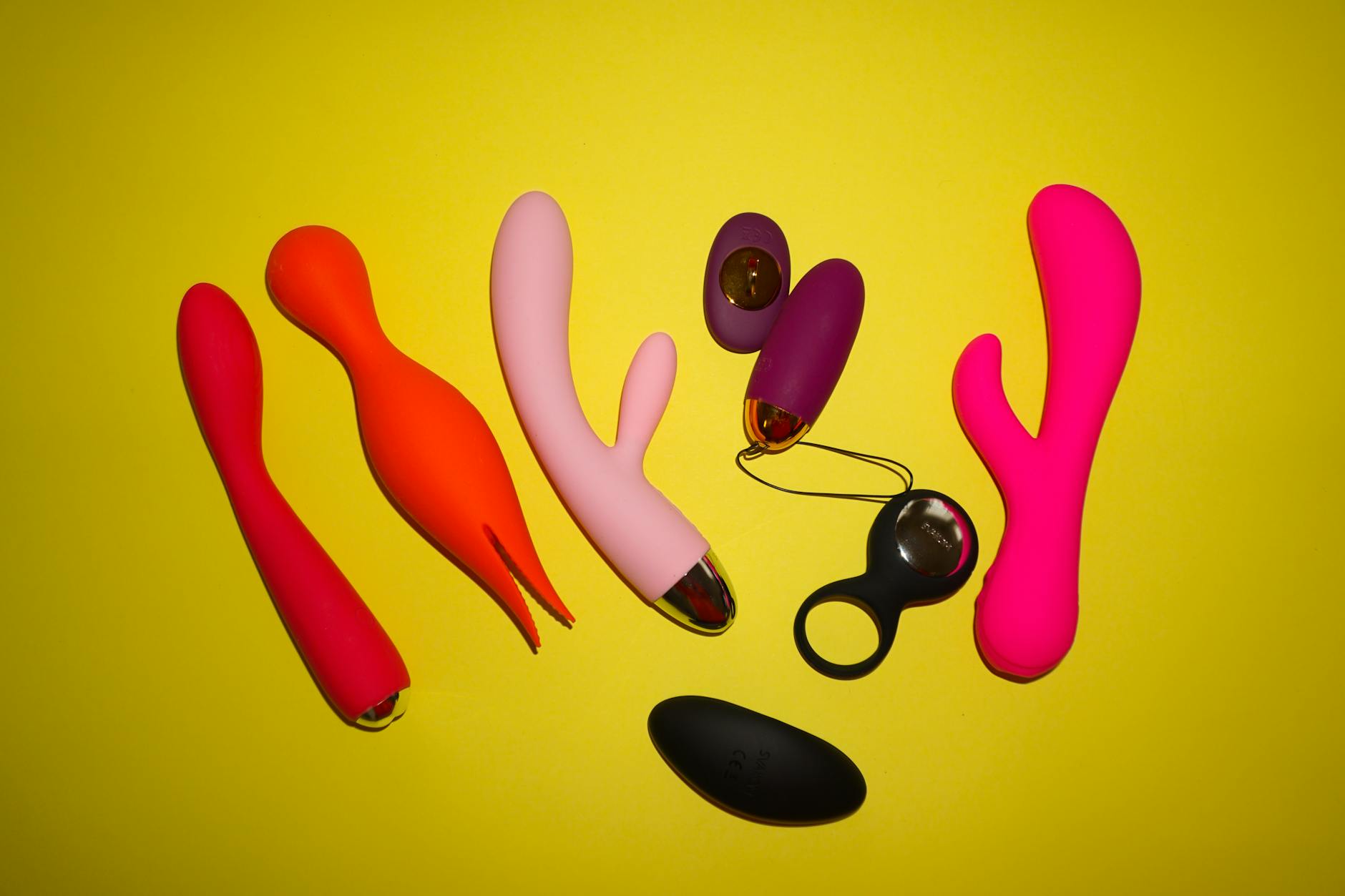
Let's talk about reclaiming pleasure on your own terms
Sexual trauma rewires the nervous system. Touch that once felt neutral now triggers fight or flight. Arousal itself can feel dangerous because arousal was the state you were in when control was taken from you. This is not weakness. This is how the body protects itself.
The good news: healing happens incrementally, and tools like a lemon vibrator become part of that process precisely because they put control entirely in your hands. Not metaphorically. Literally.
Why traditional vibrators can feel unsafe after trauma
A traditional vibrator buzzes on a preset rhythm you can't interrupt without stopping completely. That constant stimulation, even pleasurable, can feel like something happening to you rather than something you're doing to yourself. For trauma survivors, that distinction is everything.
Lemon vibrators use suction technology instead of vibration. Here's why that matters: suction creates a seal you control with pressure. It's responsive to your micro-adjustments. If something shifts and you need lighter touch instantly, you shift your angle. No hunting for a button. No lag between your nervous system saying "ease off" and the sensation changing.
This responsiveness is the foundation of safety. Your body learns: I can change this. I can stop this. I am choosing this.
Building a grounding ritual before you begin
Trauma survivors often report that pleasure arrives with a flash of panic. The brain is trying to protect you, flagging arousal as dangerous even though you're completely alone and in control. Grounding techniques interrupt that panic spiral before it derails the experience.
Try this sequence before reaching for your lemon vibrator:
1. Name five things you can see. Not poetically. Literally. Lamp. Pillow. Wall. Door. That's four. Find one more. This anchors you in present time and space, not in the memory.
2. Feel your feet. Press them into the floor or bed. Feel the weight of your body where it's supported. This is called "tension and release." You're reminding your nervous system that you're here, you're held, you're safe.
3. State your intention aloud. "I'm choosing this. This is for me. I can stop anytime." Saying it out loud is neurologically different from thinking it. The auditory loop reinforces the message.
4. Notice your breath without changing it. Two minutes. In and out. Observation, not control. Control is your goal, but forced breathing can backfire for trauma survivors because force itself can trigger.
Then, and only then, reach for your vibrator.
Sensation mapping: starting smaller than you think
Honestly, don't aim for orgasm on day one. Or day ten. Orgasm is the destination trauma survivors don't need to chase right now. Sensation without outcome is the work.
Start with the lowest settings on your lemon vibrator. Not because low is weak, but because low lets your nervous system adjust in microdoses. Many people move immediately to intensity 4 or 5. Resist. Spend sessions at intensity 1 and 2 just learning what your body can feel without judgment.
Try these approaches:
Non-genital first. Explore sensation on your forearm, your inner wrist, your collarbone. Your genitals carry memory and fear. Wrists don't. Once your brain learns that suction stimulation is actually pleasant and you're in control, genital exploration feels less loaded.
Interrupted sessions. Use your lemon vibrator for two minutes. Stop. Notice what you feel. No pressure to continue. Two minutes the next day. Three the day after. Your system learns that arousal can start and stop safely, without completion being mandatory.
Consent role-play, solo. This sounds strange. It works. Before you touch yourself, actually ask out loud: "Is this okay right now?" And listen for your answer. Trauma fragments consent into something that happened to you. This rebuilds it as something you grant yourself.
When flashbacks interrupt the moment
They will, sometimes. This is not failure. This is recovery in action.
If a flashback arrives while you're using your vibrator, you have three immediate options:
Option 1: Stop immediately. Put your lemon vibrator down. Full stop. Your body needed to pump the brakes and that's the only information that matters right now.
Option 2: Change what's happening. Move to a different position. Change the setting on your vibrator. Switch hands. Anything that makes the present moment clearly different from the memory. Sometimes your body just needs a novelty redirect.
Option 3: Grounding in the moment. If stopping feels wrong, ground harder. Name what's true right now: "I'm in my bedroom. It's April 2026. I'm alone. I chose this." Hand on your chest. Feel your heartbeat. Stay connected to your body as yours, in this moment.
Afterward, give yourself actual rest. Trauma recovery is not about pushing through. It's about proving to your nervous system that you can begin again tomorrow.
Partner involvement: how to ask for what you need
If you have a partner, they need to understand that your lemon vibrator is not a supplement to them. It's a tool for your autonomy. The language matters.
Instead of: "I need to use a vibrator because you don't..."
Try: "I'm rebuilding my relationship with pleasure. I need to spend time exploring what feels safe and good to me, alone. When I'm ready to share that with you, I'll tell you."
Most partners of trauma survivors actually want to help. They just need clear direction. What helps: curiosity without pressure. "Tell me what you're learning about your body." What doesn't help: expecting to be included immediately. That's your timeline to set.
If your partner struggles with this, that's worth addressing with a trauma-informed therapist together. Your healing shouldn't require defending your autonomy.
The physical difference between suction and vibration
Lemon vibrators feel genuinely different because they are. Suction stimulates the same nerve clusters as traditional vibration but without the desensitizing buzz. For trauma survivors, this matters because desensitization can feel like control being taken away again. "I'm feeling less." "I'm numb." These feelings can retrigger.
With suction, many trauma survivors report that sensation feels more integrated. Less like something overwhelming you, more like something you're inviting in.
Start at setting 1. Spend full sessions there. Most people eventually move to 2 or 3. Some never leave 1 and that's perfectly fine. There's no right intensity level. There's only the intensity level that feels like pleasure without intrusion.
Aftercare is not optional
After you use your lemon vibrator, your nervous system has just completed something vulnerable. It doesn't matter if you orgasmed or didn't. You opened yourself to sensation, which is an act of courage.
Give yourself 10 minutes of genuine aftercare. Not distraction. Not "move on with your day." Actual care.
Options: wrap yourself in a blanket. Drink water slowly. Write three sentences about how your body feels right now. Pet a dog if you have one. Listen to music you love. Do something that says to yourself: "You did something hard today and you did it safely."
This sounds soft. It's actually essential. Aftercare teaches your body that opening up doesn't lead to harm. It leads to comfort. That's how trust rebuilds.
Measuring progress in ways that matter
Don't measure by orgasm frequency. Don't measure by how long you lasted or what intensity you reached. Progress looks like:
You use your lemon vibrator without panic afterward. You feel the difference between your own touch and the vibrator's and both feel like yours. You can name one sensation that felt good without equivocation. You ask for what you need and don't apologize. You recognize arousal in your body and it doesn't feel like danger anymore.
These are small. They're also everything.
When to seek additional support
If flashbacks are constant, if you feel numb no matter what intensity you try, or if pleasure still arrives wrapped in shame after several months of practice, talk to a trauma-informed therapist. Some people need EMDR or somatic experiencing therapy alongside their solo exploration. That's not a failure of the vibrator or of you. That's honoring how complex the work is.
Your healing timeline is not on anyone else's schedule. Your lemon vibrator is not going anywhere. Neither are you.
FAQ
Can I use a lemon vibrator if I'm still in active trauma recovery therapy?
Yes. Actually, many trauma-informed therapists encourage it because you're in control of the pace and sensation. Just mention it to your therapist so they know what's happening. They might offer grounding techniques specific to your situation. The more your therapeutic team knows, the better they can support you.
What if suction stimulation triggers me when vibration doesn't?
Everyone's nervous system is wired differently. If suction creates discomfort, go back to gentle vibration at the lowest setting. Or skip toys altogether for now and explore manual touch. There's no badge for using a specific tool. The goal is pleasure on your terms.
How long until trauma doesn't affect my arousal?
Honestly? It's not linear. Some days you'll feel completely free. Other days something small will trigger a memory and you'll need to ground again. Healing doesn't mean forgetting or returning to the way you were before. It means building a new relationship with your body where pleasure is possible alongside the memory.
Can I use my lemon vibrator with a partner once I'm ready?
Absolutely. And you can also keep solo exploration separate. Many trauma survivors find that their solo practice and partnered sex remain intentionally different for years. Both are valid. You're not obligated to integrate them or prove your healing by involving a partner.
What if I don't orgasm with my lemon vibrator?
That's fine. Orgasm is not the measure of successful pleasure. Some trauma survivors report that orgasm feels unsafe even after years of healing. Some find it again. Some discover that non-orgasmic pleasure is deeply satisfying. If you're feeling sensation, if you're not in panic, if you're choosing the experience: you're doing it right.
Is it normal to feel sleepy after using my lemon vibrator?
Very normal. Pleasure activates the parasympathetic nervous system, the same branch that manages rest and recovery. Your body might interpret arousal and release as a signal to sleep. Some days you'll feel energized. Other days you'll want a nap. Both are healthy responses.
Your body is learning something new: that safety and sensation can coexist. That's profound work, and rest is part of it.
Moving forward
Recovery from sexual trauma is not linear, not fast, and not something you should do alone if professional support is available. Your lemon vibrator is one tool in a larger toolkit that includes therapy, grounding practices, and patience with yourself.
Pleasure is your birthright. Getting it back takes time. You're worth that time. If you need to talk through your specific situation or have questions about your healing journey, reach out. That's what we're here for. Contact us anytime.