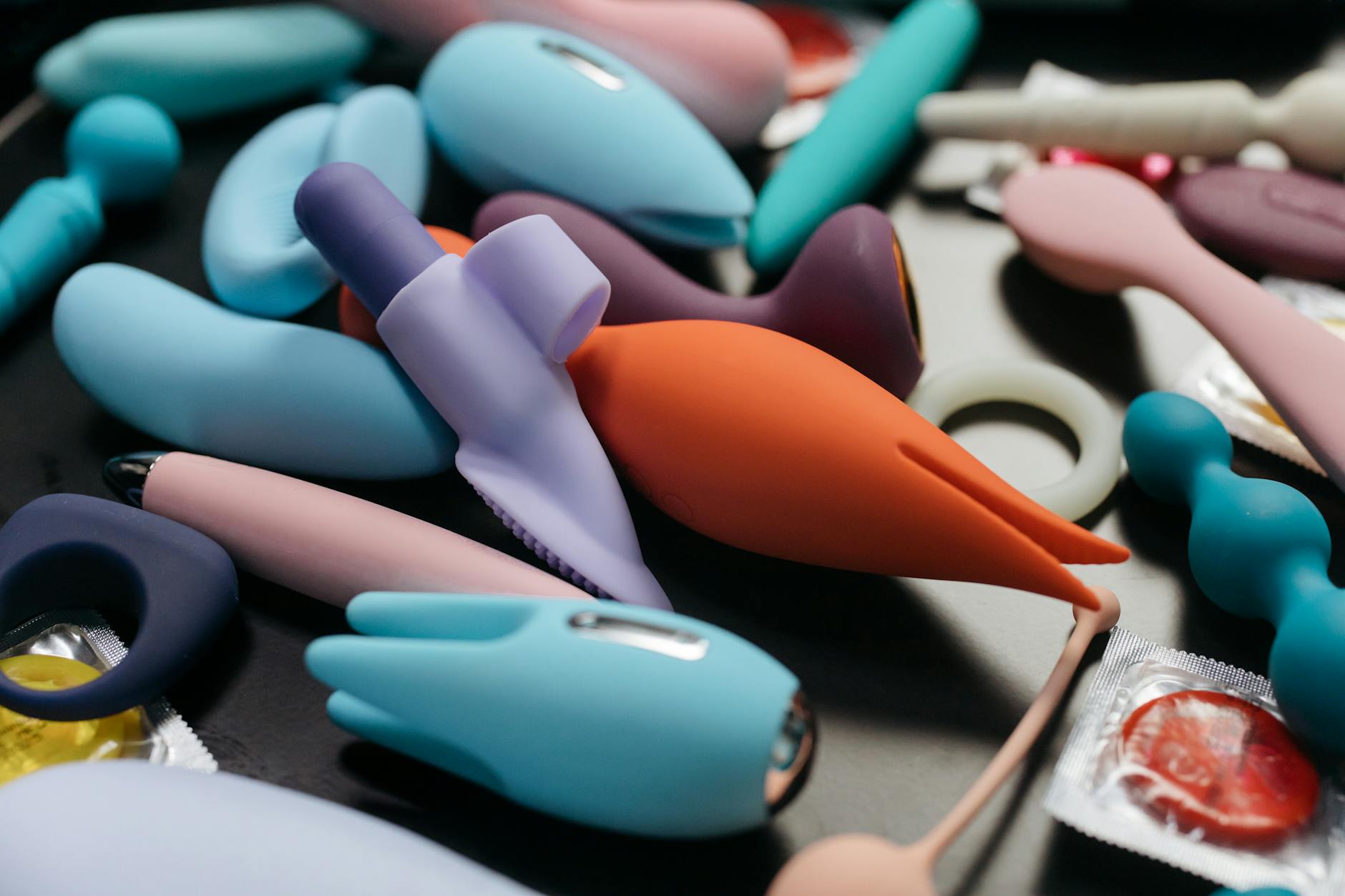
Here's the thing about switching vibrators
If you've spent years with a traditional vibrator, a lemon clitoral vibrator doesn't feel like an upgrade. It feels like a completely different device. And that's exactly what it is. Suction and oscillation activate different nerve endings, trigger different reflex patterns, and often require you to unlearn years of muscle memory around what creates orgasm. That's not a flaw in the lemon vibrator. That's actually the whole point.
The transition period usually lasts between three to seven sessions. Most people hit the "oh, I get it now" moment somewhere in the middle of that window. But only if you go in with realistic expectations about what's going to feel strange, boring, or even mildly frustrating before it clicks.
Why suction feels so different than vibration
A traditional vibrator works through rapid oscillation. Thousands of vibrations per second create a buzzing sensation that builds cumulative stimulation. Your body learns to recognize that specific speed and rhythm as the pathway to orgasm. The clitoral nerve responds to that repeated, consistent microvibration, and pleasure builds in a predictable way.
A lemon clitoral vibrator works through pneumatic suction. Instead of buzzing, it creates gentle suction and release cycles that stimulate the entire clitoral structure, not just the surface. This means the sensation is more enveloping, less pointed. It's not building in the same linear way. It's pooling.
Your brain doesn't have years of pattern recognition for this yet. So the first few times you use a lemon vibrator, your nervous system might interpret the feeling as interesting but not quite right. That's not wrong. That's actually a sign the device is working on an entirely different system.
The mistake people make on day one
Almost everyone does this: they use the lemon vibrator the way they'd use their old vibrator. That means high intensity, focused movement, trying to recreate the exact rhythm that always worked. Then they feel nothing, or something uncomfortably numb and unfamiliar. They assume the lemon vibrator doesn't work for them and go back to what they know.
Don't do that. Instead, start at pattern one on the lowest intensity setting. Spend a full session just getting used to how the suction feels against your skin. Not trying to orgasm. Just noticing. Let your body collect data.
This step matters because suction requires a slightly different angle and pressure than traditional vibration. You need the seal to feel right for the sensation to work. That takes adjustment.
The technical adjustments
Three things change when you're using a lemon clitoral vibrator instead of a traditional one.
1. Positioning. With a traditional vibrator, you can keep moving and maintain contact. Suction requires more stillness. Angle the device so the opening creates a full seal against your clitoris, then let the suction do the work. If you're moving it around trying to find a rhythm, you'll break the seal constantly and lose the sensation entirely.
2. Pressure. Traditional vibrators benefit from firmer contact. With a lemon vibrator, gentle contact is actually better. Let the suction pull slightly rather than pressing the device hard against your body. It feels counterintuitive if you're used to needing pressure to feel anything.
3. Speed ramp. Don't start high and expect it to work the same way. Start at pattern one, stay there for two to three minutes, then move to pattern two. Let your nervous system adjust to each level before escalating. You're retraining your body's pleasure response, not racing to an outcome.
The mental barrier that keeps people stuck
Honestly, the hardest part of this transition isn't physical. It's psychological. You've trained yourself to expect pleasure to feel a certain way. When it suddenly feels different, your brain reads that as wrong instead of just new. That's a powerful signal to override, especially when you're already vulnerable and focused on sensation.
The fix: deliberately separate trying to orgasm from getting used to the device. Pick two or three sessions where your only goal is to explore what the sensation feels like. Not whether it gets you off. Not whether it's better or worse. Just what does this feel like in my body.
Once your nervous system has collected enough data and stopped treating the sensation as a threat or anomaly, the pleasure usually shows up on its own.
Why sensitivity feels blunted at first
When you switch from a traditional vibrator to a lemon clitoral vibrator, the sensation often feels softer or less intense. This doesn't mean you're less sensitive or that the device is weaker. It means you're comparing it to the specific type of stimulation your body has become highly attuned to.
Think of it like moving from coffee to tea. Tea isn't weak. It's just not caffeinated in the same way. Your body recognizes caffeine and responds to it immediately. Tea works through different compounds that take longer to register.
Suction-based stimulation activates deeper nerve clusters and creates a different kind of pressure in the pelvic floor. That deeper activation often leads to more full-body pleasure and deeper orgasms, but it doesn't feel as immediately intense on first contact. Give it two to three sessions before you decide if it's working for you.
The transition timeline that actually works
Here's what I typically recommend to people making this switch:
Session one and two: Lowest intensity, shortest patterns. No expectations around orgasm. Just data collection. Ten to fifteen minutes maximum.
Session three and four: Same intensity. Try the medium patterns if the lowest ones feel too soft now. Start to notice if anything is building.
Session five and six: If something's building, you can escalate intensity or pattern. If nothing's happening, stay the same but extend the session to twenty minutes. Your body needs time to learn.
Session seven and beyond: By now, most people have found at least one pattern and intensity level that creates clear sensation. This is when you can experiment with variability and rhythm the way you do with a traditional vibrator.
If you hit seven sessions with zero sensation building, the device might genuinely not be your thing. But most people hit an "oh, that's working" moment somewhere between sessions four and six.
Combining the lemon vibrator with what you already know
You don't have to abandon traditional vibrators to explore a lemon clitoral vibrator. Actually, using both can speed up the learning curve. Here's how:
Start with your traditional vibrator at medium intensity for five to ten minutes. Let your body warm up and your nervous system activate. Then switch to the lemon vibrator at its lowest setting. Your body is already primed for pleasure, so you're less likely to interpret the suction as strange or uncomfortable. The transition feels less jarring.
After a few sessions of combining them this way, your body starts to recognize suction as a legitimate pathway to pleasure on its own. Then you can use the lemon vibrator solo.
When to know it's not working
Most people eventually click with a lemon vibrator. But sometimes you genuinely don't, and that's valid. The signs that this particular device isn't for you are usually:
Zero physical response after seven to ten sessions. Not reduced response. Zero. No building sensation, no tingling, no deepening of arousal.
Physical discomfort or pain during use. Suction shouldn't hurt. If it does, either your positioning is off or your tissue needs more lubrication or recovery time.
Active discomfort with the sensation itself even after multiple sessions. If it consistently feels unpleasant rather than unfamiliar, trust that.
Some bodies simply respond better to other types of stimulation. That's not a problem. The goal isn't to force yourself into using a lemon vibrator. The goal is finding what actually creates pleasure for you. Sometimes that's a lemon clitoral vibrator. Sometimes it's a traditional vibrator. Sometimes it's a completely different approach altogether.
The moment you'll know the switch worked
Most people describe it as a shift in recognition rather than a sudden jolt. You're using it, and instead of thinking "this is interesting but not quite right," you think "oh, I know what this is doing now." Your brain stops resisting the sensation and starts anticipating it. That's the moment the transition is actually complete.
After that, pleasure usually escalates quickly. Your nervous system has finally built the pattern recognition it needs. The lemon vibrator stops feeling foreign and starts feeling like part of your normal toolkit.
If you've been stuck with a traditional vibrator because you didn't know anything else existed, this transition period is worth the patience. On the other side, you usually find a type of pleasure that feels less predictable and more dynamic than what you've been used to. That's not true for everyone. But it's true often enough that it's worth the experiment.
People also ask
How long does it usually take to adjust to a lemon vibrator from a traditional vibrator?
Most people adjust within three to seven sessions. That's not overnight, but it's not a months-long process either. Some people hit their groove by session two. Others take ten sessions. The timeline depends on how attuned your nervous system is to other types of sensation and whether you're going in with realistic expectations or expecting the lemon vibrator to feel exactly like your old vibrator. Setting expectations matters more than you'd think.
Can I use a lemon clitoral vibrator if I've never had trouble with traditional vibrators?
Completely. You don't need to be having problems with traditional vibrators to benefit from adding suction-based stimulation to your routine. Some people use both. Others find the lemon vibrator offers a different quality of pleasure that they prefer. It's not a replacement. It's an option. Many people find that rotating between different types of stimulation keeps pleasure from becoming predictable or boring.
Why does the lemon vibrator feel numb compared to my traditional vibrator?
It's not actually numb. It's just activating different nerve pathways that feel less immediately intense. Your body is trained to recognize the specific buzz pattern of a traditional vibrator as the primary road to arousal. Suction takes a side road. That side road can lead to the same destination, but it doesn't feel the same along the way. Give your nervous system three to five sessions to recognize suction as a legitimate pleasure signal instead of dismissing it as unfamiliar.
Should I use lube with a lemon vibrator when I'm transitioning from a traditional vibrator?
Yes. Lubrication helps the seal stay consistent, which is crucial for suction to work properly. Use a water-based lube if you're using silicone toys. Lube also reduces any friction discomfort while you're learning how to angle the device. This is especially important if you're transitioning because your tissue might be more sensitive to the unfamiliar sensation at first.
Is there a pattern I should start with if I'm new to suction vibrators?
Start with the lowest intensity, shortest pattern cycle. Most lemon clitoral vibrators have pattern one at their gentlest setting. Use that exclusively for at least two sessions. Then try pattern two if pattern one feels too subtle. Don't jump to higher intensities or longer cycles trying to replicate what your traditional vibrator does. You're not trying to recreate that sensation. You're discovering what suction can do.
What if the lemon vibrator never feels as good as my traditional vibrator?
Then you don't have to use it exclusively. Some people prefer traditional vibrators. That's valid. Others use both depending on what they're in the mood for. The point isn't to replace what's working. The point is to know what else is available. If after ten sessions of genuine, no-pressure exploration a lemon vibrator doesn't do it for you, you can return to what does without feeling like you failed at something. Your pleasure isn't supposed to be a project.
Keep exploring
The transition from traditional vibrators to a lemon clitoral vibrator is worth the adjustment period because suction activates pleasure in ways that oscillation simply can't. But that transition only works if you give your body time to learn. Patience isn't passive here. It's active exploration. You're genuinely collecting data about how your nervous system responds to a different stimulus.
For more on exploring new sensations with your partner, check out our guide on how to use a lemon vibrator when sensation plateaus with a partner. And if you're integrating solo play back into your routine after years with a partner, this article on starting solo play after years of partnered sex might help you think through the mental side of the transition.
Your pleasure matters. That includes taking the time to discover what actually feels good for your body, not what you think should feel good or what used to feel good. A lemon vibrator might be part of that discovery. Or it might not be. Either way, you'll know.