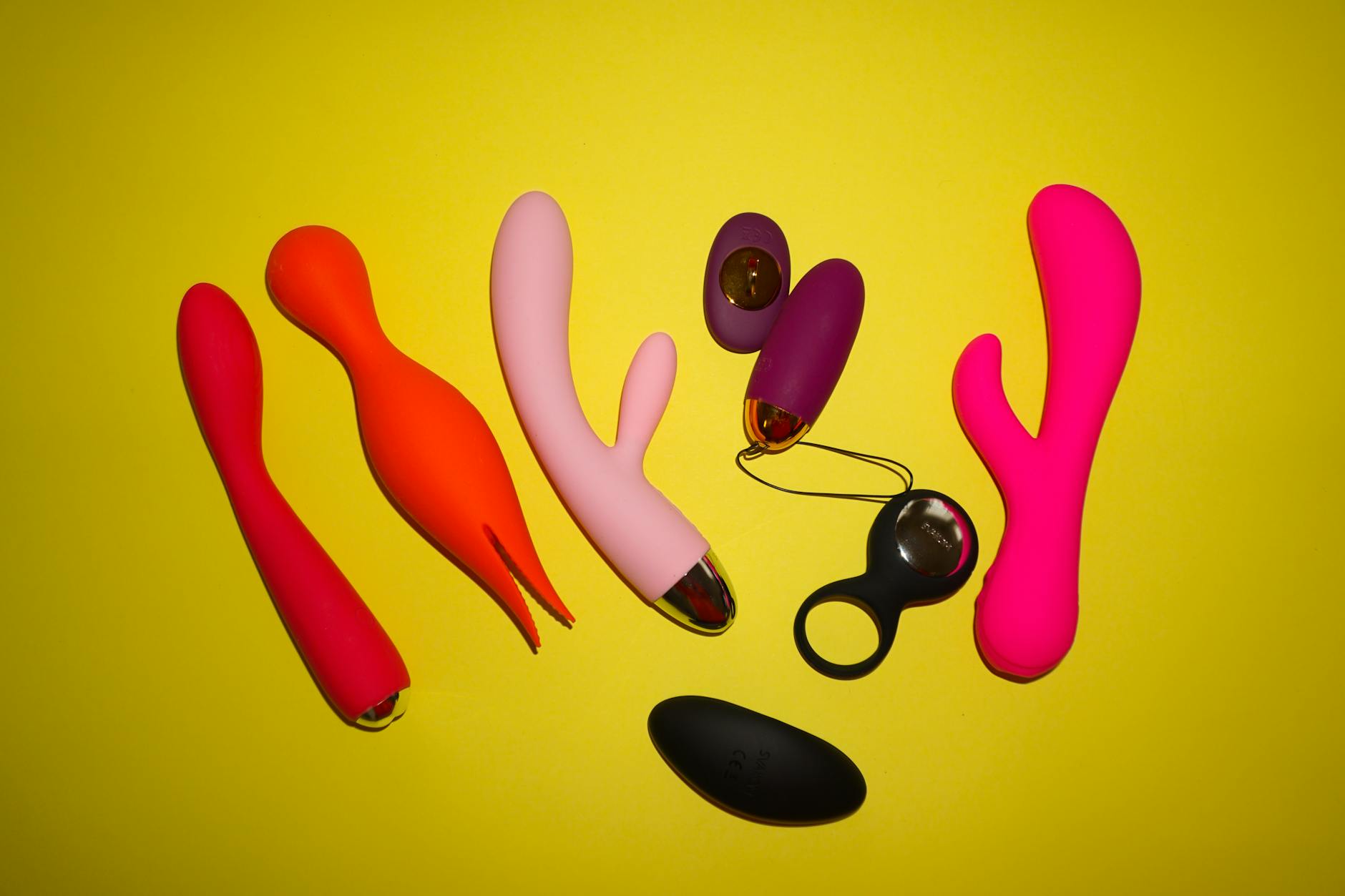
Let's start with what you're actually dealing with
Trauma lives in the body. After something bad happens, your nervous system learns to protect you by shutting sensation down, numbing touch, or making your skin feel like it belongs to someone else. Doctors call this dissociation. What it feels like is being trapped outside your own body, looking in.
Reconnecting with pleasure after trauma isn't about forcing sensation back. It's about slowly, deliberately teaching your nervous system that touch can be safe again. And that's where lemon vibrators come in.
Unlike traditional vibrators that demand immediate intensity, lemon clitoral vibrators work with a suction and pulse rhythm that's gentle, predictable, and easy to control. For a trauma survivor rebuilding their relationship with their body, those qualities matter more than power.
Why dissociation makes regular vibrators feel wrong
Here's the thing about dissociation: your body might physically respond to stimulation, but you don't feel present for it. You might feel pressure, see movement, hear the buzz, but emotionally you're somewhere else. It's like watching yourself from across the room.
Traditional vibrators often rely on high-frequency buzzing or strong, rapid vibration to create sensation. For a nervous system in protective mode, that intensity can actually trigger more dissociation. The stimulation feels too much, too fast, too unpredictable. Your body hits the brakes.
Lemon clitoral vibrators work differently. The suction-based stimulation builds sensation gradually. You choose the intensity. You control the rhythm. That controllability is huge for trauma recovery because it puts the power back in your hands.
The neuroscience of safe touch after trauma
Your vagus nerve is the main highway between your brain and body. Trauma can damage the signal. When it's working well, you feel grounded and present. When it's damaged, you feel numb or floaty.
Gentle, predictable touch activates what therapists call the parasympathetic nervous system. That's the part of your body that says "you're safe." Research shows that slow, rhythmic stimulation (particularly in the 1-3 Hz range) actually calms the amygdala, the part of your brain that processes fear.
Lemon vibrators, especially when used at lower intensities, deliver exactly that kind of stimulation. You're not chasing an orgasm. You're teaching your nervous system that sensation can feel good and safe at the same time.
How to actually start using a lemon vibrator after trauma
If you're coming back from dissociation, the goal isn't pleasure yet. The goal is presence. Here's a framework that actually works:
Step one: grounding first. Before you touch yourself, spend five minutes on a grounding practice. Hold an ice cube. Listen to a specific song. Name five things you can see. The point is to anchor yourself in the present moment. Your brain needs to know you're safe now, not in the past.
Step two: external touch only. Start with the lemon vibrator on the outer labia, not internal contact. Pattern one or two on the settings. This is not foreplay leading to sex. This is a conversation with your body.
Step three: feel, don't perform. The entire point is noticing sensation without judgment. Does it feel warm? Tingly? Numb? All of those are data. You're collecting information about what your nervous system is doing right now.
Step four: stop before you feel pressure to come. If an orgasm happens naturally, that's fine. But if you feel yourself tensing up, chasing sensation, or checking out mentally, pause. This work isn't linear. One session of 5 minutes where you felt present the whole time is better than 20 minutes where you dissociated halfway through.
Working with your nervous system's timing
Trauma recovery doesn't follow a timeline. Some days your body will feel present and responsive. Other days you'll feel completely disconnected no matter what you do. Both are normal.
The key is not pushing through numbness. Pushing is what your nervous system learned to do during the trauma itself. Healing means learning when to stop, when to rest, when to come back later.
With a lemon vibrator, that's actually easy to do. Because the suction is gentle and the intensity is controllable, you can use it as a check-in tool. Spend three minutes on low intensity just noticing what's there. If you feel present, great. If you feel numb, that's information too. You can close your legs and come back tomorrow.
Why partnered use requires different boundaries
If you have a partner, using a lemon vibrator together requires a conversation that has nothing to do with sex. You need to talk about what grounding looks like for you. What feels safe. What patterns of touch feel connected versus intrusive.
For many trauma survivors, being watched during pleasure triggers old shame or vulnerability. That's valid. You might use the lemon vibrator solo for months before you're ready to have your partner present.
If you do eventually use it together, the job of your partner is not to orchestrate your pleasure. It's to be present and attuned. To notice if you're checking out and gently ask if you want to pause. To understand that sometimes pleasure looks like you stopping, breathing, and coming back later.
This is where the work of how to use a lemon vibrator when your partner prefers not to use toys overlaps with trauma recovery. Your partner doesn't have to be involved. But if they are, they need to understand that this is about your healing, not theirs.
When to bring a therapist into the conversation
If you're working through trauma, ideally you're working with a trauma-informed therapist. Let them know you're using self-touch as part of grounding and reconnection. A good therapist won't judge this. They'll integrate it into your overall nervous system healing.
If you don't have a therapist yet, that's the priority. A lemon vibrator is a tool, not a cure. It helps you practice presence and rebuild safety in your body. But processing the actual trauma usually requires professional support.
If you've tried using a lemon vibrator and consistently feel more anxious or dissociated afterward, that's useful information. Your nervous system might need a different approach. That's not failure. That's your body telling you what it needs.
The long game: building back to sensation
Healing from trauma isn't about returning to some pre-trauma version of yourself. It's about building something new. Stronger. More informed.
Some people find that using a lemon clitoral vibrator consistently, over weeks or months, actually rewires their nervous system's response to touch. Sensation that felt numb starts to come back. Pleasure that felt impossible starts to feel possible again.
But that only happens when you're patient with the process. When you use it as a grounding tool first and a pleasure tool second. When you're okay with some sessions being three minutes long. When you celebrate the small moments of presence as huge victories, because they are.
Your body has been through something hard. Using a tool like the lemon vibrator to gently, deliberately reconnect with sensation is an act of profound self-compassion. Trust that timing. Your nervous system knows what it needs.
FAQ: Lemon Vibrators and Trauma Recovery
Can I use a lemon vibrator if I have complex PTSD?
Yes, but with the grounding framework built in. Complex trauma affects the nervous system more deeply, so you might need longer warm-up time, shorter sessions, and more patience with numbness. Work with a trauma-informed therapist if you can. If you feel more dysregulated after using it, pause and try again another day.
What's the difference between numbness during trauma recovery and just low sensation?
Trauma-related numbness often feels like you're outside your body watching it happen. Low sensation from other causes (medication, stress, age) usually feels like the stimulation is there but muted. Both respond well to gentle lemon vibrator use, but the emotional component matters. If dissociation or checking out happens, pause.
Is it normal to feel anxious when using a lemon vibrator after trauma?
Completely normal. Your nervous system learned that vulnerability wasn't safe. Using a vibrator is an act of vulnerability. That anxiety usually decreases with repeated, safe exposure. If it doesn't, or if it gets worse, talk to your therapist about slowing down even more.
Can a lemon vibrator help with flashbacks during sex?
Not directly, but it can help you practice presence in a lower-stakes context. Using it solo to build grounding skills can sometimes make partnered touch less triggering over time. But flashbacks during sex usually need specific trauma processing work with a professional.
How long before I feel "normal" pleasure again?
There's no timeline. Some people reconnect with sensation in weeks. Others take months or years. The goal isn't speed. It's consistency and patience. Using a lemon vibrator as part of your healing practice is the work itself.
Should I tell my doctor I'm using a vibrator as part of trauma recovery?
If your doctor is trauma-informed, yes. They might have specific suggestions about timing, medication interactions, or pelvic floor work that complements what you're doing. If your doctor isn't sex-positive, you don't have to tell them. This is your healing practice.