The thing nobody warns you about when they prescribe antidepressants
Your therapist or doctor will tell you that SSRIs and SNRIs are life-changing. They are. But the conversation often stops there. Nobody mentions that the same drug that quiets your anxiety might also quiet your ability to feel pleasure, get aroused, or reach orgasm. And if they do mention it, it's usually phrased as a trade-off you have to accept. Like you're choosing between mental health and a sex life. That's not true.
This is what actually happens, and why a lemon vibrator can be part of the solution.
What antidepressants do to sensation and arousal
SSRI medications lower serotonin reuptake, which steadies your mood. They also affect dopamine and norepinephrine, the neurotransmitters that drive sexual desire and the physical cascade of arousal. The result is a cluster of side effects: delayed or blunted orgasm, reduced genital sensation, lower desire, slower lubrication, and arousal that takes longer to build or never quite reaches the usual intensity.
This isn't psychosomatic. It's not "all in your head" (ironically, the medication is in your head, changing the actual neurotransmistry). Roughly 40-60% of people on SSRIs report some sexual side effect. It's common. It's real. And it's manageable.
Here's what matters for pleasure: your nerve endings haven't died. Your clitoris still has the same density of nerve fibers. Your brain can still experience orgasm. The pathway is just slower and less responsive to the usual stimulation. That's where a lemon vibrator enters the picture.
Why a lemon clitoral vibrator works differently for medication-dampened sensation
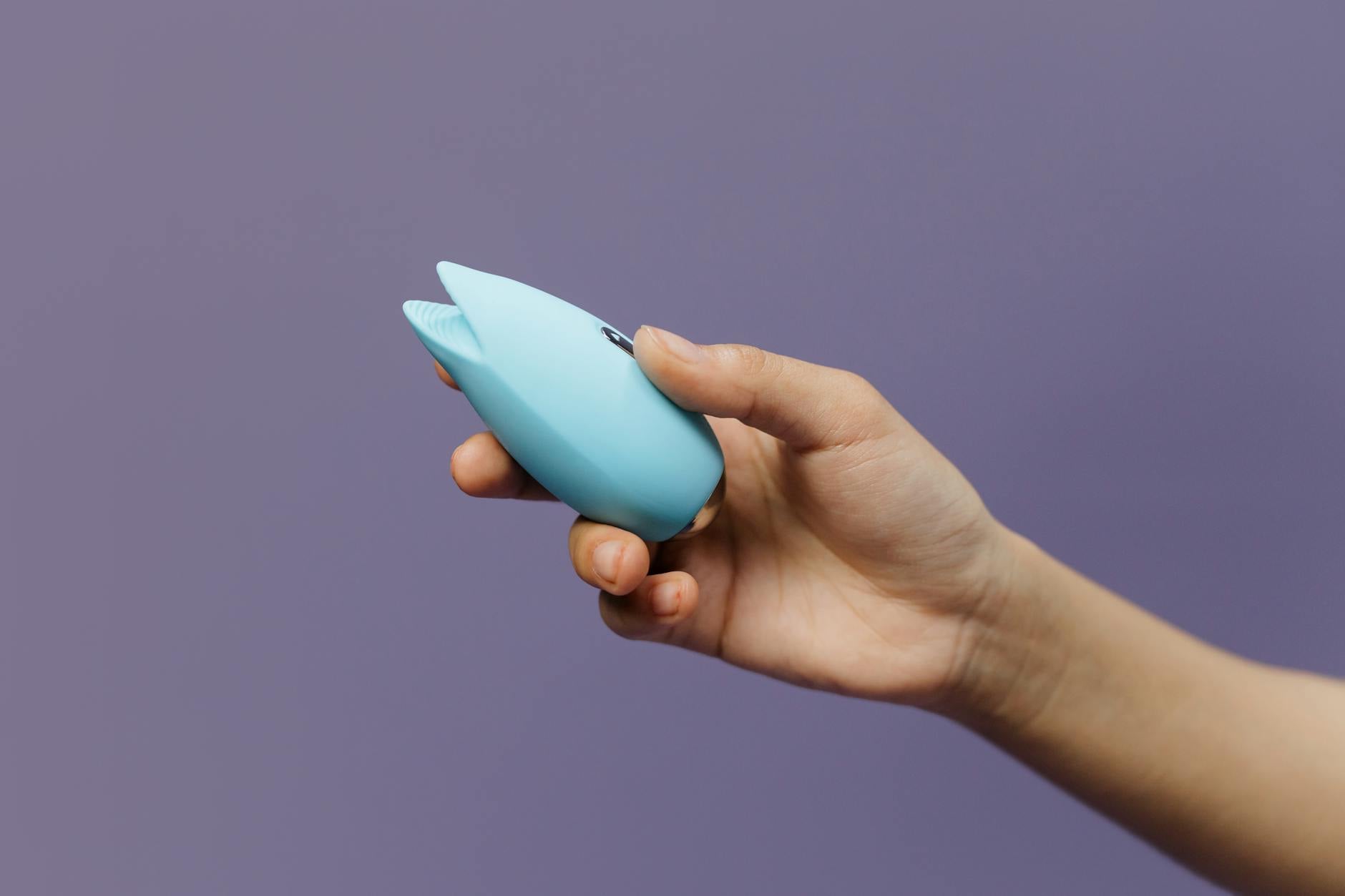
A traditional vibrator creates vibration. A lemon vibrator uses suction and pulsing, which bypasses the direct nerve overstimulation that can feel muted or uncomfortable when sensation is already numb. Suction creates a different type of pressure and release cycle, hitting deeper nerve clusters that oral stimulation mimics without the exhaustion of a partner.
More practically: a lemon clitoral vibrator is designed for sustained arousal without constant intensity modulation. You can set it and stay with it, letting your body gradually build response without the cognitive load of wondering if you're doing it "right." That matters when antidepressants have already made orgasm feel like a distant target.
Timing, dosage, and pleasure
If you're early in taking antidepressants, the sexual side effects often peak in weeks 2-6, then sometimes improve slightly as your body adjusts. Some people plateau at "better but not back to baseline." Others find that timing matters more than they'd expect.
Many people find that pleasure is easier earlier in the day or earlier in the medication cycle (so right after your morning dose, not hours later). This isn't universal, but tracking your own rhythm for a week or two is worth the experiment. Some also find that going without the medication for 24-48 hours (with your doctor's blessing, never without discussing it first) can restore sensation briefly, though this is a short-term strategy, not a fix.
Three practical shifts that help immediately
First, extend your warm-up time dramatically. If sensation is muted, your body needs longer to register and build arousal. Budget 20-30 minutes of solo exploration or partnered touch before you reach for the lemon vibrator at all. This isn't foreplay in the traditional sense. It's permission to be slow.
Second, start at lower intensity and stay there. The Lemon Bullet clitoral vibrator has multiple patterns and intensities. Begin at setting 1 or 2 and resist the urge to climb. Let your nervous system settle into the sensation rather than chasing a stronger response. You might surprise yourself by finding a sweet spot at medium intensity that you'd previously skipped over.
Third, disconnect orgasm from success. This is hardest and most important. When antidepressants make orgasm difficult, people often create additional performance pressure by making "achieving orgasm" the goal. That pressure kills arousal faster than the medication does. Instead, reframe the session as "time with my body," with orgasm as a possible outcome, not the metric of success. That shift alone changes the neurochemistry.
When to talk to your doctor about a medication change
If sexual side effects are severe and haven't improved after 8-12 weeks on the current medication, you have options. Some people switch to medications with lower sexual side effect profiles (bupropion, for example, has fewer sexual side effects than most SSRIs). Others adjust timing or dosage. Some add a medication that counteracts sexual dysfunction. Others stay on their current med but layer in a lemon vibrator or other tool that works with their body's current state rather than against it.
None of this is "giving up" on sex. It's practicing the same pragmatism you use everywhere else in life: work with what your body actually is, not what you wish it were.
The partner conversation, when there is one
If you're with a partner, this matters: medication-induced numbness often feels like rejection or low desire for the partner. It's not. You might be lowkey frustrated with your body too. Talking about it once, clearly, prevents months of misunderstanding.
Frame it like this: "My body is taking longer to respond because of medication. That's neurochemistry, not about you or how I feel about you. I want to explore what works now, not recreate what worked before." Then actually explore. A lemon clitoral vibrator can be something you use alone, or together, or in turn. There's no rule. The rule is experimentation without judgment.
The patience piece
Here's the hard truth: if antidepressants have muted your sexuality, getting it fully back might take months. Some people regain full sensation within a few months. Some find they need to shift expectations permanently. Most land somewhere in the middle, rebuilding a pleasure life that's different from before but still rich and satisfying.
That timeline is real, and pretending it's faster only creates shame. You're not broken. You're recalibrating. A lemon vibrator isn't magic. But it's a tool designed for bodies that need a different kind of stimulation. Using one well is a form of meeting yourself where you actually are, which is sometimes the most generous thing you can do.
People also ask
How long does it take for antidepressant sexual side effects to improve?
Some people see improvement in 4-8 weeks as their body adjusts to the medication. Others plateau at a new normal. If side effects haven't improved by 8-12 weeks, talk to your doctor about switching medications or adjusting dose timing. Sexual function is part of your overall health, not a luxury concern, so it's absolutely worth the conversation.
Can you use a lemon vibrator if you're completely numb?
Yes, but manage expectations. Complete numbness often means nerve signals aren't reaching your brain at all. A lemon vibrator's suction-based stimulation can sometimes activate sensation that direct vibration misses, but it won't necessarily restore feeling overnight. The goal is gradual reawakening, not instant fireworks. Some people find even subtle sensation eventually builds into pleasure with consistent, patient exploration.
Is it okay to skip antidepressants on days you want to have sex?
Don't do this without explicit doctor approval. Most SSRIs and SNRIs are designed to maintain steady levels in your bloodstream. Skipping doses can cause withdrawal symptoms, mood destabilization, and defeats the purpose of taking them. Talk to your prescriber about whether timing doses differently might help, or whether your specific medication has any flexibility.
What if a lemon vibrator doesn't help restore sensation?
Some people find other tools work better for their changed neurology, like warming their body first, using ice play, partnered stimulation at specific angles, or combining tools. A lemon clitoral vibrator is one option, not the only one. If it doesn't click, exploring others is fair. The point is finding what works for your current body, not forcing one tool to do everything.
Should you tell your partner you're using a vibrator because of medication side effects?
That depends on your relationship and whether you want to. If you're partnered and having sex together, transparency about why you're exploring new tools prevents misunderstanding and sometimes deepens intimacy. If you're solo, you don't owe anyone explanation. Either way, honesty with yourself matters most. You're not doing this because you're broken. You're doing it because your body needed a different approach.
Can using a lemon vibrator make antidepressant sexual side effects worse?
No. Using a vibrator doesn't affect how your medication works. What sometimes happens is that people create pressure around the vibrator working, which adds performance anxiety on top of medication-dampened sensation. The vibrator itself is neutral. Your expectations and self-compassion are what shift the experience.
The bottom line
Antidepressants saved your mental health. Your sexuality might look different now, and that sucks. But different doesn't mean broken, and it doesn't have to mean worse. A lemon vibrator, paired with patience and honest communication with your body, can help rebuild a pleasure life that works with your current neurology instead of fighting it. You deserve that. Your body does too.