Here's the thing about orgasm pressure
You're not broken. You're not slow. Your body is protecting you. When someone (or your own brain) keeps checking in, "Are you close yet?", your nervous system hears a threat. Arousal shuts down. The whole thing becomes a performance you're failing at instead of something you're enjoying.
I've worked with hundreds of people who describe the same loop. A partner waits. You feel the clock. Your body tenses. Nothing happens. Then comes the shame, the apologies, the "sorry, I'm just not in the mood tonight." But you are. Your body just learned that this isn't a safe place to let go.
Why the pressure kills everything
Orgasm requires what therapists call "cognitive surrender." That means your thinking brain has to quiet down and let your body lead. Pressure does the exact opposite. It wakes up your prefrontal cortex (the part that worries, judges, keeps score) and puts it in the driver's seat.
Physiologically, here's what happens: arousal triggers the parasympathetic nervous system (rest and digest mode). Pressure triggers the sympathetic system (fight or flight). These two can't run at the same time. Your body has to choose, and survival always wins over pleasure.
So you're lying there, physically stimulated, and your brain is running a loop of "Why isn't this working? Am I taking too long? Is my partner bored? Why am I broken?" Your clitoris, meanwhile, has effectively logged off.
How clitoral suction changes the conversation
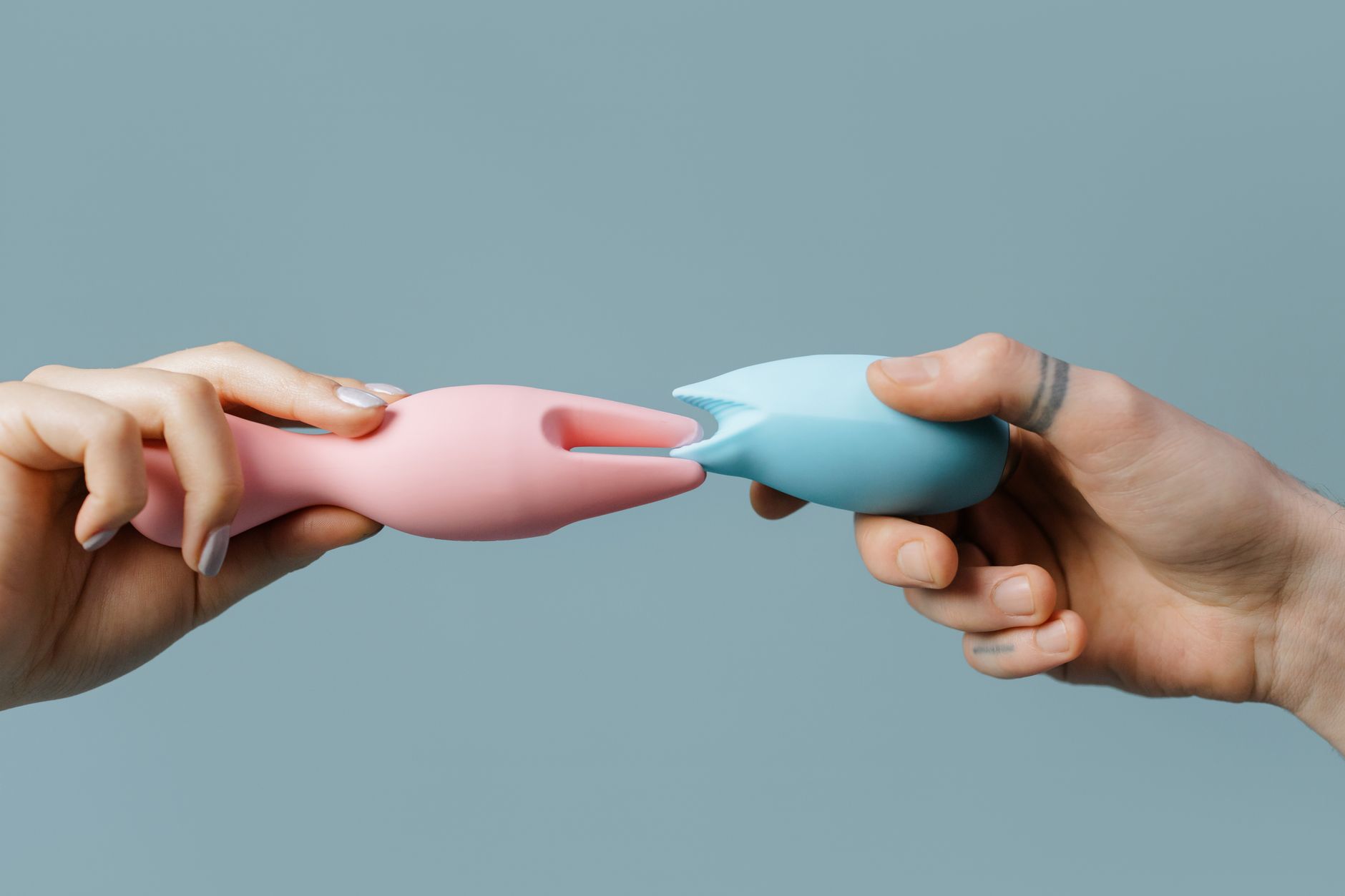
Lemon vibrators work differently than traditional vibrators because they don't require the same mental load. The suction sensation is novel, which means your brain has fewer pre-loaded anxiety scripts about it. You're not comparing yourself to past performances or to some imagined speed standard.
It's not magic. It's novelty plus direct nerve stimulation without intensity anxiety. A clitoral suction toy like the Lemon vibrator creates a rhythm that your body can sync with, rather than a sensation you have to chase. That distinction matters more than you'd think.
When you switch from a traditional vibrator to a suction-based clitoral vibrator, many people report that the speed of orgasm actually becomes irrelevant. Not because they come faster, but because the pleasure stops feeling like a destination. It becomes a place you're already in.
The reset protocol: using the Lemon vibrator to rebuild trust
Start with zero expectation of orgasm. I mean zero. The goal isn't to come. The goal is to feel good for ten minutes and then stop.
Begin at low settings (pattern 1 or 2 on the Lemon). Use water-based lubricant. Take 15 minutes alone without your phone, partner, or any mental script about what's supposed to happen.
Notice sensation without trying to build to anything. What does this feel like versus your old toy? Is there pressure in your mind about reaching a goal? Just notice it. Don't fix it yet.
After three or four solo sessions with zero orgasm pressure, your nervous system starts believing that touch isn't a test. Then, when you do experience an orgasm (and you will), it won't feel like relief. It'll feel like a bonus.
Why this actually works for partnered sex too
If the pressure came from a partner, using a lemon clitoral vibrator together (or with their presence) rewires that dynamic. The toy becomes the focus, not your performance. Your partner can relax because they're not responsible for your orgasm. You can relax because the toy is.
This is more important than it sounds. <a href="/blog/how-to-use-lemon-vibrator-when-partners-have-mismatched-orgasm-timings">When partners have mismatched orgasm timings</a>, pressure is inevitable unless you introduce a tool that removes the comparison. A lemon vibrator does that. It's not a workaround. It's a reframe.
Many couples report that bringing a clitoral vibrator into partnered sex actually deepens connection because suddenly no one's anxious. The focus can shift from "Did she come?" to "What did we just experience together?"
The mental reset: what to tell yourself
Orgasms aren't performances. They're not benchmarks. They're not proof of health or desire or compatibility. They're physical events that happen when your nervous system is calm enough to let them.
Some sessions will lead to orgasm. Some won't. Both are fine. Your body isn't refusing you. It's protecting you from the anxiety you've (understandably) attached to the experience.
Using a Lemon vibrator for the first time after orgasm pressure gives you something else: permission to feel good without a finish line. That's not small. That's the whole thing.
When to involve your partner
If you've been solo-resetting your nervous system for a couple of weeks, try using the clitoral vibrator with your partner present but not directing anything. No questions. No commentary. Just presence.
Then, once you've had a few orgasms with zero pressure, you can invite them into the experience if you want. At that point, the orgasm isn't a test of the relationship. It's just what your body does when it feels safe.
FAQ: Orgasm pressure and lemon vibrators
How long until I feel less pressure around orgasm?
Three to four weeks of consistent solo play usually shifts things. Your nervous system needs repeated evidence that touch is safe before it fully believes it. The suction sensation on a lemon clitoral vibrator helps because it's new enough that your old anxiety scripts don't run automatically.
Can my partner use the lemon vibrator on me if I'm feeling pressure?
Yes, but only after you've used it solo a few times first. That way, your body already associates it with pleasure, not performance. When your partner uses it, they're adding presence to an already-positive experience, not introducing the toy as a fix for a broken situation.
What if I still can't orgasm even with the pressure gone?
Then orgasm might not be the actual issue. Sometimes, when pressure disappears, people realize what was actually missing was different kinds of touch, a shift in the relationship, or something like <a href="/blog/how-to-use-lemon-vibrator-when-you-have-no-sensation-during-arousal">sensation changes from medication or hormonal shifts</a>. A sex therapist or counselor can help you sort that out. The Lemon vibrator is a great tool, but it's not a diagnostic device.
Is suction stimulation different enough to bypass my anxiety?
Yes. For most people, it is. Not because the toy is magic, but because your brain doesn't have pre-loaded "this is how fast I usually come" expectations for suction play. That newness is actually protective. The anxiety script doesn't run because your brain has never written one for this sensation.
Should I tell my partner why I want to use a lemon vibrator?
Absolutely. Something like: "I've been noticing I feel anxious around orgasm, and I want to reset that. I'm going to use a toy solo for a bit, and then maybe we can explore together once I feel less pressure." Most partners actually feel relieved. They don't want the responsibility of your orgasm either. They want to feel wanted.
What if pressure comes back?
It might, especially if old relationship patterns re-emerge. That's not failure. That's your nervous system doing its job. Go back to solo sessions with the lemon clitoral vibrator, reset for a week or two, and then reintegrate with your partner. You're not stuck. You're just fine-tuning.
The real work starts when the pressure lifts
Here's what usually happens once people stop performing around orgasm: they realize there's more to sex than the climax. The foreplay that used to feel like a chore becomes interesting. Their partner's presence becomes a real turn-on instead of a witness stand.
The lemon vibrator is the tool that lets that shift happen. But the real reset is internal. You're teaching your nervous system that your body is safe, your pleasure matters, and you don't have to earn anything.
Once that sticks, orgasms aren't rare anymore. They're just one part of a bigger picture of sensation you've rebuilt. Start with solo play. Trust the process. Your body knows what to do once it believes nothing's at stake.