
Let's talk about the thing nobody mentions
Foreplay is taking longer. And you're wondering if that's normal, or if something's changed in your body that you need to fix. Here's the actual truth: your nervous system has evolved. Your arousal hasn't broken. It's just operating on a different timeline now, and once you stop fighting that, it gets better.
This shift happens gradually across your 40s and 50s, sometimes sooner if you've been through relationship transitions, hormonal changes, or just years of autopilot sex. The good news is that lemon clitoral vibrators like the Lem are built for exactly this kind of arousal pattern. They work with patience, not against it.
What's actually changing in your nervous system
Your brain hasn't forgotten how to feel pleasure. What's shifted is the pathway to get there. In your 20s and 30s, arousal often fired quickly because of hormonal priming and the novelty your nervous system was wired to respond to. Your body needed less ramp-up time because everything was biochemically optimized for speed.
Now, arousal requires more sustained attention. Your parasympathetic nervous system, which governs relaxation and pleasure, needs longer to downshift from everything else going on. Your mind is often still in work mode, family mode, or just the general noise of managing a life. That's not a flaw. That's biology and context colliding.
The second thing: blood flow changes. Tissues that used to engorge quickly now need more time and more consistent stimulation to reach full arousal. This isn't permanent damage. It's a slower build that, frankly, can feel deeper and more integrated once you stop resisting it.
Why longer foreplay isn't less pleasure
Here's where I'm going to push back on the cultural narrative. Longer foreplay doesn't mean less intense. It means different. And for a lot of people, it means more.
When you're spending 20, 30, even 45 minutes warming up, you're not just building physical arousal. You're creating psychological permission. You're settling into your body instead of performing through a checklist. That shift alone changes how sensation registers.
Lemon sexual toys work brilliantly for this because suction-based stimulation, like the Lem, doesn't rely on speed to feel good. A suction vibrator creates consistent, building waves of pressure that feel richer the longer you stay with them. It rewards patience. Traditional vibration can feel flat or even irritating during long foreplay sessions, especially for sensitive arousal that's still ramping up.
How to restructure foreplay around your actual arousal cycle
Four concrete shifts that matter.
Start earlier than you think you need to. If you used to have ten minutes of kissing and touching before sex, budget thirty now. This isn't negotiable or something to "get better at." Your nervous system needs this time. Treating it as foreplay instead of wasted time changes the entire emotional tone.
Introduce the Lem earlier in the sequence. Most people save vibrators for the final push toward orgasm. Flip that. Use a lemon clitoral vibrator at the beginning or middle of foreplay. Let it be part of the conversation your body is having, not the punctuation mark at the end. Start on lower settings. You're priming the pump, not sprinting to the finish.
Prioritize stimulation that doesn't demand anything of you. When foreplay takes longer, the mental load intensifies. You start thinking about how long it's taking, whether you're taking too long, if you're frustrating your partner. Suction-based lemon vibrators actually quiet that noise because they're doing the work. You're not performing intensity. You're just receiving sensation.
Build redundancy into arousal cues. If kissing is your primary foreplay, it can feel like the same conversation after thirty minutes. Mix in touch. Use a vibrator. Change positions. Add texture. Different stimulation keeps your nervous system engaged instead of habituated.
The partner conversation you need to have
This is where a lot of people get stuck. You notice foreplay is taking longer. Your partner maybe expresses impatience, either verbally or through body language. Instead of asking what's changed in your body, the conversation becomes about your speed.
It's the wrong frame entirely.
The conversation needs to be: "My arousal is taking longer now. Here's what I want us to try instead." Not apologetic. Not framed as your problem to solve. Framed as new information about how you actually work.
If you're using a lemon clitoral vibrator during foreplay, it also changes the dynamic. It shifts the focus from performance to pleasure. It removes the pressure on your partner to be the sole source of stimulation. It makes longer foreplay a shared experience instead of someone waiting around.
Many couples find that extended foreplay with toys is actually when they reconnect most deeply because the pressure to rush dissolves. You're in your body. You're not managing anyone's impatience.
Practical setup for extended pleasure sessions
Here's what actually helps when you're building arousal over a longer timeline.
First: comfortable positioning matters more now. If you're in foreplay for 30 to 45 minutes, you need to be somewhere your neck doesn't hurt and your shoulders aren't tense. That tension is arousal kryptonite. Pillows matter. Different surfaces matter. This sounds boring but it's everything.
Second: temperature and comfort. Use water-based lubricant generously. It's not a sign something's wrong. It's a tool for sustained sensation. Reapply halfway through. Your tissues appreciate consistency.
Third: have your lemon vibrator charged and accessible before you start. Don't break the mood to hunt for it. Don't have a conversation about which toy in the middle of things. That friction breaks the nervous system's downshift.
Fourth: give yourself permission to take breaks. Sometimes arousal needs pauses. Sometimes you'll build to 70 percent and then need to just kiss or talk for five minutes before the next wave. That's not failure. That's how longer foreplay works.
When longer foreplay is actually a gift
I've watched people move through this transition and resist it hard. They're chasing the speed of their younger selves like it's something lost rather than something transformed. What I usually see once they stop resisting is different: orgasms that feel more full, pleasure that spreads through the body instead of staying localized, and less post-sex regret or that weird restlessness that sometimes follows quick sex.
Longer foreplay can mean more time to connect with a partner, more time to actually feel what's happening in your body, and more time for arousal to integrate with emotion. If you've been rebuilding intimacy after extended time apart, that extended foreplay window is often when the real reconnection happens.
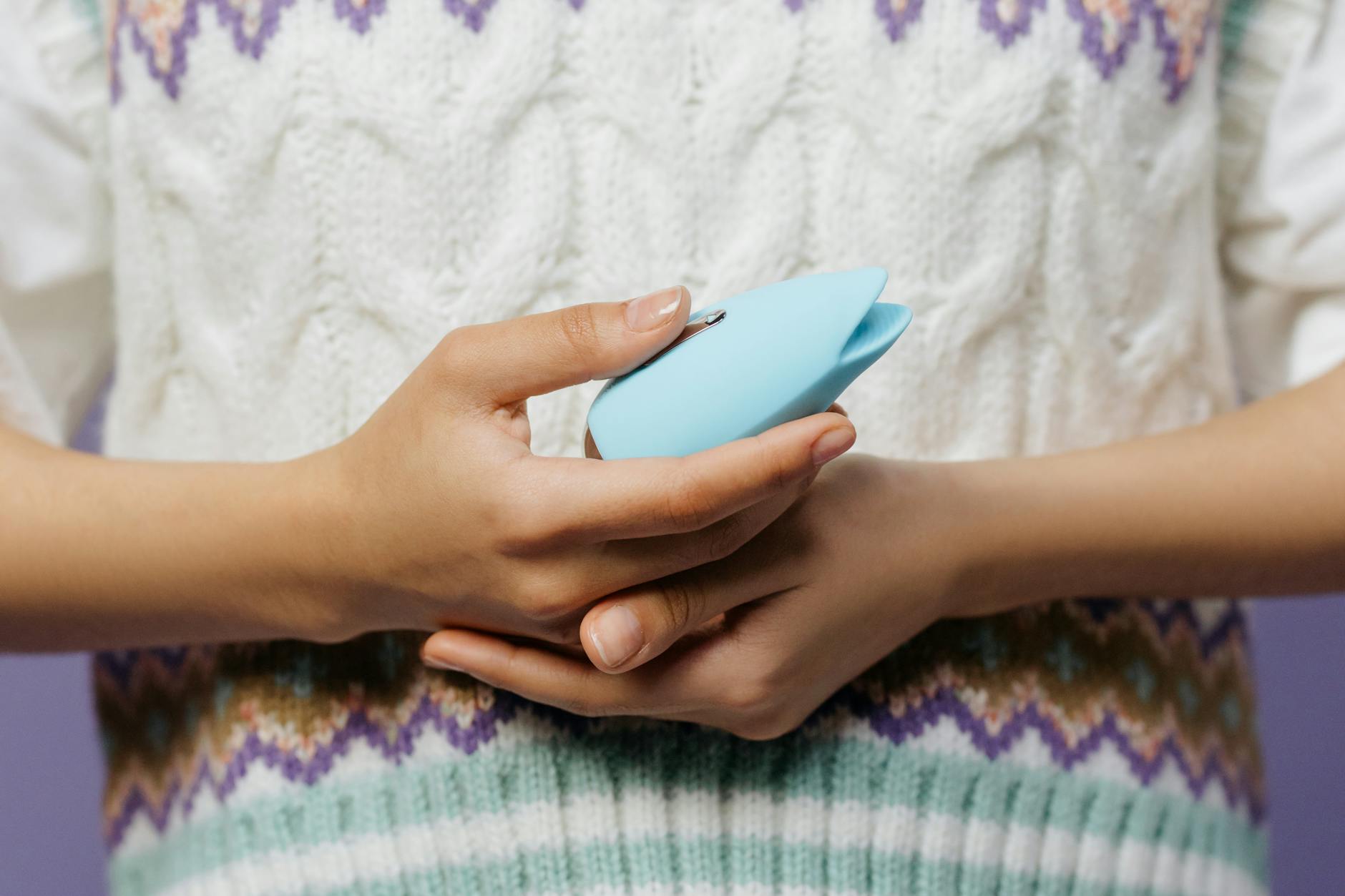
Photo by cottonbro studio on Pexels
Lemon clitoral vibrators fit into this timeline because they're built for sustained use. They don't fatigue you the way traditional vibrators sometimes do. They reward slow exploration. They work whether you're at 20 percent arousal or 80 percent. That adaptability is huge when you're not operating on a predictable ramp-up curve anymore.
FAQ: Longer foreplay and lemon vibrators
Is it normal for foreplay to take longer as you get older?
Completely normal. Blood flow changes, nervous system sensitivity shifts, and hormonal patterns evolve. Foreplay taking 20 to 45 minutes instead of 5 to 10 isn't a decline. It's a change in how your body primes for arousal. Many people also have busier minds in their 40s and 50s, which genuinely requires more time to downshift into pleasure. That's not weakness. That's reality.
Should I use a lemon vibrator for the whole foreplay session or just at the end?
Both work. Start with it during foreplay to prime arousal, then use it again toward orgasm if you want. Some people use it intermittently as part of the mix. There's no rule. What matters is that longer foreplay gives you time to explore different patterns and intensities without rushing.
Does longer foreplay mean I'm not attracted to my partner anymore?
No. Attraction and arousal speed are separate things. You can be wildly attracted to someone and still need more time to build arousal as your body changes. If you're noticing a genuine loss of desire, that's different from needing more foreplay. But longer warm-up time? That's just your nervous system being honest about what it needs.
Can a partner help speed up foreplay if it's taking too long?
They can help you feel less self-conscious about it, which sometimes helps. But trying to rush arousal that needs time usually backfires. Better approach: reframe it together. Longer foreplay isn't a problem to solve. It's a feature. Use it as connection time. Add toys. Make it about exploration instead of efficiency.
What if I feel guilty about foreplay taking longer with a partner?
That guilt is the real problem, not the timeline. Your body isn't inconveniencing anyone. It's telling you what it actually needs. A partner who resents that or makes you feel rushed isn't the right fit for this phase of your life. Rebuilding sexual confidence after prolonged relationship disconnect often starts with getting clear on what you actually deserve, which includes taking the time you need.
Are lemon vibrators better than other vibrators for longer sessions?
For many people, yes. Suction-based lemon sexual toys create consistent sensation that doesn't tire tissues the way high-intensity vibration can during extended sessions. They feel good at lower power levels, which means they work well during the ramping-up phase of foreplay. You're not jumping to maximum intensity to feel something. You feel something immediately and can explore from there.
The thing nobody tells you
Longer foreplay isn't something you're doing wrong. It's something your body has figured out it actually prefers. Once you stop treating it as a problem and start treating it as information, everything changes.
Your pleasure is worth the time it takes now. And honestly? For a lot of people, it's richer for it.
If you're navigating these shifts in your body and feeling disconnected from pleasure more broadly, exploring sensation numbness in your 30s and 40s might also be useful reading. And if the longer timeline is revealing disconnection with your partner, that's worth addressing separately. You deserve foreplay that feels good, takes the time it needs, and happens with someone who's genuinely into it.