Let's talk about what happens when touch feels unsafe
Trauma rewires your nervous system. When your body has learned that physical contact can equal pain, confusion, or violation, pleasure becomes complicated. Not impossible. Just complicated. Your nervous system is trying to protect you, and that's actually intelligent. The work isn't about overriding that protection. It's about slowly teaching your body that sensation can be different now.
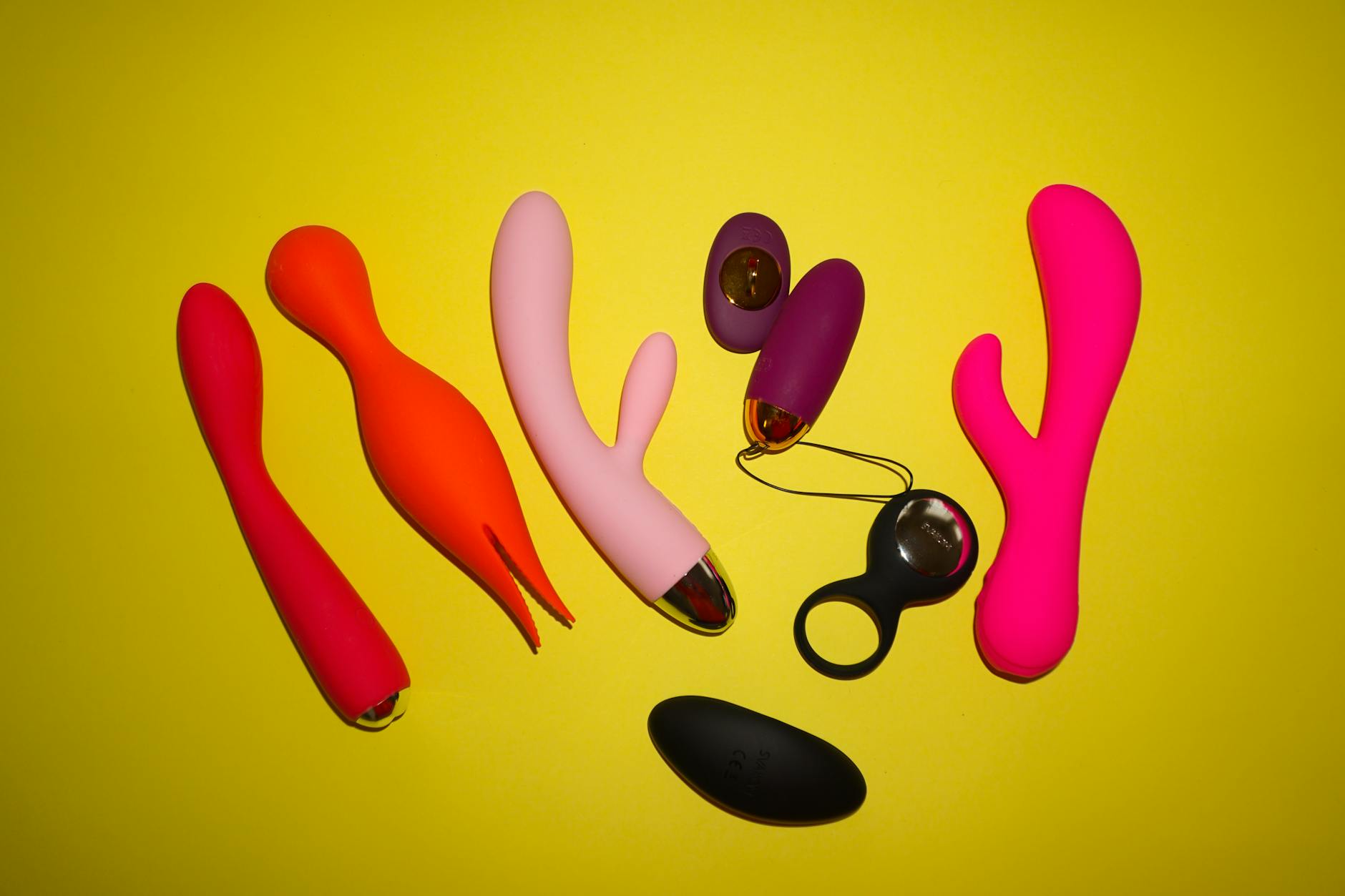
Clitoral vibrators like those from Lemon Bullet approach pleasure from a completely different angle than partnered touch. You control the intensity. You control the speed. You control when it starts and stops. That control is everything when you're rebuilding a relationship with your own pleasure.
Why lemon clitoral vibrators work differently for trauma survivors
Most clitoral vibrators deliver stimulation through consistent vibration. It's predictable, which sounds boring until you understand why predictability matters for your nervous system. When your body doesn't know what's coming next, hypervigilance kicks in. Anxiety floods in. But a lemon vibrator gives you a rhythm you can anticipate.
Here's the bigger thing though: suction-based stimulation (which lemon toys use) doesn't require the same kind of direct touch as traditional vibration. You're not pressing against sensitive tissue. You're creating a gentle pulse that feels different from fingertips or a partner's mouth. For many trauma survivors, that difference is profound. It's sensation without the associations.
The physical distance matters too. Even if you're using a vibrator during partnered sex, you're creating a buffer between yourself and direct contact. That buffer is not a failure of intimacy. It's a necessary bridge.
Starting solo: rebuilding the foundation
If you're dealing with trauma responses around touch, your first sessions with a lemon vibrator need to happen alone. This isn't about avoiding partnership. It's about establishing a baseline experience where your nervous system learns that this sensation equals pleasure, not danger.
Start with your body fully clothed. Yes, really. Use the vibrator over your clothes, on your inner thigh, your lower belly, your collarbone. The point isn't orgasm yet. The point is sensation without stakes. Let your body get used to the weight, the hum, the feeling of something you control.
Breathe normally. If you find yourself holding your breath, pause. Shallow breathing signals your nervous system that danger is near. When breath gets shallow, anxiety compounds. Return to slow, deliberate breathing before you continue.
Set a timer for five minutes the first time. Not because you need to rush, but because containment helps your nervous system relax. You're telling your body: this will end, you're safe, this is bounded. Do this three or four times before you move to skin contact.
Moving toward clothed contact and what grounding means
Once clothed contact feels genuinely comfortable (not just tolerable, but actually okay), try skin contact in lower-arousal zones first. Inner wrist. Behind your ear. The soft inside of your forearm. These areas have nerve endings but usually don't carry traumatic associations.
Grounding techniques become essential here. Before you start, choose a grounding anchor. This is a physical sensation you can access instantly if anxiety spikes. It might be ice cubes in your hand, a textured blanket, or your feet firmly on the floor. Practice your grounding anchor a few times so your nervous system recognizes it as the signal to shift out of threat mode.
If you feel panic or flashback symptoms starting, use your anchor immediately. Stop the vibrator. Don't push through. The goal isn't to force yourself into pleasure despite trauma responses. The goal is to expand your window of what feels safe, one session at a time.
When to introduce a partner into the equation
Partners often want to help, and sometimes that help accidentally becomes pressure. If you're working with someone, the conversation needs to happen before any touch happens. Tell them three things: what you need them to do, what you need them not to do, and what you need them to say if you become overwhelmed.
Most trauma survivors benefit from a partner who stays present but gives physical space. They might sit nearby while you use your lemon vibrator solo. They might hold your hand without moving. They might use words of affirmation while staying outside your body's boundary. This teaches your nervous system that intimacy and safety can coexist.
If partnered penetration or external touch is part of your healing journey, lemon clitoral vibrators can work alongside that. But the vibrator stays in your hands. Your partner doesn't control the intensity or timing. You do. That agency is non-negotiable.
Understanding arousal cycles when trauma is in the mix
Trauma often flattens arousal. You might notice that sensation doesn't build gradually the way it does for people without trauma histories. Instead, arousal might feel stuck in neutral, or it might spike suddenly without obvious cause. Both are normal.
A lemon vibrator's gentle suction can help bridge that gap. The consistent sensation sometimes allows arousal to build when manual stimulation alone doesn't. But patience matters here too. Some days your body will respond readily. Some days it won't. Trauma doesn't follow a linear recovery arc.
If you're working with a trauma-informed therapist, that's the person to loop in about your pleasure practices. They might offer additional grounding techniques or help you identify specific triggers you haven't noticed yet. This isn't something you have to figure out alone.
Common setbacks and what they actually mean
You might use a lemon vibrator successfully for weeks and then suddenly feel triggered again. This doesn't mean you failed or that you're broken. It means your nervous system encountered something that reminded it of past threat. It's doing its job.
When setbacks happen, don't interpret them as permission to stop. Instead, go back a step. Return to clothed use or to non-genital zones. Let your body recalibrate. The recovery arc isn't a straight line. It spirals. Sometimes you circle back to earlier phases, but you're never starting completely over. You're just regaining footing.
Some people find that using a lemon vibrator with specific music, lighting, or scents helps their nervous system distinguish between past and present. A particular candle scent, warm lighting, or a playlist you choose signals safety. Over time, those contextual anchors help your body trust that now is different from then.
When pleasure starts to feel possible again
At some point, if you stick with this, something shifts. Sensation that felt scary becomes interesting. Touch that felt dangerous becomes welcome. Orgasms might feel different than they did before trauma, or they might feel surprising because they're happening at all.
This shift doesn't erase what happened. It means your nervous system has learned a new possibility: that pleasure can be safe. That your body can be yours again. That clitoral vibrators can be part of reclaiming that ownership.
If you hit a wall where anxiety or trauma responses aren't improving, that's the moment to reach out to a trauma-informed therapist or somatic practitioner. Pleasure work and trauma healing often need to happen together. There's no timeline, no