Let's talk about what happens to sex when everything else changes
You've been together for fifteen years. The kids moved out last fall. Your partner got a new job with longer hours. You're both tired, stretched in different directions, and somewhere between the school pickups and the promotion and the pandemic, sex became something that happens once a month if you remember, and it's awkward when it does.
This is not a dead relationship. It's a life in transition. And if you want to rebuild intimacy, the first thing to understand is that sex isn't the problem. It's the symptom.
Why couples drift apart during major transitions
Major life changes—empty nests, career shifts, relocations, health challenges, aging parents—rewire your daily rhythm with your partner. You're not in the same room at the same time. You're not touching. You're not laughing together as much. And when you finally do get alone time, you're both exhausted and neither of you knows how to initiate without it feeling awkward or transactional.
The desire doesn't disappear. What disappears is the permission to want it. You both become anxious about whether the other person is still interested. You assume that if sex hasn't happened in weeks, maybe it's not supposed to right now. So you both wait. And waiting becomes the new normal.
Honestly? That's the easier problem to solve.
The surprising role of novelty and playfulness
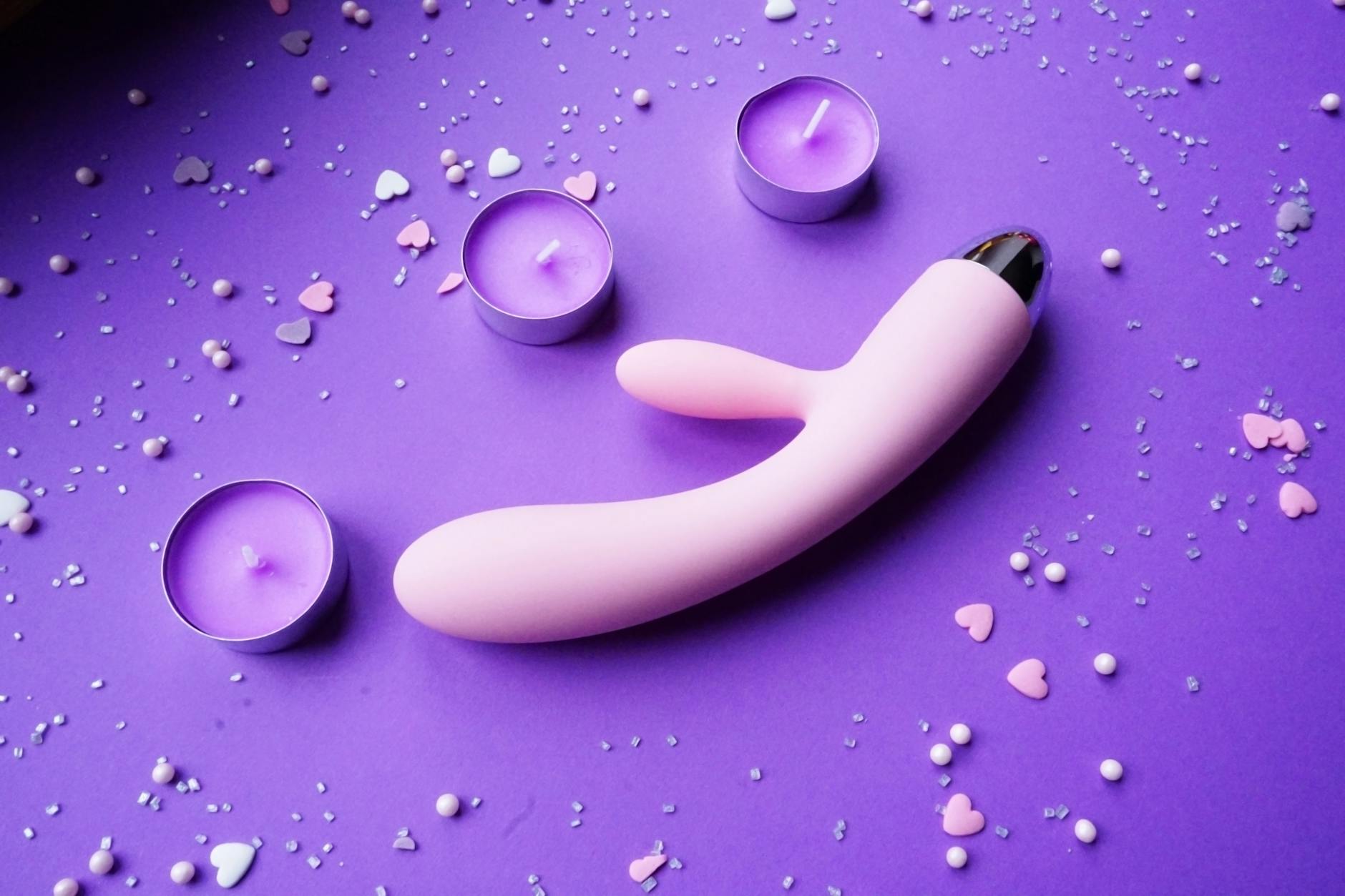
One of the clearest patterns I've seen in couples therapy is that partners reconnect faster when they introduce something that feels new but not threatening. A lemon vibrator is that thing. It's not about the toy itself. It's about permission.
Using a vibrator together—whether it's a lemon clitoral vibrator or any other tool—signals something important: "I want to explore this with you. I'm not trying to replace you. I'm trying to feel good and I want you here." That's a different conversation than "we should have more sex." One is vulnerable and inviting. The other sounds like a chore.
When you bring a lemon vibrator into the bedroom during a transition phase, you're saying: I'm still interested in pleasure. I still want you. Let's try something together. That novelty, even though it's small, often breaks the spell of awkwardness that's been sitting there for months.
How to actually introduce this without it feeling weird
Don't make it a big production. Don't schedule it like a dentist appointment. And for God's sake, don't surprise your partner with a vibrator waiting on the pillow.
Talk about it when you're not in bed. Say something like: "I've been thinking about us. I miss this. What if we tried something that might make it easier to get back into it?" Then listen. Your partner might be relieved. They might be hesitant. They might have ideas of their own.
If there's hesitation, ask what's underneath it. Is it shame? Worry that they're not enough? Fear of being judged? Most of the time, that's where the real conversation starts. The vibrator is just the vehicle.
When you do use a lemon clitoral vibrator together, make sure the first time isn't about orgasm. It's about exploration. It's about him or her learning how you respond, what you like, where the sensation is strongest. And for the partner using the vibrator, it's about slowing down enough to notice what's happening in your partner's body instead of rushing through it.
Why lemon vibrators work particularly well for couples
There are a few practical reasons why air-suction lemon vibrators beat traditional vibrators for couples trying to reconnect. First, they're quieter. That matters when you're rebuilding comfort and you don't want the noise to feel clinical or intrusive. Second, they give you a wider range of sensation without being overwhelming, which is helpful when someone's been out of the game for a while. Third, because they work through suction rather than pure vibration, there's more feedback. You can see and feel what's happening, which keeps you both present and connected.
But the real reason they work is because using one together naturally slows you down. You can't multitask your way through it. You have to pay attention. And when couples in transition start paying attention to each other's bodies and pleasure again, they remember why they wanted this person in the first place.
The emotional work that actually matters
Here's what people don't talk about: the vibrator is only half the equation. The other half is being willing to have hard conversations about what changed.
If you're drifting because one of you is depressed or burnt out, a vibrator won't fix that. If there's resentment building because one partner feels like they're carrying more weight, you need to name it. If there's grief—about lost years, about how you imagined this phase of life—that needs air too.
What a lemon vibrator can do is create a small pocket of connection and pleasure while you're sorting out the bigger stuff. It says: even though things are messy right now, this part of us still works. This part still matters.
The permission piece
I think about this a lot in my work. Many couples, especially those navigating midlife transitions, have been trained by years of obligation and routine to believe that desire should be spontaneous and effortless. If you have to think about it, plan it, or use tools, it feels less real.
That's exactly backward. Desire at midlife or after major change requires intention. It requires permission. It requires you to say: my pleasure matters. Your pleasure matters. We're worth taking time for.
Using a lemon vibrator together is one way of giving each other that permission. It's not the only way. But it's a concrete, physical way of saying: I choose this. I choose you.
When to get help beyond the toy
If you're trying to reconnect and there's a wall of anger or betrayal underneath the distance, a vibrator won't move that wall. If one partner has checked out emotionally, if there's been infidelity or ongoing deception, you need a couples therapist, not a toy.
But if you're just two people who got separated by life and now you're trying to find your way back to each other? If you're both willing but stuck in awkwardness? If you want something that signals "let's try" without words? That's when tools like a lemon clitoral vibrator become genuinely useful.
Start small. Talk first. Pay attention. Notice what your partner responds to. Build from there.
FAQ: Couples, Lemon Vibrators, and Reconnection
What if my partner is resistant to using a vibrator together?
Resistance usually isn't about the vibrator. It's about vulnerability or shame or fear of being judged. Start by asking what they're worried about instead of pushing the tool. Sometimes partners are worried they're not enough, or that wanting to use something means their partner isn't satisfied. Have that conversation first. The vibrator can come later if it still feels right.
Is it better to have one partner use the vibrator or to use it on a partner?
Both. Take turns exploring. Let your partner hold a lemon vibrator and learn your body. Then you hold it and learn theirs. That reciprocity matters. It keeps it from feeling like one person is being serviced and checked off a list. You're both discovering something together.
How do we talk about this without it feeling transactional?
Don't frame it as "we need more sex." Frame it as "I miss feeling close to you" or "I want to spend time together feeling good." Keep it about connection, not frequency. And when you're actually together, stay present. Put your phone away. Make eye contact. Notice each other.
Will using a vibrator make our sex life feel less "real"?
Sex that reconnects you with your partner and reminds you both that intimacy matters is as real as it gets. Tools don't make it less real. They're just tools. What makes it real is the attention and vulnerability you bring to it.
What if we try this and nothing changes?
Then you probably need to dig deeper into what's actually broken. A vibrator can spark reconnection, but it can't fix fundamental incompatibility or deep relational issues. If you've tried to rebuild intimacy and nothing sticks, couples counseling is the next step. There's no shame in that. It's actually the most loving thing you can do.
How often should couples use toys together?
There's no right answer. What matters is that it feels good and consensual for both of you. Some couples find it becomes a regular part of their intimacy. Others use it occasionally to break patterns or reconnect during transitions. Let it flow naturally instead of forcing a schedule.
The real work is showing up
Reconnecting after major life changes takes more than a toy. It takes you being willing to be vulnerable. It takes you both choosing each other again, deliberately, even though you're tired and stretched and things feel different than they used to.
A lemon clitoral vibrator—whether it's one from Hello Nancy or elsewhere—can help crack open that willingness. It can give you permission to want each other. It can slow you down enough to pay attention again.
But the actual magic? That happens when you both show up. When you stay curious instead of defensive. When you talk about what you actually want instead of what you think you should want. When you let your partner matter to you again, even in the messy middle of everything else changing.
If that sounds like what you need, start with a conversation. Then see where it goes.