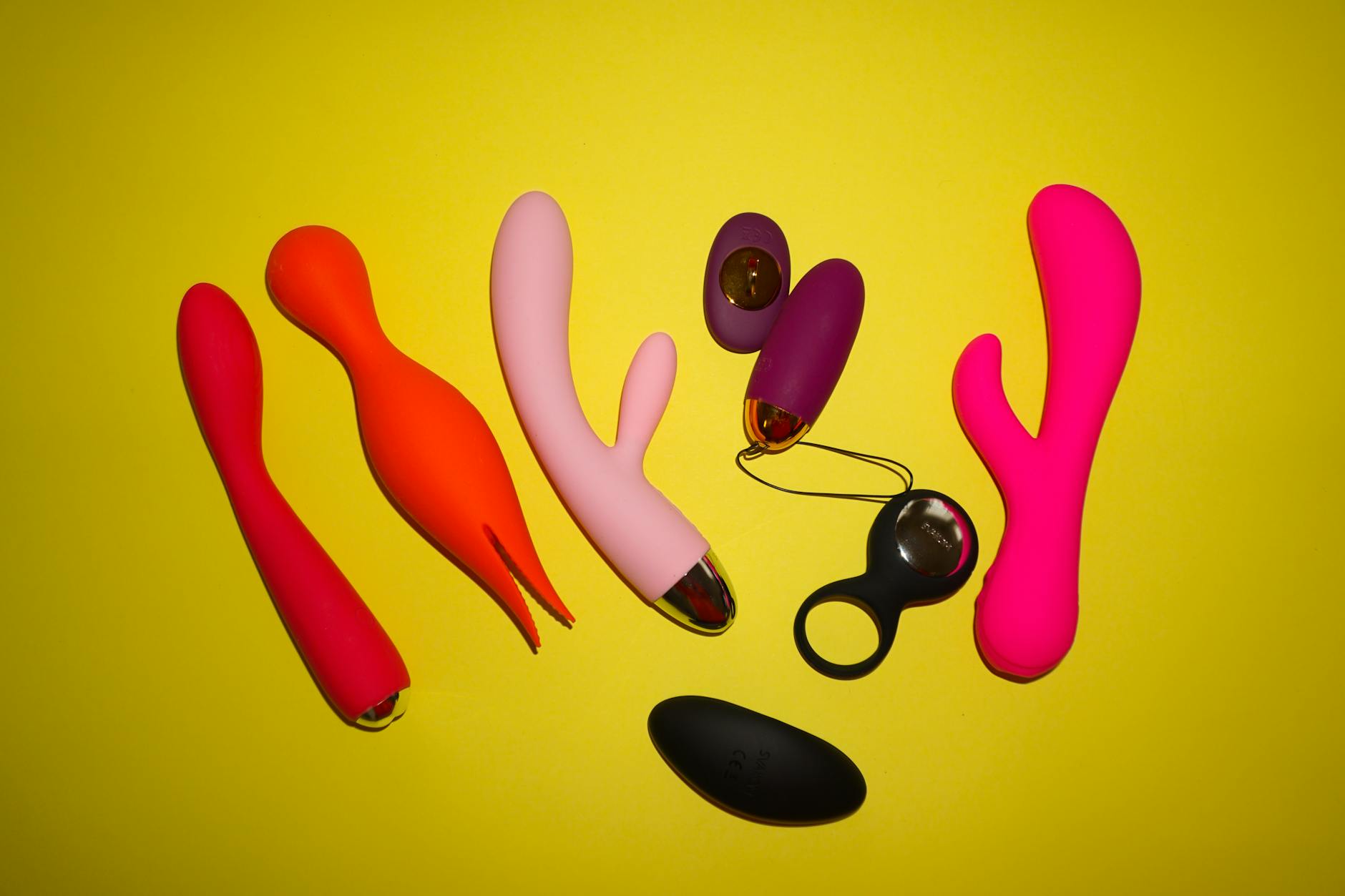
You've hit the plateau.
Same patterns. Same intensity. Same finish line every time. Maybe it feels fine, maybe it feels boring. Either way, something's shifted. The vibrator that used to send you into orbit now feels like maintenance sex. Welcome to sensation habituation. Your nervous system has mapped the route so thoroughly that novelty disappeared.
Here's the thing. This isn't numbness. It's not broken. It's adaptation, which is actually your brain being annoyingly efficient. But you can reset it.
Why your nervous system gets stuck in a loop
Your body is a prediction machine. The moment you start using the same rhythm, the same pressure, the same pattern of stimulation, your nervous system begins to predict what comes next. Predicted sensation feels less intense than surprise sensation. This is neurobiological, not personal.
Think of it like a song you love. The first time you hear it, every beat lands. After hearing it 200 times, it becomes texture in the background. The song hasn't changed. Your brain's novelty response has.
With orgasms, this means each session feels slightly less responsive than the last. The first time you use a lemon vibrator at pattern 4, it's revelatory. The 150th time at pattern 4, your nervous system says "yeah, I know what this is." The physical capability doesn't diminish. The sensation intensity does, which feels identical to actual numbness but operates on a completely different mechanism.
This is where most people give up. They assume they've broken themselves permanently or that they've maxed out their own capacity. They haven't. They've just trained their system to stop paying attention.
How a lemon clitoral vibrator breaks the pattern
A lemon vibrator works differently than fingers or traditional vibrators. The suction-air pulse mechanism creates stimulation that your nervous system hasn't fully mapped. It's novel. It's also precise enough to target the nerve endings that respond most acutely to surprise stimulus.
When you introduce a new tool after months or years of sameness, your brain resets the novelty clock. The clitoral vibrator basically tells your nervous system "pay attention, this is different." That recaptured attention is where the intensity returns.
The key is using it correctly. You can't just swap the old vibrator for a new lemon toy and expect the same breakthrough. The point is to interrupt the pattern you've built, not replicate it with different equipment.
The reset protocol that actually works
Take a break first. I know this sounds counterintuitive. A week without orgasm, or at minimum without masturbation, genuinely helps. You're giving your nervous system a chance to lower the prediction threshold. The anticipation itself rewires some of the desensitization.
When you return to your lemon vibrator, start at pattern 1. This sounds too gentle. That's the point. Your body's expecting higher intensity. Lower intensity on fresh-reset nervous system tissue creates surprise. Spend 5 to 10 minutes at patterns 1 through 3. Don't rush. Your nervous system needs time to recalibrate that "wait, pay attention" signal.
Then move to pattern 4 or 5. Notice the difference. You're almost certainly going to feel something you haven't felt in months. It won't be alien. It'll be the same vibrator, the same body, but with attention restored.
Variation is your maintenance drug. Once you've had the breakthrough, don't fall back into the single-pattern rut. Use patterns 2, 3, 5, 6 on different days. Let your nervous system stay mildly surprised. The research on sexual response shows that people who rotate stimulus patterns maintain much higher baseline sensation responsiveness over time.
What happens if you stay at the plateau
Nothing catastrophic. But you're missing something. People stuck in low-novelty sexual patterns often report that sex stops feeling like something that matters and starts feeling like a chore. The physical capacity for pleasure is still there. The desire to chase it flattens. Over time, that flattening can bleed into the relationship itself. Sex becomes scheduled obligation instead of something you actively want.
Breaking the plateau isn't about becoming a more intense person. It's about staying engaged with your own pleasure. It keeps the nervous system sharp, keeps desire active, keeps the whole system from defaulting to autopilot.
The nervous system reset takes time
You won't have a mind-altering orgasm the first session with your new lemon vibrator. Reset isn't instant. It takes usually three to five sessions of varied patterning before the full novelty advantage kicks in. Your nervous system is cautious. It wants to verify that this isn't a trick, that this new stimulus pattern is genuinely worth paying attention to.
That's actually healthy. It means your sensory system is working. Stay patient with it. Use the vibrator in the spirit of exploration rather than goal-chasing. The moment you're trying to force an intense orgasm, you've reactivated the prediction problem. You're telling your nervous system "I already know what this should feel like." Which defeats the entire reset.
Practical adjustments for maximum reset
Change your environment if possible. Different room, different time of day, different lighting. Your brain links stimulation patterns to context. Breaking the context breaks some of the prediction loop before you even start.
Use lube even if you don't think you need it. Water-based works great with silicone lemon vibrators. The glide changes the sensation profile just enough to surprise your nervous system. It also means less friction fatigue, which keeps sensation crisp across the session.
Don't multitask. Phone off. That sounds obvious. Most people don't actually do it. Your nervous system can't reset its novelty response while you're half-watching something else. Full attention for 15 to 20 minutes beats distracted time. Your nervous system recognizes the difference.
If you're partnered, explore using your lemon vibrator with them present. Not necessarily during partnered sex, but as part of your shared intimate time. The novelty of being seen doing something different with your body, of them seeing you respond to new sensation, often kicks another layer of nervous system reset into gear. There's social novelty layered under physical novelty.
When the plateau isn't about sensation
Sometimes what feels like an orgasm plateau is actually a desire plateau. You've lost interest in masturbation not because the sensation flatlined but because something in your relationship or your life has shifted. Low-interest libido and habituation-numbing feel the same from the inside.
If you're partnered and this has been happening alongside other relationship changes, a lemon vibrator alone won't fix it. You might need to have a conversation about what's shifted. That said, sometimes reintroducing novelty into your solo pleasure practice reconnects you with desire in the partnership too. It's worth trying the reset protocol before assuming the problem runs deeper.
The long-term play
Once you've broken through a plateau with a lemon clitoral vibrator, the maintenance move is simple: stay curious. Don't lock into a new pattern the way you locked into the old one. Rotate your approach. Some sessions with the vibrator, some with hands, some with different patterns. Novelty is the drug. The goal isn't intensity for its own sake. It's keeping your nervous system engaged enough that pleasure stays surprising.
That's how you go from "orgasms are something I do" to "orgasms are something I actively want." The tool isn't magic. Your nervous system's capacity for novelty is.