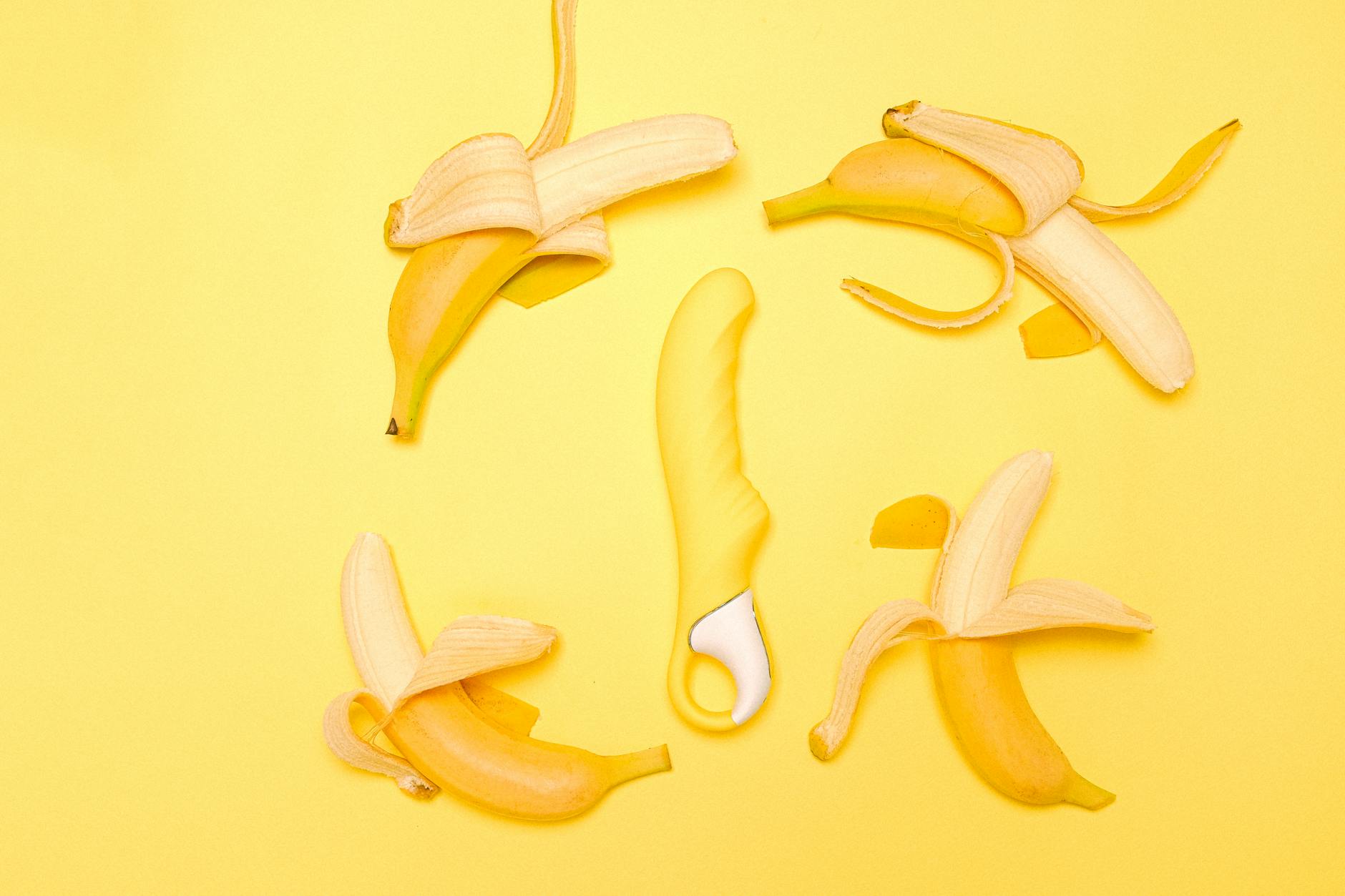
The thing nobody tells you about pleasure and adaptation
Let's be real. If you've been using a lemon vibrator or any clitoral vibrator regularly, you've probably noticed something shift. That first month? Incredible. Now it feels like you need to turn it up to eleven just to get anywhere. You might be wondering if you've broken something. You haven't.
What's happening is called sensory adaptation, and it's completely normal. Your body isn't desensitized in the way people usually think about it. It's adapted. That's different, and understanding the difference changes everything about how you approach pleasure moving forward.
Why your body adapts to stimulation over time
Here's the neurological reality. When you use a lemon vibrator consistently, your nerve endings are receiving the same signal over and over. Your nervous system is built to notice change, not constant input. Touch a piece of fabric once and you feel it vividly. Keep your hand on it for five minutes and you almost forget it's there. That's not weakness. That's how your sensory system is designed to work.
The clitoris is packed with nerve endings, which is partly why it's so sensitive to begin with. But that sensitivity is sharpest when the stimulus is new or novel. Over repeated sessions with the same pattern, the same intensity, the same toy, your nervous system essentially learns to tune it out a little. It's an efficiency mechanism. Your brain is saying, "Okay, I've catalogued this. I don't need to pay as much attention now."
This happens with all sensations. It's why you stop noticing the background hum of your fridge, why a hot bath feels less hot the longer you sit in it, why your favorite song can feel a bit stale after a hundred listens.
The difference between adaptation and desensitization
Adaptation is temporary and reversible. Desensitization, the way most people use the word, suggests permanent damage or numbness. That's not what's happening here.
Here's the clinical distinction: sensory adaptation is a neurological mechanism. Your nervous system is literally filtering input. Desensitization would mean your nerve endings have stopped working properly, which is extraordinarily rare and usually only happens with tissue damage or certain neurological conditions. You don't have it.
What you do have is a body that's gotten used to a particular pattern of stimulation. That's actually a sign you've been using your lemon vibrator regularly, which is good. It means your body knows pleasure is available. Now you just need to introduce novelty back into the equation.
Pattern variation is your first reset
The reason your lemon vibrator came with different patterns isn't marketing. It's because your nervous system responds to change. If you've been using Pattern 2 exclusively for three months, your body has adapted to Pattern 2. Switch to Pattern 5 or Pattern 7, and suddenly you'll feel like you're using a new toy.
Try this: if you have a favorite pattern, commit to not using it for a week. Use other patterns during that week. When you return to your favorite, it will likely feel new again. Your nervous system resets. The sensation rebuilds its intensity.
Rotate through patterns every few sessions, even if you have a go-to. Think of it like rearranging the furniture in your space. Everything feels fresher because the context changed, even though the components are the same.
Why intensity creep happens and how to interrupt it
When you're adapted to your current pattern and intensity, the temptation is to turn up the power. That works in the moment. You get sensation back. But then your body adapts to that higher level, and you're climbing a ladder that has no top rung.
Instead, step off the ladder entirely. Lower the intensity. Use a gentler pattern than you normally would. It'll feel less satisfying at first, but give it three to four sessions. Your body will recalibrate. You'll feel the gentler sensation more vividly because you're not chasing novelty anymore.
Some of my clients report that after a week or two of using lower intensities and varied patterns, they end up at a sweet spot they didn't know existed. The pleasure feels different, sometimes sharper, sometimes more diffuse, sometimes completely new in a way it hadn't felt in months.
The pause and reset method
If pattern rotation and intensity adjustment aren't moving the needle, try strategic pausing. Not forever. Just a break.
For many people, taking three to five days completely away from clitoral vibrators resets sensation remarkably. Your nervous system stops filtering. When you return to your lemon vibrator, the stimulation feels vivid again, almost like the first time.
This isn't punishment. This isn't about "saving it for special occasions" or any outdated scarcity mindset. It's mechanics. Your body has a novelty reset button, and pressing it takes about a week.
Some people find that a break every four to six weeks, even just a few days, keeps pleasure feeling fresh indefinitely. Others integrate it naturally without planning. You'll discover what works for your body.
When external factors matter more than adaptation
Sometimes the issue isn't sensation at all. Stress, hormonal fluctuations, relationship changes, medication side effects, sleep deprivation. all affect how intensely you experience pleasure. If you've noticed that your lemon vibrator feels less satisfying lately, ask yourself if something else in your life has shifted.
When I work with couples on pleasure and intimacy, sensitivity changes often correlate with life transitions that have nothing to do with the toy itself. New job. Relationship tension. Health anxiety. Grief. Your nervous system filters pleasure through all of that.
If sensation has dulled across multiple types of touch, not just your lemon vibrator, that's a sign something systemic has shifted. It might be worth checking in with yourself about stress, sleep, or talking to a healthcare provider about whether medications or hormonal changes are playing a role.
Mixing solo and partnered pleasure differently
Here's something worth considering. If you use your lemon clitoral vibrator solo regularly and then introduce it with a partner, the dynamic changes. The presence of another person changes your nervous system's response. You're not as deep in your own sensation anymore because you're also managing shared space, vulnerability, performance awareness.
That's not adaptation. That's just a different circuit lighting up.
Many people find that they need lower intensity or more time to warm up when using lemon sexual toys with a partner, not because their body has adapted, but because their attention is split. Understanding that difference means you stop looking for a problem and start adjusting the context instead.
Building a sustainable pleasure practice
The truth about lemon vibrators and any clitoral vibrator is that sensation is dynamic, not fixed. It changes based on your cycle, your stress levels, how much you've been using it, what patterns you're rotating through, whether you're with a partner, what's happening in your life.
That's not broken. That's normal.
A sustainable practice means treating your lemon vibrator like any other pleasure tool in your life. Use it. Pay attention to what feels good. When something shifts, adjust. Rotate patterns. Take breaks. Vary the context. Stay curious about what your body is telling you instead of assuming it's failing you.
Your sensitivity hasn't gone anywhere. It's just asking for something different.
People also ask
Does using a lemon vibrator desensitize you permanently?
No. Sensory adaptation is temporary and reversible. Your nerve endings don't stop working. Your nervous system just stops noticing constant input the same way it did initially. Pattern rotation, intensity variation, and brief breaks restore the sensation. Permanent desensitization would require tissue damage or a neurological condition, neither of which is caused by using a lemon clitoral vibrator.
How long does it take to adapt to a lemon vibrator?
It varies, but most people notice some shift in sensation intensity after four to eight weeks of regular use. It's not sudden. It's gradual. Some people don't notice it at all because they naturally rotate patterns or take breaks. Others adapt faster. It depends on how often you're using it and whether you're varying your approach.
Can I use a lemon vibrator every single day without sensitivity issues?
Yes, but with strategy. Daily use doesn't damage you or cause permanent desensitization. What it does require is pattern rotation and occasional intensity variation. If you use the same pattern at the same intensity every single day, your body will adapt faster. If you switch it up, many people use lemon vibrators daily indefinitely without losing sensation.
Should I take breaks from my lemon vibrator to maintain sensitivity?
Not necessarily. Some people find that a planned break every four to six weeks resets sensation. Others find that varying patterns and intensity makes breaks unnecessary. Try both approaches. Notice what your body responds to. Neither is mandatory, but taking three to five days off when you notice sensation has dulled often feels like flipping a reset switch.
Does lube affect how my lemon vibrator feels as I use it more?
Yes, completely. A fresh application of lube changes the glide and sensation significantly. If you've been using the same toy dry for weeks and notice sensation has dulled, try adding a water-based lubricant. It often restores that intense feeling because the friction profile has changed. Lube isn't cheating. It's adjusting the context.
Can a lemon sucker vibrator feel different than a traditional clitoral vibrator if I'm adapted?
Absolutely. The suction mechanism on devices like the Lem works through a completely different sensory pathway than traditional vibration. If you've adapted to traditional lemon vibrators, switching to a suction-based toy often feels brand new because your nervous system is processing entirely different stimulation. It's one of the most effective ways to rebuild intense sensation without changing anything about your body.
Your lemon vibrator hasn't lost its power. Your body has just learned the language it speaks. The fix isn't abandonment. It's conversation. Shift the pattern. Vary the intensity. Take a strategic break. Try a different approach. Your sensitivity is still there, waiting for something new.