The truth about clitoral numbness
You're touching yourself and feeling almost nothing. Or you're with a partner and the sensations that used to hit hard now feel muffled, distant, like you're experiencing pleasure through cotton. Clitoral numbness and reduced sensation are more common than you'd think, and they're not a permanent sentence.
What feels like damage is usually just desensitization. Your nervous system has adapted to something, and it needs help re-waking. This is where lemon vibrators and a structured approach come in.
What actually causes clitoral numbness
The short answer: anything that numbs nerves or dulls your ability to feel stimulation can cause this. Here's the breakdown.
Nerve compression and tight pelvic floor. If your pelvic floor muscles are chronically tense, they compress the pudendal nerve, which carries sensation to the entire clitoris. You might not even realize your pelvic floor is locked. Stress, past trauma, excessive kegel exercises, or repetitive tension can all do this. The irony is that clenching trying to feel more can actually create numbness.
Desensitization from vibration. If you've spent years using a high-frequency wand vibrator on high speed, your nerve endings adapt. They stop responding to that intensity the same way. This isn't damage. It's neural adaptation. Your body got used to the stimulus, so it stopped being as novel or intense.
Medication side effects. Antidepressants, anticonvulsants, blood pressure medications, and certain antihistamines can all reduce clitoral sensitivity. If you started one recently and notice numbness, that's worth a conversation with your doctor about timing or dosage adjustment.
Hormonal changes. Lower estrogen during perimenopause, postpartum, or from hormonal contraceptives can thin tissue and reduce nerve sensitivity. The vulva has tons of estrogen receptors, and when those drop, sensation often follows.
Vascular issues. If blood isn't flowing well to your clitoris, sensation drops. Smoking, diabetes, or cardiovascular stress can all compromise blood flow, which means less nerve activation.
Psychological factors. Anxiety, depression, and dissociation literally dampen sensation. Your brain isn't registering what your body is feeling. It's not in your head in the "it's fake" sense. It's in your nervous system's threat response.

Photo by Ron Lach on Pexels
Why lemon clitoral vibrators work better for this than other toys
Here's the key difference: most vibrators rely on frequency and intensity to create sensation. A wand vibrator might deliver 6,000+ vibrations per minute, and that high-frequency input is exactly what desensitized your nerves in the first place.
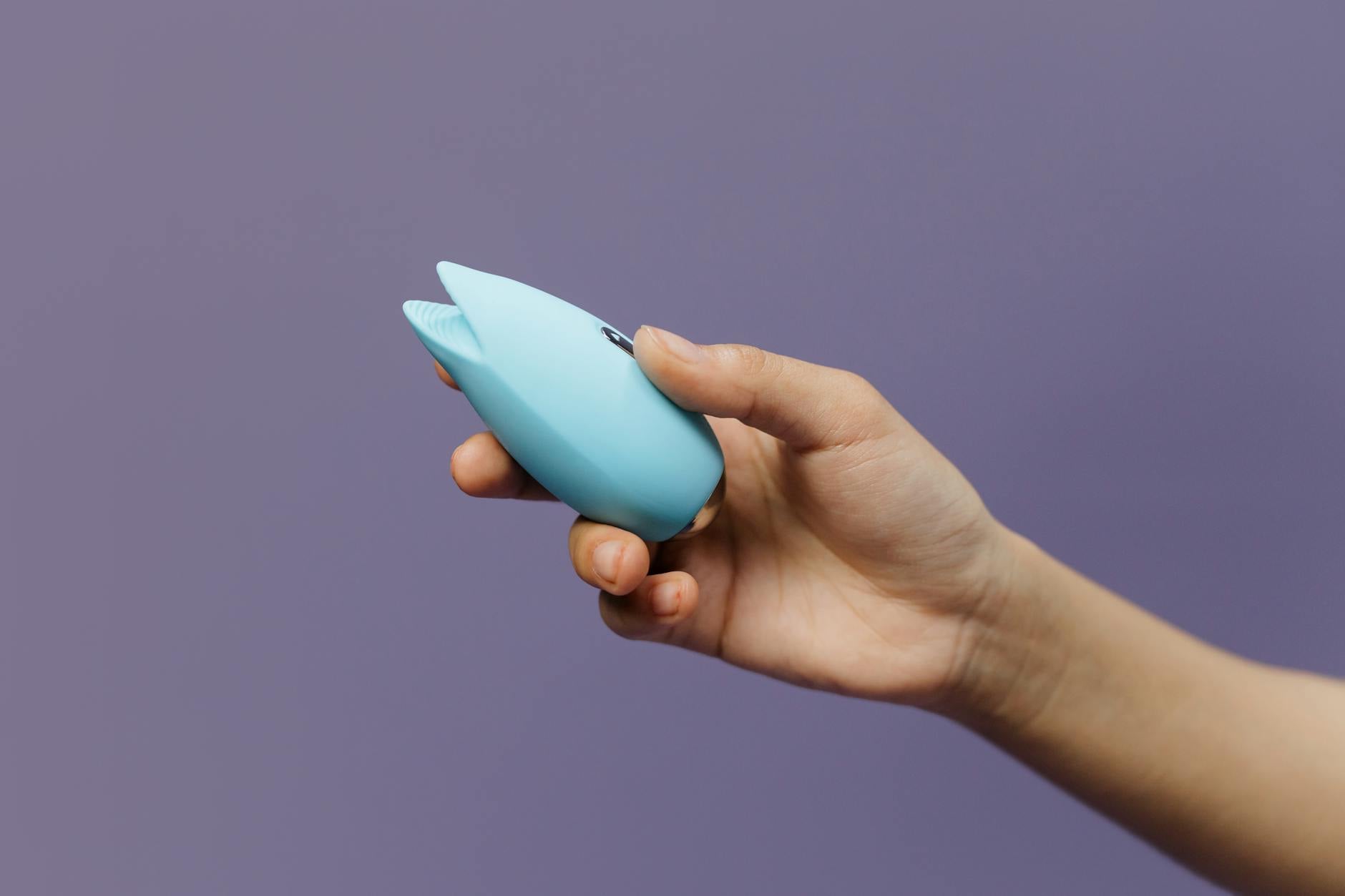
Lemon vibrators, and specifically the Lem, use air-pulse suction technology instead. That's completely different neurologically. Rather than numbing vibration overload, suction activates different nerve pathways. It creates rhythmic pressure changes that wake up nerves that have been quiet. It's like switching from the highway to a back road in your nervous system.
This also matters for pelvic floor tension. Suction actually helps relax an overly tight floor because the sensation is more diffuse and less pointy. A vibrator can feel invasive if your pelvic floor is already clenching. Suction feels more like pressure and release, which is gentler and actually easier for your body to receive.
Lemon sexual toys are also designed for external-only stimulation, which means you're not dealing with internal pressure if internal sensation is part of your numbness. That focus on the clitoris itself, without added complexity, is exactly what a desensitized nervous system needs.
The rewiring protocol: how to use a lemon vibrator step by step
This isn't about willpower or pushing through. It's about patient, consistent stimulation that gradually wakes your nervous system up.
Week 1: Explore without vibration. Before you touch the button, spend 5 minutes a day just holding your lemon vibrator against your clitoris. No movement, no vibration. Just pressure and warmth. Your nervous system needs to remember what direct contact feels like. Pay attention to where you feel anything. Subtle tingle. Slight awareness. Anything counts.
Week 2: Turn it on at pattern 1. That's the lowest setting, usually a gentle pulse. Keep the vibrator in place for 2 to 3 minutes, then break for 30 seconds. Notice if sensation is building or if you're still numb. Don't expect an orgasm. Expect nothing. Just observation.
Week 3: Extend time, add movement. Now you can use pattern 1 and 2, moving the vibrator very slightly. Rock it gently side to side instead of holding it still. Again, 3 to 5 minutes at a time. The goal is to introduce variation without overwhelming. Variation helps your nervous system stay engaged because novelty itself wakes up dulled nerves.
Week 4 onward: Gradually increase intensity. If you're noticing a difference by week 3 or 4, you can start trying pattern 3, then 4. The key word is gradually. You're not trying to get to the highest setting. You're trying to find a sweet spot where you feel something without feeling numb or, conversely, overstimulated.
The whole process takes about 4 to 8 weeks. Some people see shifts in two weeks. Others need two months. That's not failure. That's your nervous system doing the work it needs to do.
Addressing pelvic floor tension first
If you've been experiencing clitoral numbness for a while, your pelvic floor is probably tight. You can't rewire sensation without addressing that first. Before or alongside your lemon vibrator routine, do this:
Pelvic floor relaxation breathing. Breathe in for 4 counts, then slowly exhale for 6 counts while consciously relaxing the muscles around your vagina and anus. Do this for 5 minutes a day. It sounds simple because it is, but breathing is the nervous system's off switch. It signals safety to your body.
Warm compress or soaking. Heat relaxes muscle tension. Spend 10 minutes in a warm bath or apply a warm compress to the external vulva before using your lemon vibrator. Warm tissue is more responsive tissue.
If pelvic floor tension is severe (you can't relax even with breathing work, or sex is painful), see a pelvic floor physical therapist. That's not overkill. That's preventive. One or two sessions with someone trained in nerve desensitization can clarify whether this is pelvic floor related and teach you targeted relaxation techniques.
Managing the emotional piece
Reduced sensation often arrives with shame. "Why can't I feel anything? Is my body broken? Will I ever enjoy sex again?" The answer is yes, but only if you're not adding emotional pressure on top of physiological work.
Your nervous system is hypervigilant right now. Adding performance pressure, frustration, or despair makes that worse. This protocol only works if you approach it with patience and curiosity instead of judgment. That's not spiritual advice. That's neurology. A threat response (frustration, shame) activates the same tension that's causing numbness in the first place.
If you're using a lemon vibrator with a new partner, this is worth naming. "My sensation is muted right now, and I'm working through that. Let's use this tool together and focus on what does feel good instead of what doesn't." Partners who understand the rewiring work are partners who help make it possible.
One more thing: if this is medication related, you have options. Some people do well switching antidepressants. Others add a medication that can counteract sexual side effects (like bupropion or buspirone). Talk to your prescriber. Don't just suffer through or stop taking something on your own. But you're allowed to ask for help with this side effect. It's medicine, not morality.
When to see a specialist
If you've been using this protocol consistently for 8 weeks and you're still feeling no change, see a gynecologist or sexual health specialist. Reduced sensation can sometimes indicate underlying vascular issues, severe pelvic floor dysfunction, or hormonal imbalance that needs medical attention. It's not common, but it happens.
Also see someone soon if numbness came on suddenly after an injury or surgery, or if you're having pain alongside the numbness. That's different from gradual desensitization and needs professional evaluation.
FAQ: Clitoral numbness and lemon vibrators
Is clitoral numbness permanent?
No. The vast majority of people who work with this methodically see improvement within 2 to 3 months. Permanent sensory loss from vibrator use alone is extremely rare. More common is adaptation, which is reversible once you change your approach.
Can I use my old vibrator while rewiring sensation?
Not yet. Keep it in a drawer for now. Switching back and forth between high-intensity vibration and the gentle rewiring work confuses your nervous system. Once sensation is restored and stable for a few months, you might be able to reintroduce other toys without losing progress. But for the rewiring phase, stick with your lemon vibrator and nothing else.
Does rewiring sensation work if I have a partner, or is it solo only?
It works both ways. Solo sessions help because there's no pressure to perform. But partnered touch (hands, mouth, or even a lemon vibrator used by a partner) can also help rewire sensation if the partner understands the goal isn't orgasm, it's building sensation back. Communicate clearly about what helps and what feels pressured.
What if I feel worse before I feel better?
Initially, increased sensation can feel like heightened sensitivity or even irritation. That's normal. You're waking up nerves that have been quiet. It usually settles within a few days. If irritation persists (burning, rawness), back off for a few days, then start again with even gentler contact. If it doesn't improve, see your doctor to rule out infection or skin sensitivity.
Can antidepressant numbness get better without changing medication?
Sometimes. If you've been on the same antidepressant for 6 months or more, your body has adapted to the sexual side effect. The numbness can improve slightly just with targeted stimulation work like this. But if it's bad, ask your prescriber about switching to a medication with fewer sexual side effects, or timing your doses differently. It's a real symptom worth taking seriously.
How do I know if my pelvic floor tension is the cause?
Try this: put a clean finger inside your vagina while you're relaxed (like after a bath or during non-aroused time). Can you feel the muscles around your finger? Now try to relax them further. If you can't relax them even a little, or if the muscles feel rock-hard, pelvic floor tension is probably contributing. A pelvic floor PT can assess this more accurately.
The path forward
Clitoral sensation isn't hardwired. It's malleable, responsive, and absolutely capable of coming back online with the right approach. That approach requires patience, consistency, and a toy that works with your nervous system instead of against it. Lemon clitoral vibrators are designed for exactly that. Start with week 1, trust the process, and give your body the time it needs to rewire. You're not broken. You're just rebooting.
If you're ready to explore this with the right tool, Hello Nancy's Lem vibrator is built for sensitivity work. If you have questions about where to start or what might be specific to your situation, reach out to us. We're here to help.