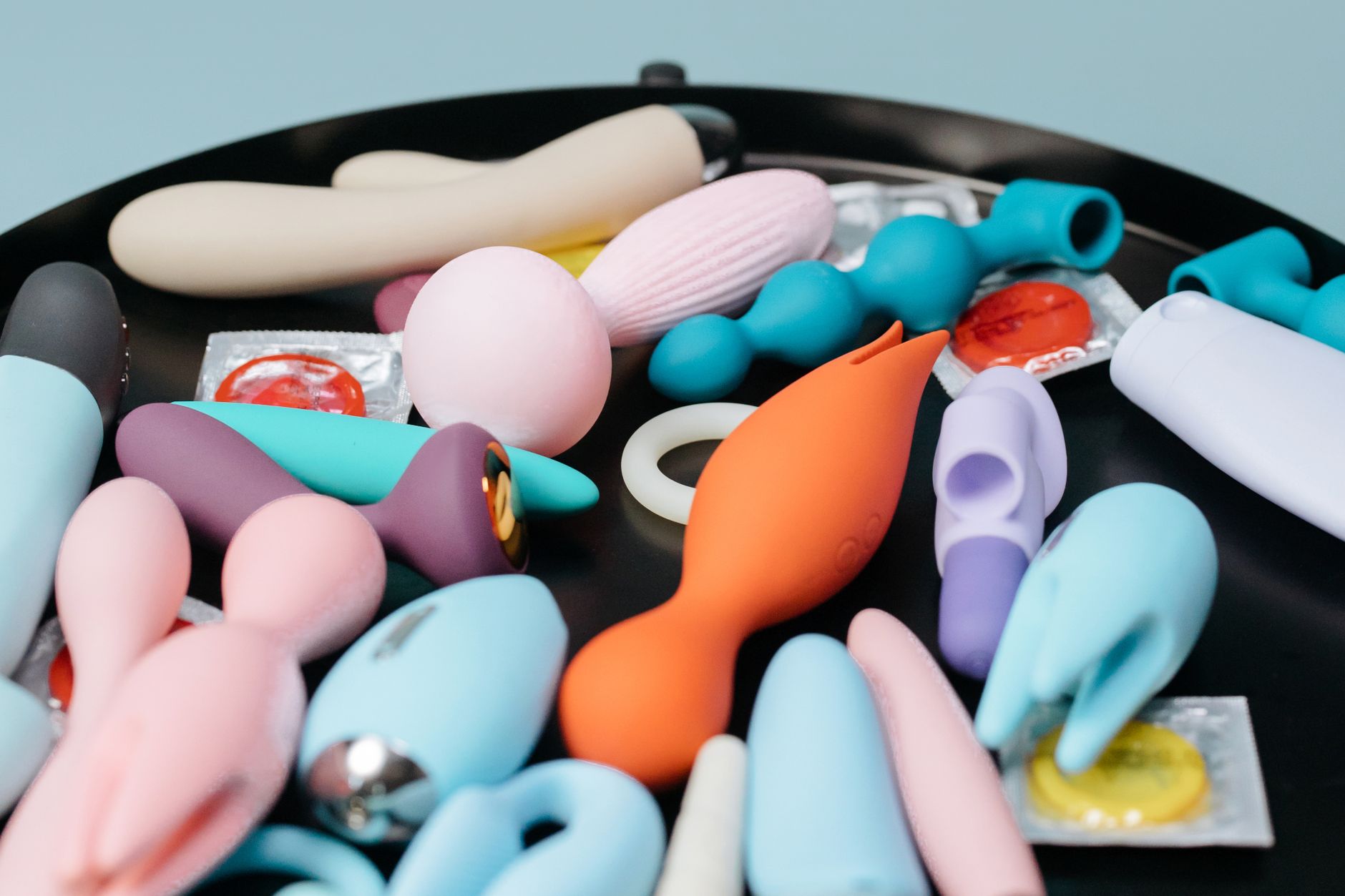
The problem nobody wants to say out loud
One of you wants sex three times a week. The other wants it twice a month. Nobody's broken. Nobody's wrong. But the gap creates a low hum of tension that colors everything else in the relationship. Resentment builds quietly. The person with higher desire feels rejected. The person with lower desire feels pressured. Neither of you wants to hurt the other, so you stop talking about it.
This is one of the most common relationship problems I see. And it's one of the easiest to shift, if you're willing to use a tool you might not have considered yet.
Why the lemon vibrator changes the conversation
Here's what makes a lemon clitoral vibrator different from "just using a toy." When desire levels don't match, the lower-desire partner often feels like their body is being used to meet the higher-desire partner's needs. That creates exactly the wrong dynamic for intimacy. A toy can flip that script entirely.
With a lemon vibrator, the lower-desire partner can experience pleasure on their own terms. They can take time to warm up. They don't have to perform for anyone. And the higher-desire partner gets to stay close and present without feeling rejected or resentful. Both people are getting something real.
That's not compromise. That's a setup where everyone actually wins.
The basic setup that works
Let's say you (the higher-desire partner) want sex more often than your partner does. Here's what I typically suggest.
Schedule a conversation outside the bedroom. Not during sex, not while you're both frustrated. Over coffee or a walk. Tell your partner: "I've been thinking about how to make this work better for both of us. I want you to feel good, not pressured. I want to feel connected without resentment. What if we tried something together?"
Then introduce the lemon vibrator as a tool for shared pleasure, not a workaround. That language matters. This isn't "I'll just use a toy because you won't have sex with me." It's "I want to find a way we both feel good and stay close."
The beauty of a lemon vibrator is its design. It's simple, intuitive, and it focuses on clitoral pleasure in a way that feels intimate with a partner present. You're not replacing connection. You're expanding what connection looks like.
Three patterns that actually work
Pattern 1: The "yes, and" evening. Your lower-desire partner says yes to intimacy, but at a lower intensity than you usually want. You use a lemon vibrator together. This means you stay present, close, maybe using your hands or mouth while they use the vibrator. You're both getting pleasure. The higher-desire partner doesn't feel sexually frustrated. The lower-desire partner doesn't feel coerced into penetrative sex they're not in the mood for.
Pattern 2: The "you first" practice. Once or twice a week, the higher-desire partner uses the lemon vibrator to pleasure their lower-desire partner. No expectation of reciprocation. No performance pressure. The lower-desire partner gets to receive, relax, and often finds that pleasure builds their own desire naturally. This takes pressure off. It also often rebuilds genuine interest because sex feels like something that happens to them in a good way, not something they have to produce.
Pattern 3: The solo-to-shared transition. The lower-desire partner masturbates with the lemon vibrator on their own schedule, when they actually want to. Then, when the higher-desire partner is around, they use it again together. This sounds redundant, but it's not. It separates pleasure-for-self from pleasure-with-partner. Both matter. Both deserve attention.
What changes when you actually do this
I've seen couples go from barely having sex to having it twice as often, just by shifting the dynamic this way. The lower-desire partner stops feeling like they're disappointing anyone. They start initiating more because sex doesn't feel like an obligation. The higher-desire partner feels less rejected because the connection is consistent, even if the frequency isn't what they originally wanted.
You also stop keeping score. That's huge. Desire discrepancies almost always come with hidden resentment on both sides. Once you have a structure that works, you can actually enjoy each other again.
The lemon clitoral vibrator does this because it's designed for what it is. It's not trying to be a wand, not trying to be penetrative. It's precision pleasure. For the lower-desire partner, that means they can warm up faster and feel more. For the higher-desire partner, it means they get to watch their partner experience real pleasure, which is often more satisfying than having a particular kind of sex.
The conversation that needs to happen first
Before you bring a lemon vibrator into the bedroom, you need to have the real conversation. Not during sex. Not in anger. When you're both calm and have time.
The higher-desire partner should say something like: "I care about us. I need physical connection. I don't want to feel rejected, but I also don't want you to feel pressured. Can we find a way that works for both of us?"
The lower-desire partner should be honest too. "I love you. I'm just not always in the mood. Sometimes it takes longer for me to warm up. Sometimes I feel like I'm just there to meet your needs. I want to enjoy this again." That honesty is the foundation. Without it, even the best tool won't help.
Then you can introduce the lemon vibrator as a solution that respects both people's actual experience.
When desire mismatch signals something bigger
Sometimes mismatched desire is just chemistry and personality. Sometimes it's hiding something else. If the lower-desire partner has recently dropped their desire sharply, or if they're only uninterested with you (not in general), that's worth exploring separately. Low desire can signal depression, hormonal changes, medication side effects, or relationship strain that goes deeper than just libido.
A lemon vibrator won't fix those things. But once you know what's actually going on, you can address it and use the vibrator as part of rebuilding connection.
Logistics that matter
Here are the practical things I tell couples.
First, invest in actual lubrication. Don't skip this. Water-based lube makes everything easier, especially if the lower-desire partner struggles with natural lubrication. That's almost always a sign they're not fully aroused yet, not a sign they're broken.
Second, set realistic timing. If the lower-desire partner usually needs 15-20 minutes to get aroused, budget that. Don't expect a lemon vibrator to instantly override that. It helps, but it doesn't erase arousal needs.
Third, make sure the higher-desire partner actually enjoys the dynamic. If you're just watching your partner use a vibrator and feeling nothing, that's not going to work long-term. You need to find a role that keeps you connected and satisfied too.
The real outcome
Desire mismatch doesn't have to be a relationship problem. It usually becomes one because couples don't know how to talk about it or work with it. A lemon vibrator can't fix communication gaps. But it can give you a practical structure while you build better ones.
Most couples I work with find that once they stop fighting about frequency and start actually enjoying sex when they have it, the frequency naturally moves closer together. Not because anyone's forcing anything. Just because sex stops being a source of tension and becomes something you both actually want again.
That's the shift. And often, it starts with a tool as simple as a lemon clitoral vibrator and a conversation that says: "I want us both to feel good."