Let's start with the frustrating part
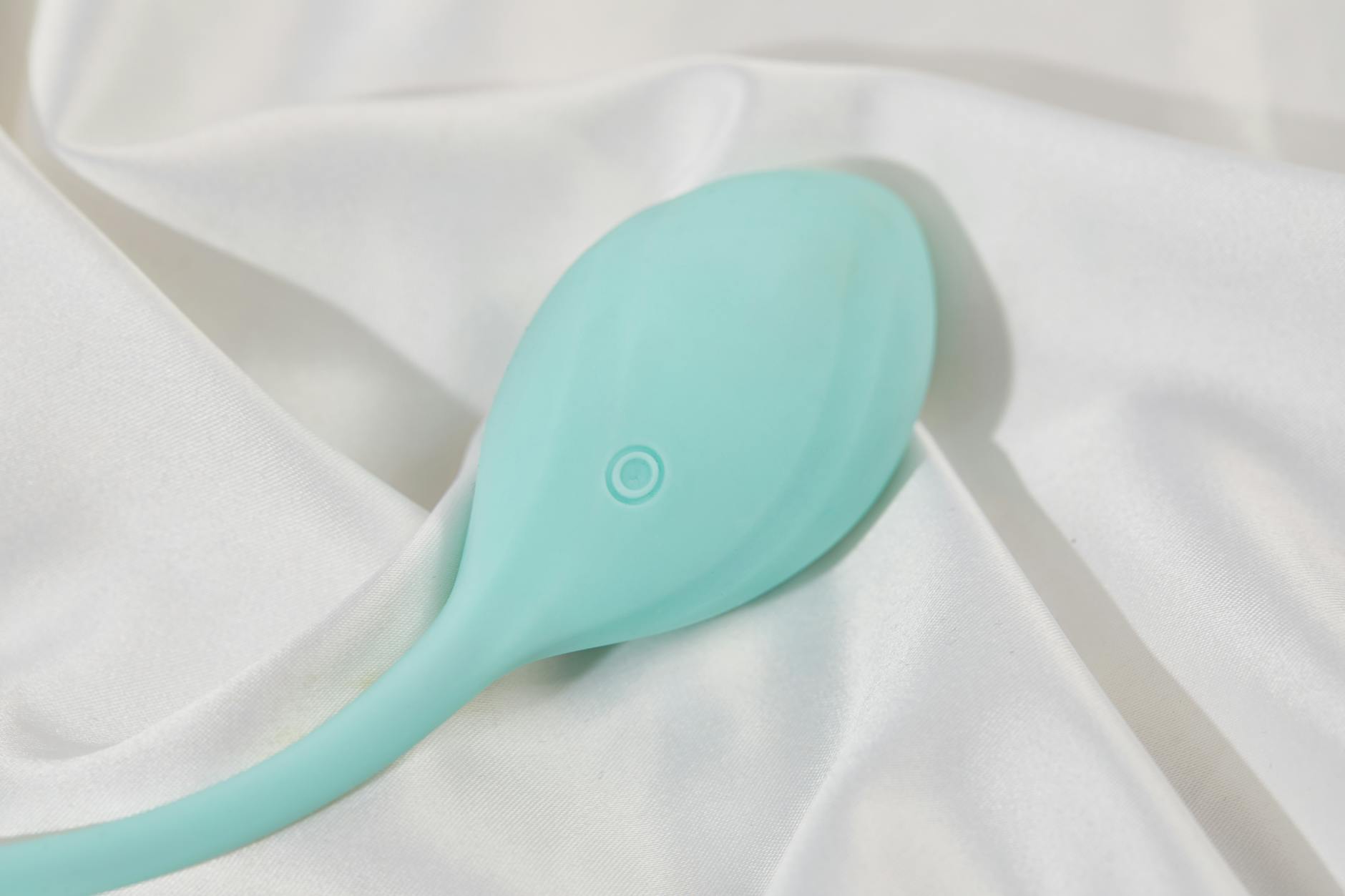
You bought a lemon vibrator. It worked beautifully the first few times. Then work got chaotic, your relationship hit a rough patch, or anxiety about money started creeping in at 3 a.m. Suddenly, even your favorite adult toy that used to deliver reliable clitoral stimulation feels... disconnected. Your body isn't responding. You're not getting there. And now you're stressed about being stressed, which makes it worse.
You're not broken. Your lemon vibrator isn't broken. Your nervous system is running the show, and right now it's telling your body that survival matters more than pleasure.
What happens physiologically when stress takes over
When you're under sustained stress or anxiety, your body floods with cortisol and adrenaline. These hormones are brilliant at keeping you sharp and focused when there's a deadline or a conflict to navigate. They're terrible for arousal.
Here's the chain reaction. Cortisol triggers your sympathetic nervous system, the fight-or-flight branch. Blood vessels constrict. Your clitoris and vulva receive less blood flow. The vaginal walls become less lubricated. Your pelvic floor muscles tense up defensively. At the same time, the brain regions responsible for pleasure and orgasm literally dim down. Neuroimaging shows that under stress, the prefrontal cortex and the reward centers go quiet.
Meanwhile, the amygdala, your threat-detection system, gets louder. You're hypervigilant. You're thinking about the email you didn't send. You're worrying whether you're "doing it right." That mental noise is incompatible with the kind of focus orgasm requires.
So you're trying to have an orgasm with a lemon vibrator while your nervous system is convinced something is about to attack you. No wonder it feels off.
Why your lemon clitoral vibrator still has power here
The good news. A high-quality lemon sucker like the Lem isn't just relying on your body's natural responses. It's creating consistent, direct stimulation that can sometimes bypass the arousal bottleneck. The sustained suction pattern gives your nervous system something concrete to focus on, which can actually interrupt the stress loop.
That's why some people find that using a lemon vibrator during high-stress periods actually works better than it does in calm times. The device becomes an anchor. It gives your brain permission to step out of threat mode for a few minutes.
But there's a catch. If the stress is so intense that your nervous system refuses to shift at all, even the best clitoral vibrator won't force an orgasm. And that's worth respecting rather than fighting.
The four-step nervous system reset
If you want to use your lemon adult toy effectively while you're managing stress or anxiety, the prep work matters as much as the device itself. Here's what I recommend to my clients.
1. Discharge the cortisol load first. You can't think your way out of a flooded nervous system. Movement helps. A 15-minute walk, 10 minutes of stretching, or even five minutes of shaking your body (yes, literally moving around like you're shaking off water) signals to your nervous system that the threat has passed. Once the cortisol starts dropping, arousal becomes possible again. Then introduce your lemon vibrator.
2. Create a deliberate sensory boundary. Your phone is off. Your door is locked. You know you have 20 minutes with zero interruptions. This permission is essential. The brain can't shift into pleasure mode if it's still scanning for threats. Many people find that the ritual of preparation matters as much as the lemon clitoral vibrator itself. You're essentially telling your nervous system, "It's safe to feel good now."
3. Start with non-genital touch. Before you reach for your lemon vibrator, spend 5 to 10 minutes touching your arms, your neck, your inner wrists. This activates the parasympathetic nervous system, the rest-and-digest branch. It's like warming up before exercise. When you finally bring your adult toy into play, your body has already begun the shift from "threat" to "pleasure."
4. Use your device as a focus object, not a performance tool. Notice the difference between "I need to come now" and "I'm going to explore what my body feels like when I use this lemon vibrator tonight." The first sentence activates threat again. The second is curiosity. Your nervous system responds to the difference. If you come, wonderful. If you don't, that's still useful information about what you need right now.
When anxiety about the orgasm itself becomes the problem
Here's a tricky dynamic I see often. You're using your lemon sexual toy, and instead of relaxing into the feeling, you're monitoring yourself. "Am I close? Is this working? Why isn't this happening?" You're in your head, watching yourself try to orgasm rather than experiencing it. That's your threat-detection system again, disguised as performance anxiety.
The fix is acceptance, which sounds vague but works in practice. When you notice the internal commentary starting, name it. "That's my anxiety talking. I'm safe. My body doesn't need to perform for me." Then redirect your attention back to sensation. What does the suction feel like? Is it too intense or just right? This shift from judgment to observation moves you back toward the parasympathetic nervous system.
The relationship-stress wildcard
If the stress is relational (conflict with your partner, grief about distance, feeling unseen), your lemon clitoral vibrator can still work, but it becomes a different kind of tool. It's not about proving you can still come. It's about reclaiming your own pleasure as a form of self-care and autonomy. Solo use of your lemon vibrator during relational turbulence is often more effective than partnered sex, because there's no performance pressure and no one else's needs in the room.
That said, if the relationship stress is severe, the orgasm won't fix the relationship. It might give you a temporary nervous system reset, which is valuable. But the real work happens in conversation and repair. Your adult toy can support your wellbeing while you're navigating that. It can't replace the work itself.
When to talk to someone
If stress and anxiety have completely flattened your ability to feel arousal or orgasm for more than a few weeks, that's worth mentioning to a therapist or doctor. Chronic stress affects the whole system, and sometimes the fix isn't about your lemon vibrator at all. It's about treating the underlying anxiety or checking medication side effects.
If you're in a high-stress period but you can still feel moments of arousal and pleasure, even if orgasm feels distant, your nervous system is functioning. The lemon clitoral vibrator can be part of your toolkit while you manage the stress itself.
FAQ
Can stress permanently damage my ability to orgasm with a lemon vibrator?
No. Your nervous system is designed to move between states. Once the stress decreases, arousal capacity returns. Some people find their orgasms are even stronger once they've moved through a stressful period and come out the other side. Your lemon sexual toy will work again.
Should I stop using my lemon vibrator if I'm not coming?
Not necessarily. Some people use their device during stress purely for the nervous system reset, regardless of whether orgasm happens. The suction and stimulation itself can feel grounding. If it feels good to use it, use it. If it feels frustrating, take a break and try again when the acute stress has eased.
Does anxiety medication make it harder to orgasm with clitoral vibrators?
Some antidepressants and anti-anxiety medications can affect arousal and orgasm. If you've recently started a new medication and noticed a change, mention it to your prescriber. There are often adjustments or alternatives that work better with your sexual response. Your lemon vibrator performance isn't the issue. The medication might need tweaking.
How long does it take for arousal to come back after a stressful period?
It depends on the stress and your individual physiology. Some people notice a shift within days of the stressor easing. Others take weeks or months to fully recalibrate. The important thing is to be patient with yourself and not use continued low arousal as evidence that something is wrong with you or your body.
Is it normal to need more stimulation with my lemon clitoral vibrator when I'm stressed?
Completely normal. Stress dampens sensation, so you might need higher intensity, longer duration, or both. You may need to spend more time on warm-up before even turning on your lemon vibrator. Your needs shift with your nervous system state. Adjust accordingly and check in with how your body feels.
Can my partner help me reconnect with pleasure during a stressful time?
Absolutely, but the frame matters. If your partner approaches it as "let's fix this," it adds pressure. If they approach it as "let's just touch and see what feels good, no goal," that takes the performance anxiety down. Many couples find that using a lemon vibrator together during stressful times creates space for non-goal-oriented intimacy that actually helps both people relax.
The bottom line
Stress and anxiety are real, legitimate reasons why your lemon vibrator might feel less effective. It's not a flaw in you or in the device. It's your nervous system prioritizing survival over pleasure, which is exactly what it's designed to do.
The way through is to address the nervous system directly. Move your body, create safety, slow down your breath, and give yourself permission to explore pleasure without performance pressure. Your lemon clitoral vibrator can be part of that exploration, or it can take a back seat while you manage the stress itself. Both are fine.
When the pressure eases, arousal returns. And your favorite adult toy will be waiting, ready to deliver the reliable clitoral stimulation that made you love it in the first place. For now, the kindest thing you can do for your body and your pleasure is to address the root cause rather than pushing through. If you'd like to talk through what's getting in the way, reach out.