Here's the honest part
Vulvodynia is relentless. Unprovoked pain, burning, rawness, pressure. Most of the time you're just trying to get through the day. The idea of adding a vibrator to that feels impossible. And honestly, with most toys, it would be.
But here's the thing nobody tells you: not all vibrators hurt the same. The mechanism matters more than you'd think.
What vulvodynia actually does to pleasure
Vulvodynia is essentially a chronic pain condition affecting the vulval area. The nerves are hypersensitized. Touch that would feel fine on, say, your forearm registers as painful or burning on your vulva. Direct pressure, friction, and intense vibration all tend to amplify that pain signal instead of overriding it.
Most vibrators on the market rely on rapid vibration or rotation. They move back and forth at high frequency against tissue that's already in a state of alert. For people with vulvodynia, that's like throwing lighter fluid on a fire.
The result? Pain spirals. You try a toy, it hurts, your nervous system records another threat, and the next time you try, your body is braced for pain before you even start.
Why suction works differently
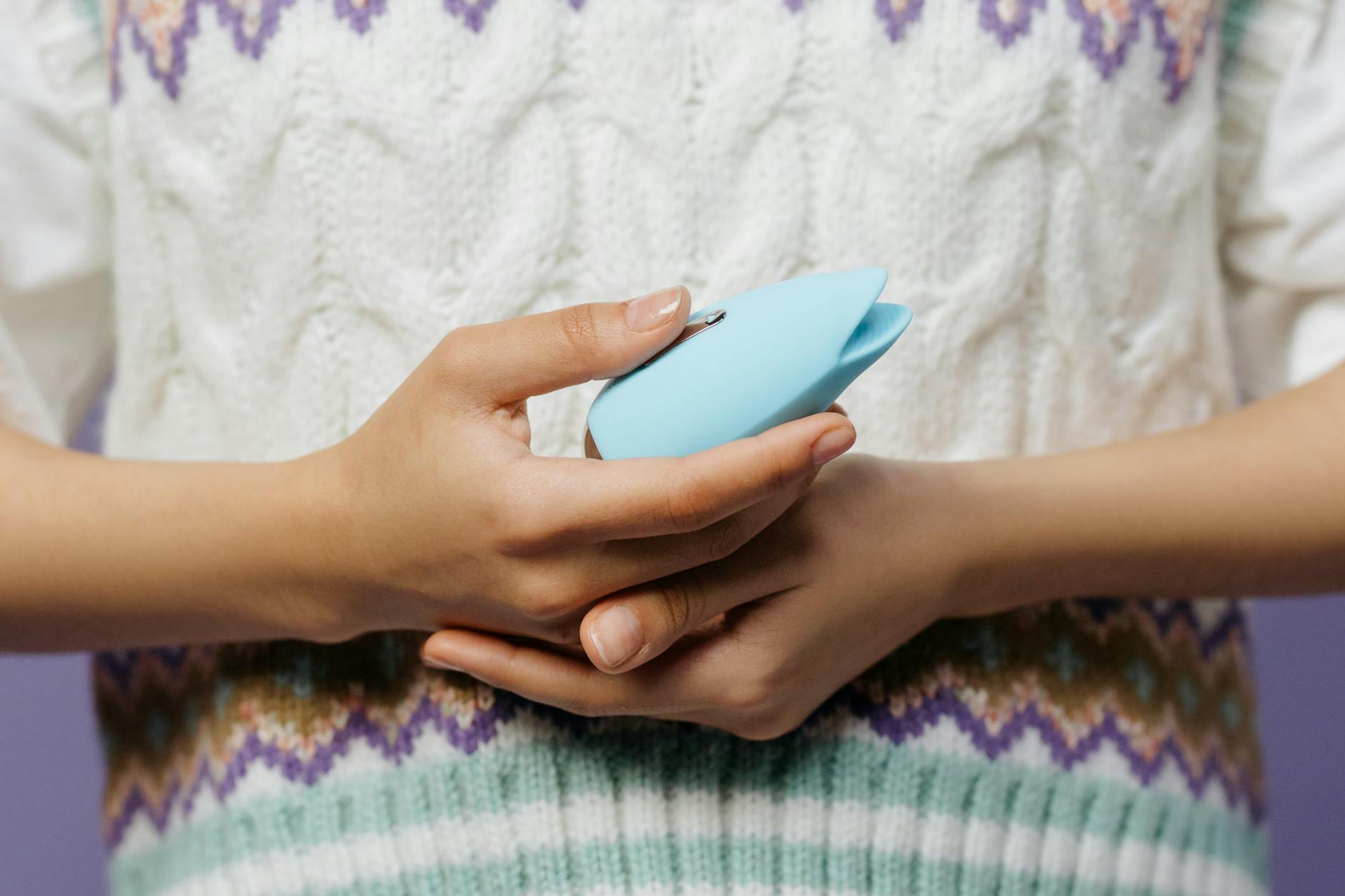
Lemon clitoral vibrators use air-suction technology, which creates a gentle vacuum around the clitoris rather than direct vibration against tissue. This matters because suction stimulates the nerve endings without the same mechanical friction.
Think of it like this: direct vibration is like tapping on a nerve repeatedly. Suction is like creating a gentle pressure gradient that recruits the same sensory nerves but through a completely different pathway.
For vulvodynia specifically, this distinction is crucial. The suction mechanism distributes sensation differently across a wider sensory field. It doesn't concentrate all the stimulation on one point. Your nervous system processes it as different, which often means less pain.
The clinical reality
I've worked with dozens of clients who have vulvodynia or related pain conditions. The ones who've had success with pleasure again almost always started with lower-intensity, non-direct-contact toys. The Lem vibrator, designed as a lemon clitoral vibrator with suction, comes up again and again.
It's not magic. It's biomechanics. When the stimulus pattern changes, the nervous system's threat response can sometimes quiet down enough for pleasure to exist in the same moment.
People with vulvodynia often describe the difference like this: traditional vibrators feel like they're making pain worse. The Lem feels like it's creating a different sensation entirely. Not pain-free necessarily at first, but less like aggravation and more like actual stimulation.
Starting if you have vulvodynia
Three practical things matter most:
Start absurdly low. The Lem has multiple patterns and intensity levels. Start at pattern one, setting one. Spend three sessions here. Your nervous system needs evidence that stimulation doesn't equal threat. You're basically retraining pain signaling.
Use lube, even though you might think you don't need it. Lubricant isn't about glide in this context. It's about reducing any micro-friction and creating a protective barrier. A water-based lube gives your tissue a buffer between itself and the toy.
Stop at the first hint of pain. Not discomfort. Not sensation you're not sure about. Pain. If it hurts, you're reinforcing pain pathways. Twenty seconds of gentle exploration is better than five minutes of white-knuckling through burning.
What actually helps alongside the toy
A lemon sucker vibrator is useful, but it's not treatment for vulvodynia. It's a tool within treatment. Here's what actually moves the needle.
Pelvic floor physical therapy changes everything. A pelvic floor PT can identify tension patterns you don't even know you have. Most people with vulvodynia are holding tension in their pelvic floor as a protective response. That tension makes pain worse. A PT teaches you to release it.
Trigger point release, stretching, and sometimes desensitization exercises all matter. The toy becomes useful in that context. You're not using it in isolation. You're using it as part of a broader nervous system reset.
Mind-body work helps too. Not in a spiritual, woo-woo sense. In a neurobiological sense. Your brain is getting repeated pain signals from your vulva. That loop gets reinforced. Somatic or sensate focus exercises can interrupt that loop. The toy becomes part of that interruption.
When to see a specialist
If you think you have vulvodynia and you're not currently working with a pelvic floor PT, that's step one. A gynecologist trained in vulvodynia can rule out other conditions and sometimes recommend topical treatments that help.
Vulvodynia is real, it's common, and it responds to the right interventions. A lemon clitoral vibrator isn't a cure. But it can be the bridge between pain and pleasure while you're doing the actual work of healing.
The reset takes time
Your nervous system didn't get hypersensitized overnight. It won't calm down overnight either. People often tell me they tried a toy once, it didn't feel amazing, and they gave up. With vulvodynia, you're not looking for amazing. You're looking for the absence of worse. Then you build from there.
The Lem vibrator, used gently and consistently over weeks, can help create that absence. Not because it's magic. Because suction-based lemon adult toys stimulate differently, and sometimes different is the only way back to pleasure.
Frequently asked questions
Can you use a lemon vibrator if you have vulvodynia and haven't had successful treatment yet?
Yes, but carefully. Vulvodynia means your tissues are sensitive, and aggressive stimulation will worsen pain. A lemon clitoral vibrator with adjustable intensity is a better choice than fixed-speed toys because you control exactly how much stimulation your body receives. Start with the lowest setting and shortest duration. If you notice increased pain afterward or during, stop using it until you're working with a pelvic floor physical therapist.
Why do lemon sucker vibrators hurt less than regular vibrators for people with vulvodynia?
Regular vibrators use direct vibration against tissue. That repetitive mechanical friction can feel like aggravation to hypersensitized nerves. Lemon vibrators use air-suction technology, which creates gentle pressure without direct contact. The sensation pathway is different, and many people with vulvodynia find this less likely to trigger pain responses. The key is that suction distributes stimulation more broadly instead of concentrating it in one point.
Should you use lubricant with a lemon vibrator if you have vulvodynia?
Yes, always. Even if lubrication isn't your usual concern, lube creates a protective barrier between toy and tissue. With vulvodynia, that barrier matters because it reduces micro-friction and gives your already-sensitive tissue extra buffering. Use water-based lube for compatibility with silicone toys.
How long does it take for a lemon vibrator to stop hurting if you have vulvodynia?
It varies widely depending on how severe your vulvodynia is and what other treatment you're doing. Some people notice a shift within a few sessions. Others take weeks. The point isn't to force pleasure. It's to gradually teach your nervous system that this specific stimulus isn't a threat. Consistency matters more than duration. Two minutes twice a week for four weeks beats twenty minutes once and then stopping.
Can you use a lemon clitoral vibrator during a vulvodynia flare?
Generally no. During a flare, your nervous system is already in overdrive. Adding any stimulation, even gentle suction-based stimulation, can amplify the pain response. Wait until your flare has calmed. When you're not actively in pain, that's when the toy becomes useful for retraining sensation.
What's the difference between using a lemon vibrator and pelvic floor physical therapy for vulvodynia?
They're not either-or. Pelvic floor PT addresses the muscle tension, nerve sensitivity, and pain patterning that create vulvodynia. A lemon vibrator is a tool you use within that context to practice pleasure and help your nervous system recognize that stimulation can exist without pain. PT is the treatment. The toy is the practice.
The bottom line
Vulvodynia makes most pleasure impossible. That's the reality nobody sugarcoats enough. But suction-based lemon clitoral vibrators operate on a different mechanism than traditional vibrators, and that difference can matter. Combined with proper medical support and pelvic floor work, a Lem vibrator can be the bridge between pain and pleasure again. Not because it's magic. Because sometimes changing the mechanism changes everything.
If you're navigating vulvodynia and want to explore pleasure safely, start here: find a pelvic floor PT, start absurdly low with your toy, use lube, and give it time. Your nervous system can learn. It just needs the right signals.