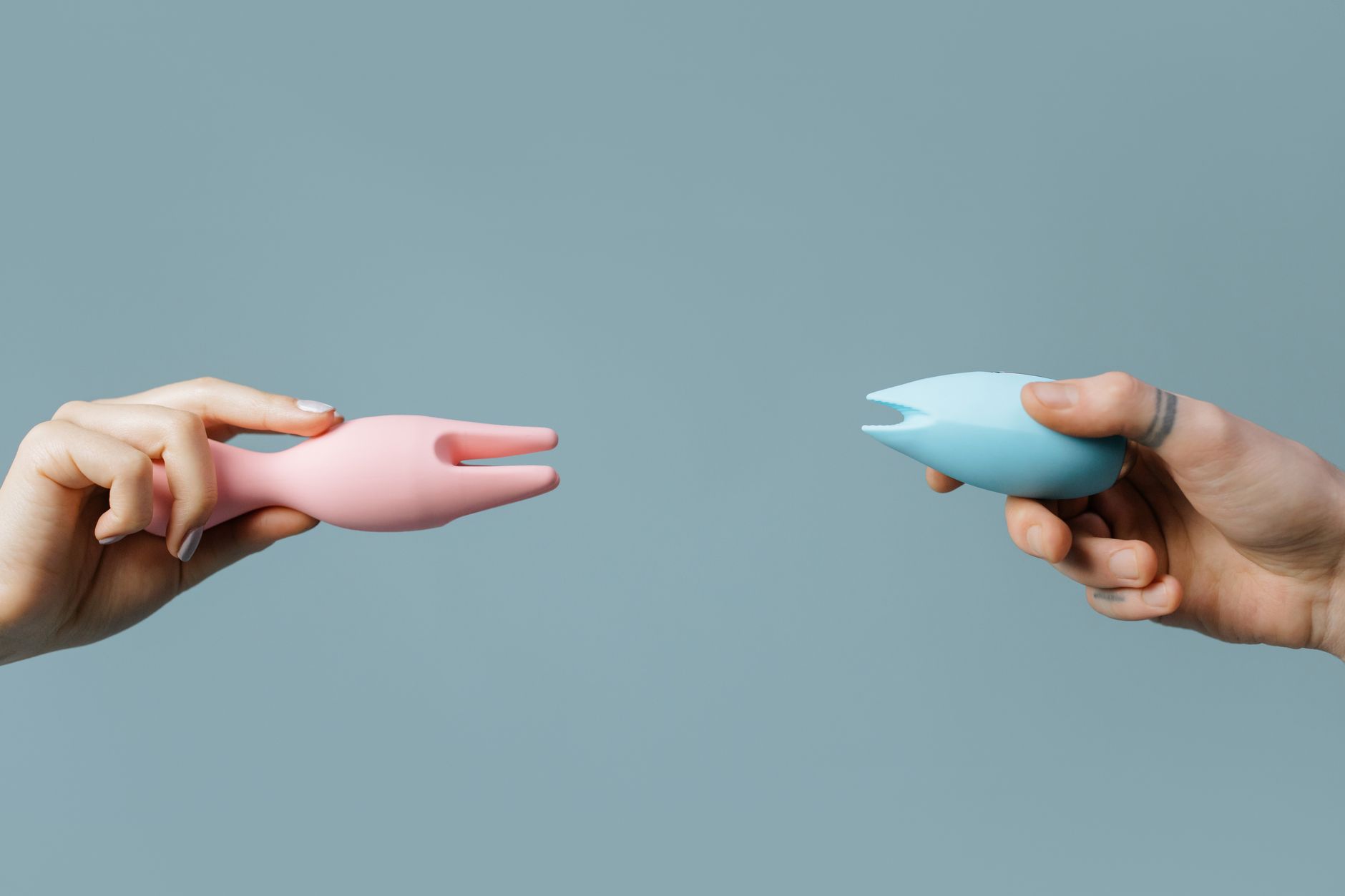
The distraction trap is totally real
You start solo time with genuine intention. Then, three minutes in, your mind is somehow reorganizing your kitchen cabinets. By the time you notice you've drifted, you've lost the physical momentum entirely. Sound familiar? You're not broken. You're just human.
The truth is that solo pleasure requires sustained mental focus in a way partnered sex sometimes doesn't. With a partner, there's novelty, responsiveness, back-and-forth attention. Alone, all the attention has to come from inside you. If your brain is trained to multitask (hint: whose isn't?), this becomes genuinely difficult. Add in work stress, anxiety, or just the baseline noise of modern life, and distraction becomes the default state.
Here's what I've learned working with people on this exact problem: the lemon clitoral vibrator, used with intention, actually helps rewire your capacity to stay present. But only if you use it strategically.
Why the Lem works differently for scattered attention
Most vibrators reward consistency. You hold it steady, the sensation builds, you reach climax. The Lem, by contrast, uses suction and pulsing patterns that naturally pull your attention back. When your mind wanders and the sensation feels distant, a shift in angle or pattern creates a noticeable change that interrupts the drift.
That interruption is your friend. It's a built-in reset button.
The suction technology also demands slightly more active positioning than a standard vibrator. You're not just pressing a toy against yourself and spacing out. You're adjusting, responding, calibrating. That micro-engagement keeps your body and mind connected.
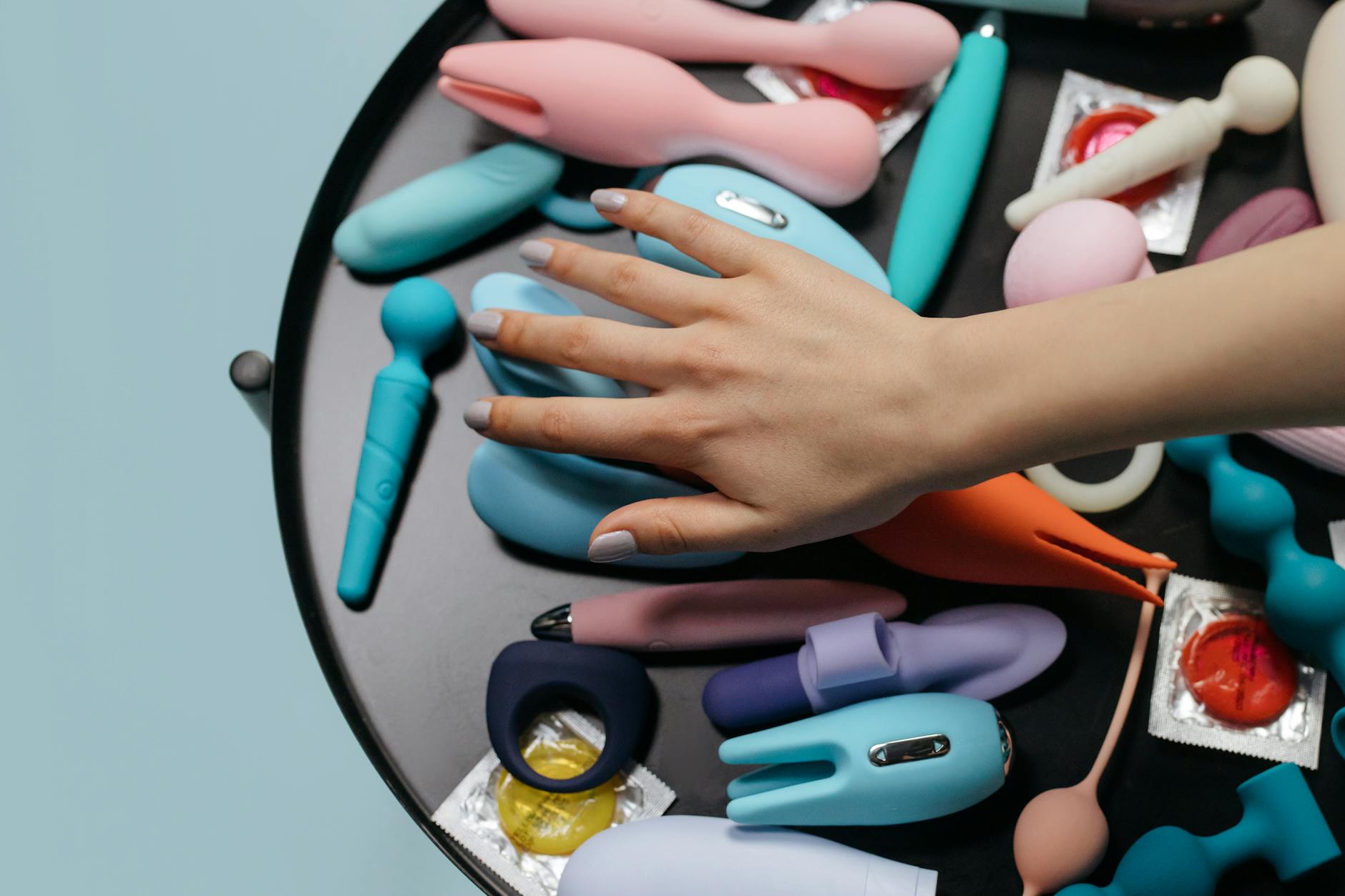
Photo by cottonbro studio on Pexels
Setting up your environment to prevent mind-wandering
Distraction starts before you even touch yourself. Your surroundings matter more than you think.
Kill the obvious distractions first. Phone in another room. Not silenced. Gone. Not "in a drawer." Actually out of reach. Your brain will manufacture reasons to check it if it's anywhere nearby. Don't trust yourself.
Lock the door. I don't care if you live alone. The possibility of interruption creates background anxiety that splits your attention. A locked door eliminates that shadow threat.
Pick a specific time and place. Not just "sometime today." I mean Thursday at 8 p.m., on the bed, for 20 minutes. Ritual and routine actually help attention, not hinder it. Your brain settles faster when there's a pattern.
Warmth and comfort matter. If you're cold, uncomfortable, or positioned awkwardly, part of your attention is always on the physical discomfort. Good pillows, a blanket, ambient temperature you like. These aren't luxuries. They're attention infrastructure.
The pre-pleasure breathing and grounding ritual
Before you even pick up your lemon clitoral vibrator, do this: spend two minutes on what I call an "arrival practice."
Lie down. Notice five things you can see without moving your head. Then four things you can physically feel (the bed under you, air on your skin, temperature). Then three things you can hear. This isn't a meditation app thing. It's literally pulling your attention out of your brain and into your senses. It's grounding.
Then, take five conscious breaths. Not deep yoga breaths. Just slightly slower and more deliberate than normal. Your breath is the fastest way to shift your nervous system from scattered to present.
Now you pick up the toy. Your baseline attention is already higher.
The pattern-shift technique for mid-drift re-entry
You're using your Lem, sensation is building, and then your brain hijacks you with a random thought about a conversation you had three days ago. Here's what to do when you notice it:
Don't panic or judge yourself. The noticing itself is the win. You caught the drift.
Shift the pattern. If you're on pattern 3, move to pattern 5. If you're stationary, change the angle slightly. This creates a novelty bump that snaps your attention back to the physical. Your body will respond to the change, and that response pulls you into the present.
Name it internally. Instead of "I'm so distracted, this sucks," literally say in your head: "Pattern shift." It's a tiny reset cue. It works better than you'd think.
Repeat as needed. You might shift patterns five times in one session. That's fine. That's not a failure. That's your brain and body learning to talk to each other.
The role of fantasy and active mental engagement
Here's something that feels counterintuitive: sometimes the cure for distraction isn't mental emptiness. It's focused mental engagement.
If your mind is wandering between nothing in particular, that's harder to stop. If your mind is tracking a specific fantasy or scenario, you have something to anchor to. The distraction competes with the fantasy rather than replacing it.
You don't need a elaborate narrative. Even "I'm feeling exactly how good this sensation is" or thinking through specific sensations as they happen counts as active mental engagement. The point is that your mind isn't idle.
For some people, external input helps. An audio track, erotica, or a specific fantasy on loop. For others, internal attention (really noticing the sensations, the rhythm, what your body is doing) works better. Test both. See what keeps your mind from wandering.
When distraction signals something deeper
Occasionally, persistent distraction during solo time points to something beyond scattered attention. If you find you cannot focus no matter how much you set up your environment, there might be underlying anxiety, pressure you're putting on yourself, or a genuine mismatch between what you think you should want and what your body actually wants.
Some people find that solo pleasure feels selfish or indulgent. Others have internalized the idea that if it's not leading to orgasm, it's a waste of time. Some experience performance pressure even when alone, which creates the exact conditions for distraction.
If that's you, reframe the session. You're not trying to "finish." You're practicing presence. You're learning what your body likes. The lemon clitoral vibrator is a tool for that learning, not a performance metric.
If the distraction is paired with low desire, persistent numbness, or depression, that's a conversation for a therapist or doctor, not a toy adjustment. Presence work is useful, but it's not a substitute for addressing what's underneath.
The finishing-strong move
Once you've built momentum and you're genuinely present, don't second-guess it. When sensation starts to peak, stay with it. The impulse to check in mentally ("Is this working? Am I close?") is a distraction landmine.
Instead, if you notice yourself asking those questions, anchor back to one thing: what does the sensation feel like right now? Not "Will I come?" Just "What is my body experiencing in this moment?"
Then keep going. Trust the build. Your lemon sexual toy is doing what it's designed to do. Your job is just to stay put.
FAQ
Why do I get more distracted with solo pleasure than with a partner?
With a partner, there's external stimulus and responsiveness creating momentum. Alone, you have to generate and maintain all the focus yourself. If your baseline attention is scattered (thanks, modern life), solo time requires more deliberate mental infrastructure. The good news is that this is a skill you can build, not a personal failing.
Does the lemon clitoral vibrator actually help with focus more than other toys?
The suction-based design creates noticeable sensation shifts that interrupt mind-wandering more effectively than constant vibration. Plus, the pattern options let you use "switching patterns" as an active reset when you drift. That said, any tool works better with intentional presence practice.
What if I try all this and still can't focus?
Some people benefit from external input: audio erotica, a specific fantasy, or even a simple timer (knowing you have exactly 20 minutes removes the pressure of "when should I stop?"). Others find that scheduled solo time, same day and time each week, trains the brain to settle faster. If nothing shifts, see a therapist or sex educator. Sometimes distraction points to deeper stuff that deserves professional attention.
Is it normal to need fantasy or external content to stay focused?
Completely. Your brain isn't wired to find stimulation in a blank space. Fantasy, audio, or erotica isn't a "cheat." It's using tools that help your mind stay engaged. Use whatever works.
How long should a solo session be if I'm working on presence?
Start with 15 to 20 minutes. Long enough to build genuine momentum, short enough that you're not fighting distraction for an hour. As your focus improves, time becomes less relevant. You'll naturally get longer and deeper with your lemon adult toy.
What if distraction is tied to guilt or shame about solo pleasure?
That's a different problem than attention. You might find it helpful to read about how to use a lemon vibrator when you feel disconnected from your body after trauma, which addresses some of the mental blocks that show up as surface-level distraction. Or reach out. We can talk through what's underneath.
You're not broken, you're just distracted
Scattered attention during solo time isn't a character flaw. It's a signal that you need to build a different kind of focus. The lemon vibrator is a tool. The ritual, the environment, the practice of noticing when you drift and gently coming back, that's the real work.
Start with the environment. Add the breathing. Then let the Lem do what it does best. Stay patient with yourself. Your capacity for presence improves with practice, and the payoff is always worth the effort.
Ready to deepen your solo practice? Get in touch if you want to talk through what might be keeping you distracted.